
Change is always happening, and keeping up with it means learning all the time. It might surprise you, but a study says that by 2030, 85% of jobs will be new to us. Crazy, right? This just shows how important it is to keep learning and adapting. But with busy lives and tech moving so fast, how do we fit in lifelong learning? Here, we'll talk about why a growth mindset is helpful and share some real tips for setting learning goals, using new tech, and creating a supportive space for learning. Whether you're a pro or just starting out, this guide has the tools and insights to help you thrive. Let’s see how you can make lifelong learning a natural part of your daily routine!
Cultivating a Growth Mindset for Lifelong Learning
Importance of Growth Mindset in Lifelong Learning
A growth mindset is about believing that you can get smarter and better over time. It's not about being stuck with what you've got. This mindset helps you see challenges and failures as chances to learn and grow. It makes you tougher and more adaptable.
If you're persistent, optimistic, curious, and open to feedback, you're on the right track. Having a growth mindset boosts your confidence, motivation, creativity, and willingness to take risks. It's key for personal and professional success. Plus, it keeps you learning all your life by pushing you to keep trying and acting deliberately. It even helps your mental health by making you see challenges as motivation.

Effective Strategies for Lifelong Learning
Embrace Challenges for Continuous Growth
To build a growth mindset, take on challenges and see setbacks as chances to learn, not failures. Try new things that push you out of your comfort zone. This will sharpen your problem-solving skills and boost your confidence.
Use Criticism as a Learning Tool
Be open to feedback and use it to improve your skills and knowledge. Instead of taking criticism to heart, look at it objectively to find ways to get better. This turns feedback into a great learning tool.
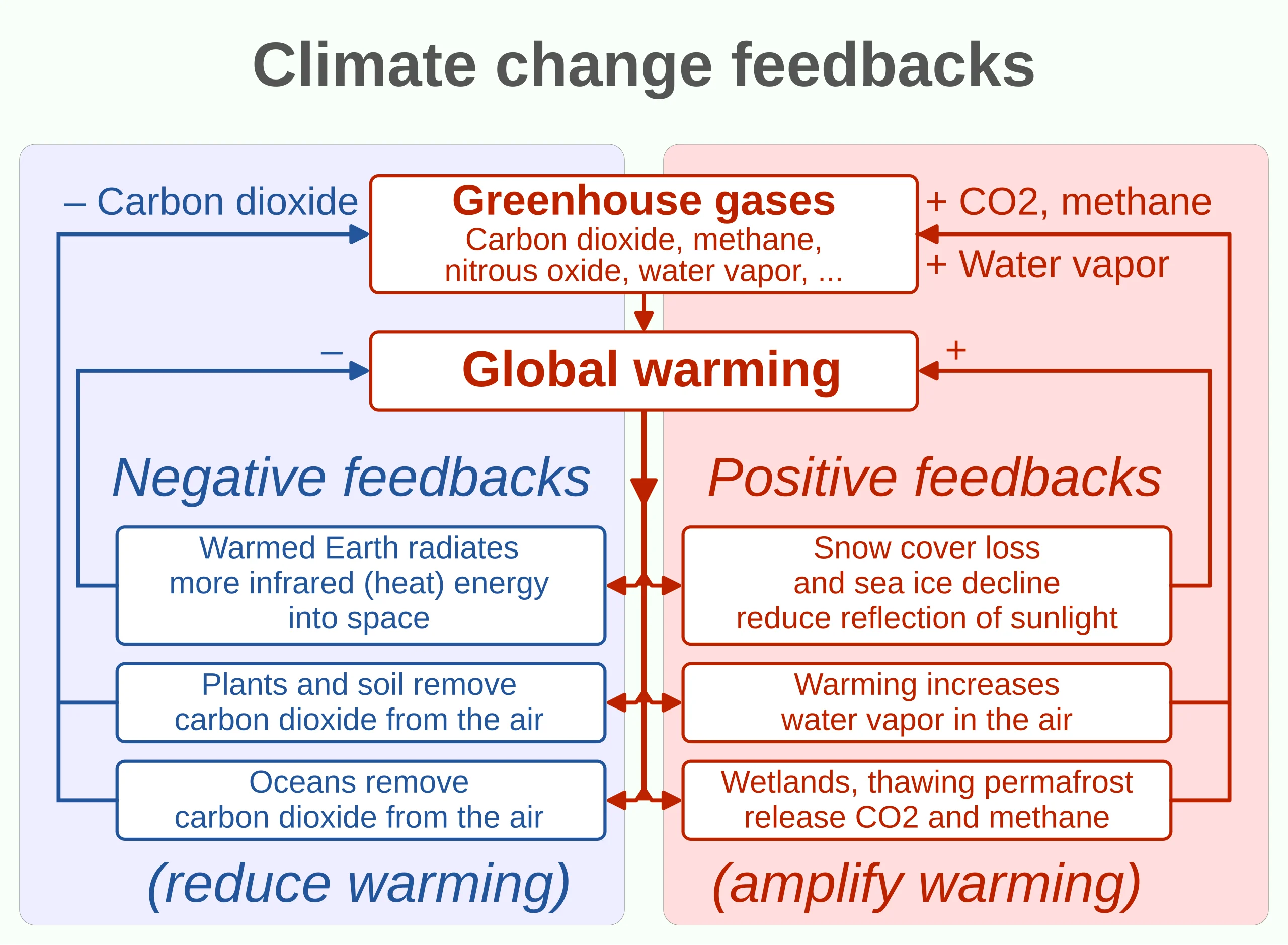
Value Effort in Lifelong Learning
Appreciate the hard work you put into tasks, no matter how they turn out. This reinforces the importance of persistence and hard work. Focus on learning, not just the final outcome. Stay curious and try new things to build resilience and confidence.
Step-by-Step: Setting Clear Learning Goals for Lifelong Learning
Define SMART Learning Goals for Lifelong Learning
When setting learning goals, employing the SMART criteria is crucial. This means your goals should be:
- Specific
- Measurable
- Achievable
- Relevant
- Time-bound
Using this approach keeps your objectives clear and focused for both you and your instructor. For instance, a SMART goal might be: "By the end of this course, you'll be able to use Microsoft Excel to create pivot tables that summarize data accurately and efficiently." This goal is specific to Excel pivot tables, measurable by your ability to create them, achievable within the course, relevant to data analysis, and time-bound by the course's end.
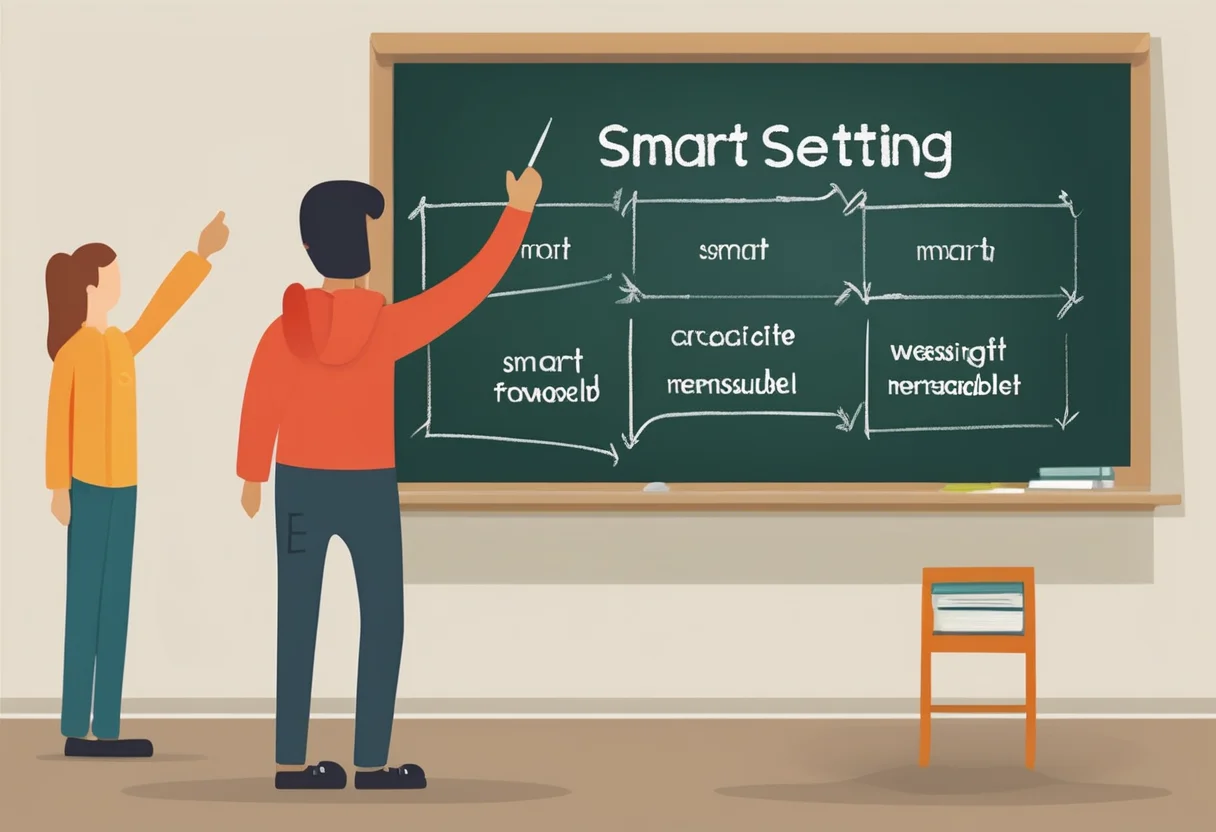
The SMART framework makes goals clearer and more achievable, motivating you and aiding in your progress. Breaking down larger goals into smaller tasks helps you steadily move towards your objectives. Learn more about SMART criteria.
Use Action-Oriented Verbs in Lifelong Learning Goals
Start your learning objectives with action verbs like "create," "solve," or "communicate." This strategy clearly defines what you should be able to do after training, providing both direction and motivation. Instead of saying "understand data analysis," try "analyze data sets using Python to draw meaningful conclusions." This clarifies what is expected and sets a clear expectation for the activity.
Avoid vague verbs like "understand" or "know" as they are hard to measure and do not clearly convey expectations. Using clear verbs makes goals actionable and measurable. Explore action-oriented verbs.
Align Lifelong Learning Goals with Assessments
For learning goals to be effective, align them with assessments and teaching strategies. This ensures coherence and effectiveness. For example, if the goal is to "analyze data trends," assessments should include data interpretation tasks, and teaching should focus on data analysis techniques.
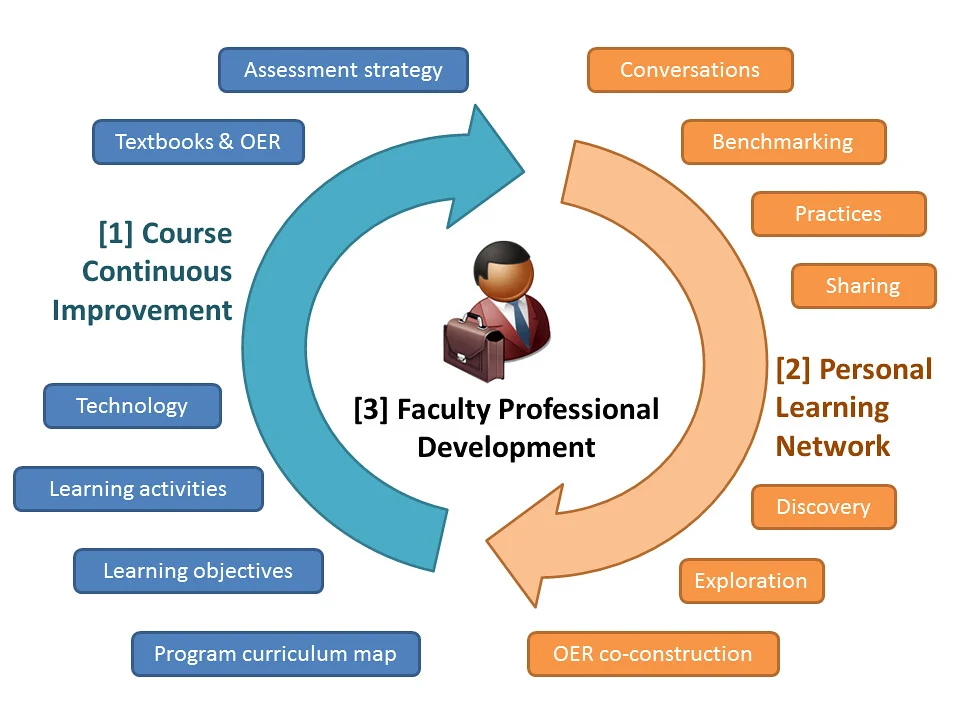
Preparing assessments with the goals in mind helps in selecting flexible methods and materials that support learning objectives. This alignment ensures the assessment reflects the learning outcomes and offers a way to measure success. Read more about aligning learning goals.
Apply Bloom’s Taxonomy for Lifelong Learning
Bloom’s Taxonomy categorizes learning outcomes from basic skills like remembering to advanced skills like creating. Designing goals that cover multiple levels promotes deeper learning. For instance, a goal might be: "Evaluate different renewable energy sources and create a proposal recommending the best option for a community project." This approach ensures well-rounded cognitive skill development, encouraging higher-order thinking. Discover more about Bloom's Taxonomy.
Provide Context and Relevance in Lifelong Learning
Learning objectives should demonstrate why a skill or concept is important for your job or future goals. This context is crucial for maintaining engagement. Explaining the practical application helps you see the value in achieving the goals. For example, mastering Excel pivot tables will help you summarize and analyze business data, boosting decision-making skills. With this context, you're more likely to stay motivated and committed. Understand the importance of context in learning.
Write Clear Learning Goals for Different Ages
Use language that's easy to understand and fits the learner's age and background. For younger learners, keep it simple, like "draw a picture of your favorite animal." For adults, you can use more complex language, like "develop a comprehensive business plan for a startup." Clear, age-appropriate language ensures everyone understands their objectives and what's expected. Explore tips for developing learning goals.
Communicate Lifelong Learning Goals Clearly
Begin a course by sharing learning goals and revisit them regularly. This helps you understand expectations and track progress. Start each lesson by stating objectives and review them weekly to maintain focus and motivation. Regularly revisiting goals during lessons boosts achievement by clarifying what you're learning, why, and how to know when you've succeeded. Ongoing communication keeps you aligned with your goals and aids in tracking achievements over time. Learn about sharing clear learning goals.
Involve Learners in Lifelong Goal Setting
Involving learners in goal-setting fosters ownership and motivation. Invite them to set personal milestones that align with course objectives, like mastering a skill by a certain date. This involvement makes goals meaningful and relevant. Read about involving learners in goal setting.
Define Success Criteria for Lifelong Learning Goals
Define and share clear success criteria so learners know what evidence is needed to meet goals and how achievement will be measured. For a writing goal, success criteria might include clarity, grammar accuracy, and topic adherence as assessed by a rubric. Clearly defining success criteria helps learners understand what they need to achieve their goals. Sharing these criteria provides a clear understanding of expectations and helps focus efforts on meeting goals. Explore success criteria linked to goals.
Track and Document Lifelong Learning Goals
Keep track of learning goals and regularly assess progress to support reflection and self-assessment, enhancing lifelong learning. Use digital portfolios or journals where learners document goals, progress, and reflections. Regular assessments highlight areas for improvement and celebrate achievements, keeping motivation high. Reflecting on progress helps adjust strategies and stay motivated. Self-assessment fosters autonomy and helps develop critical thinking and self-regulation skills, essential for lifelong learning. Learn about documenting and tracking learning goals.
Identifying Personal and Professional Lifelong Learning Objectives
Identifying personal and professional learning objectives is a key step in setting clear goals. Personal objectives might include developing a new hobby or improving a life skill, like "learn to play the guitar" or "enhance time management skills." Professional objectives focus on career advancement, like "earn a certification in project management" or "develop expertise in digital marketing."
Consider long-term aspirations and skills needed to achieve them. Reflect on strengths and areas for improvement, and seek feedback from peers, mentors, or supervisors for insights. This ensures learning objectives align with personal and professional growth goals.
Create an Actionable Plan for Lifelong Learning
Once you've identified your learning objectives, the next step is to create an actionable plan. Outline specific steps to achieve your goals, including resources, timelines, and milestones. Break down each goal into smaller tasks, like "complete a beginner's guitar course" or "attend a digital marketing workshop."
Identify needed resources, such as books, online courses, or mentors, and schedule time for these activities. Set realistic timelines, considering other commitments. Establish milestones to track progress and celebrate achievements. An actionable plan provides a clear roadmap for achieving goals and helps you stay organized and motivated. Regularly review and update your plan to reflect changes in objectives or circumstances, keeping you on track for lifelong learning aspirations.
Leveraging Technology and AI for Lifelong Learning
AI-Powered Learning Tools for Lifelong Learning
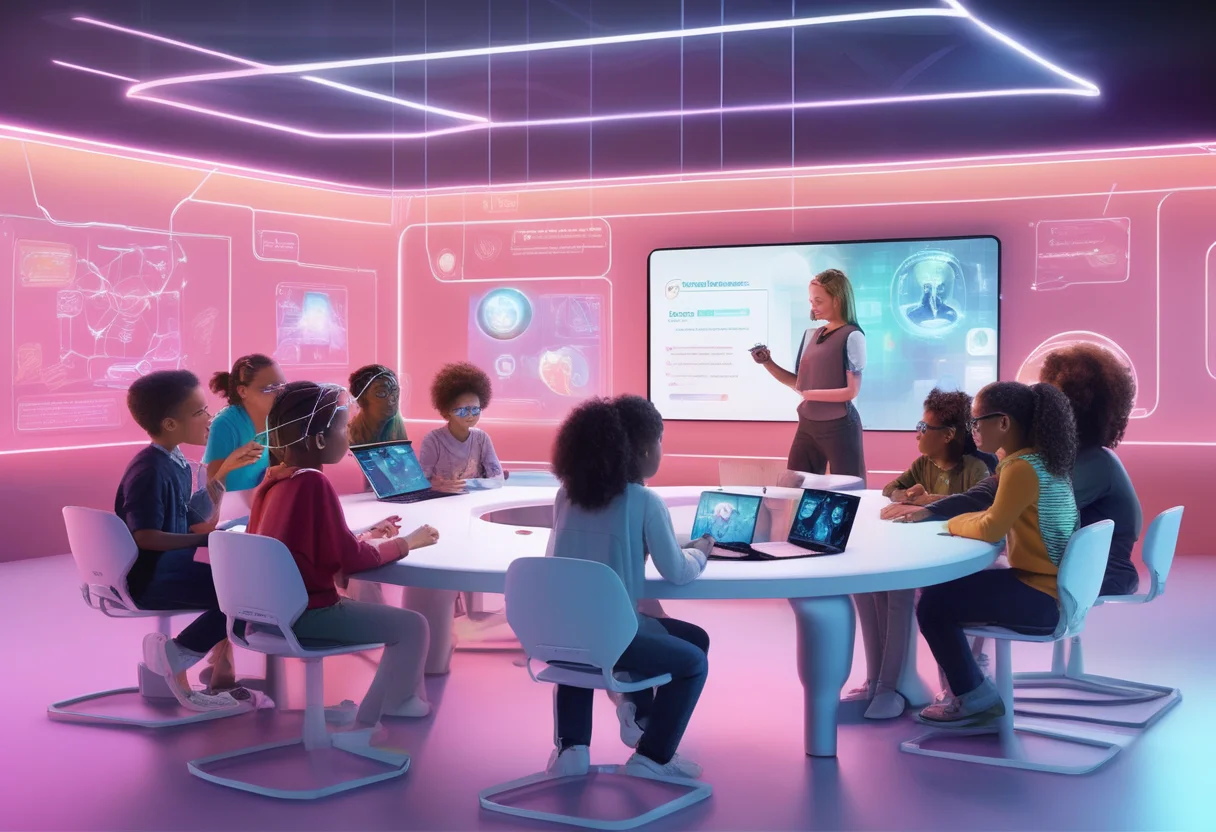
AI-powered tools are revolutionizing education by making learning more personalized and engaging. Here’s how:
-
Adaptive Learning Platforms: These platforms leverage AI to analyze student performance and customize educational materials to meet individual needs, enhancing engagement and improving outcomes.
-
AI and Virtual Reality (VR): By integrating AI with VR, students can immerse themselves in interactive environments, which is particularly beneficial for subjects like science.
-
Automated Grading: AI provides instant feedback, reducing the grading workload for teachers and ensuring consistent and fair assessments.
-
Intelligent Tutoring Systems (ITS): ITS offer personalized assistance by adapting lessons based on a student’s strengths and areas needing improvement.
-
Lifelong Learning Support: AI suggests resources aligned with career goals and promotes inclusivity in education through tools like speech recognition.
Daily Learning Routines Enhanced by Technology
Incorporating AI into daily learning routines enhances efficiency and effectiveness:
-
Predictive Analytics: AI-driven analytics can predict student performance and recommend study paths that maintain engagement and ensure progress.
-
AI Frameworks for Education: Tools such as the AI for Teaching & Learning Framework on AWS streamline educational tasks, allowing educators to dedicate more time to student interaction.
-
Classroom Management: AI tools make managing classrooms more dynamic by monitoring and rewarding positive behavior.
-
AI-Powered Feedback: Real-time feedback powered by AI helps learners identify their strengths and areas for improvement, boosting motivation and enhancing performance.
Practical Strategies for Lifelong Learning
Diverse Methods for Lifelong Learning
Learning is a lifelong journey with numerous paths to explore. You can choose formal routes such as courses and workshops, or embrace experiential learning through projects at work. Engaging in mentoring and collaborating to solve problems with others offers a rich opportunity to acquire new skills.
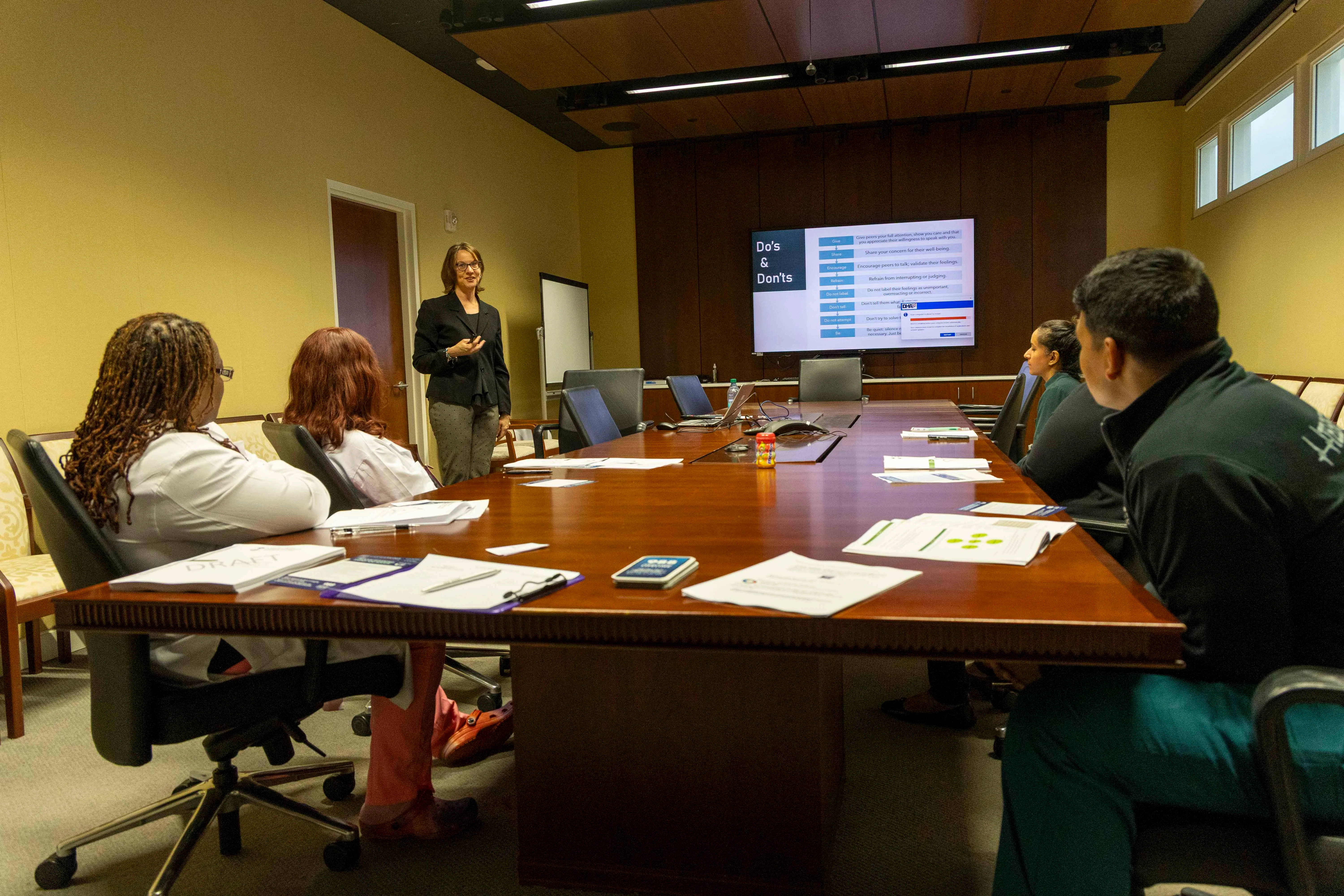
For those who prefer an independent approach, diving into research and self-practice can be highly beneficial. Collaborating in groups can deepen your understanding, while a blend of online and face-to-face learning keeps the experience dynamic. Platforms like Coursera, Udemy, and LinkedIn Learning provide a wealth of content tailored to various learning styles.
Scheduling for Lifelong Learning Success
To ensure consistent progress, it's essential to set SMART goals. Even dedicating just an hour a week can yield significant benefits. Techniques such as time-blocking or the Pomodoro technique can help manage your time effectively.
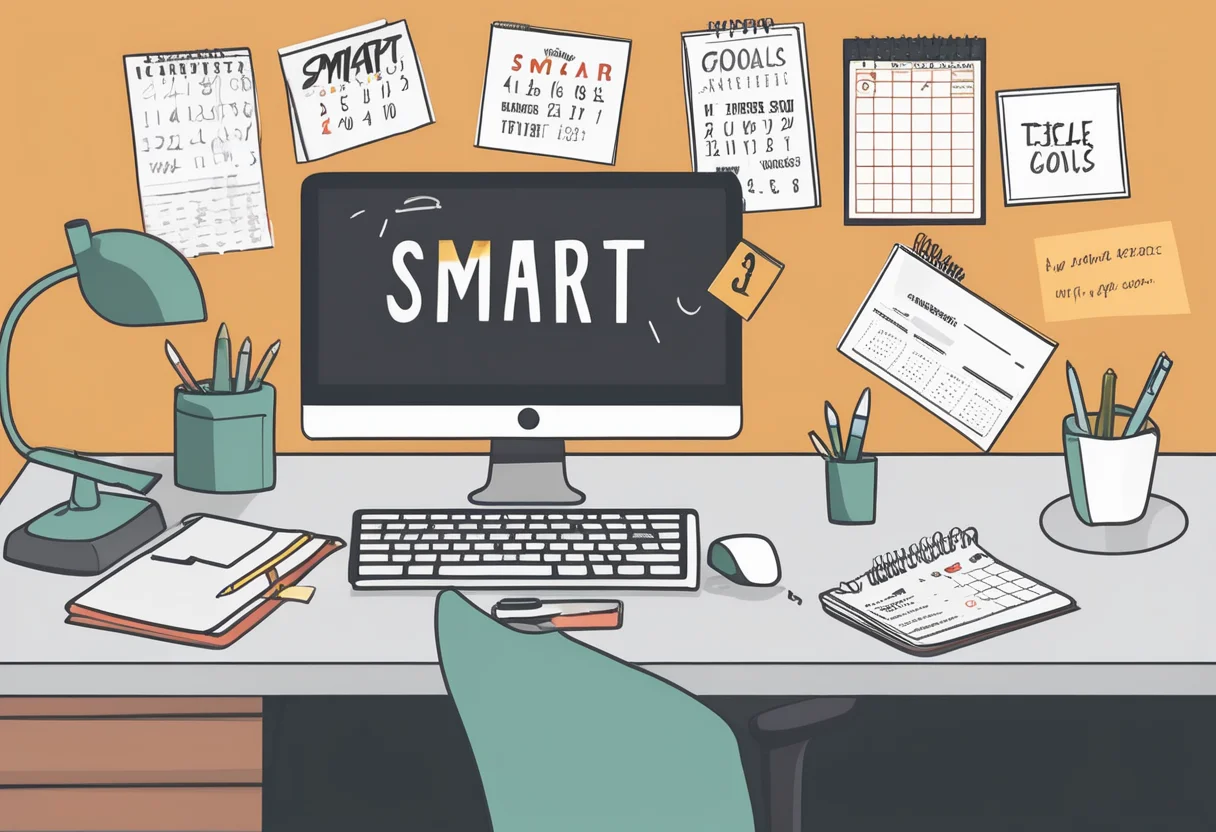
Integrate learning into your daily routine and utilize short, focused sprints to enhance retention. Engage in active learning by testing yourself and reflecting on acquired knowledge to boost comprehension. Joining networks or study groups can sustain motivation, and being mindful of your learning process allows for strategic adaptations.
Reflection and Feedback in the Lifelong Learning Process
The Role of Self-Assessment in Lifelong Learning
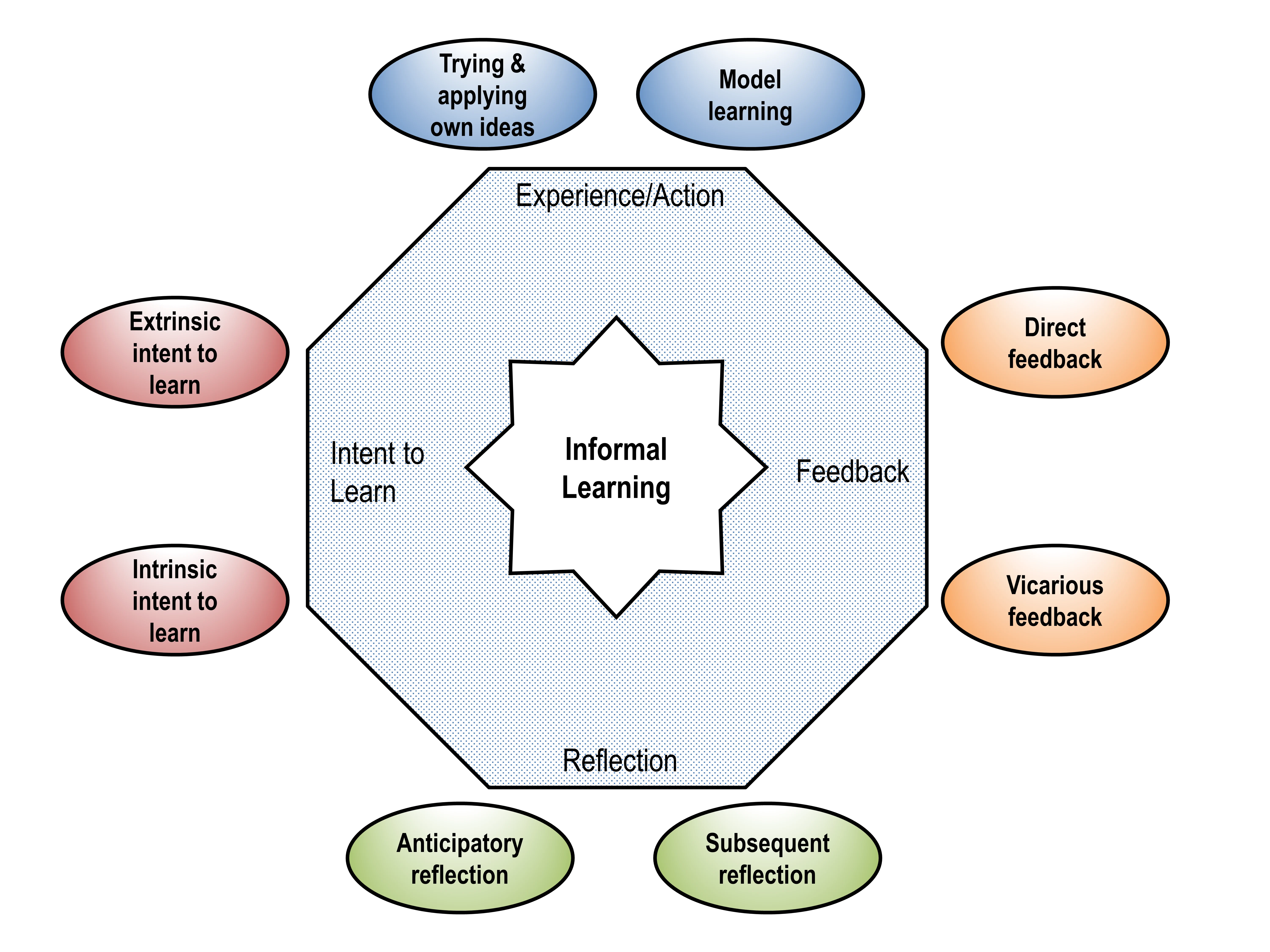
Thinking about your own learning is key to growing as a professional. It helps you stay open to learning new things and makes you better at what you do. When you connect what you learn with real-life experiences, it makes learning more meaningful.
Taking time to assess yourself helps you understand your strengths and where you need to improve. This self-awareness lets you take charge of your learning journey. Knowing how you think, or metacognition, is a big part of this. It helps you plan, watch, and tweak how you learn.
For instance, a teacher might look back on a lesson to see what worked and what didn’t, which can lead to better teaching and more engaged students.
The Value of Feedback in Lifelong Learning
Mixing your own reflections with feedback from others is a great way to learn. When someone gives you honest feedback, it helps you see what you're doing well and what could use some work. Getting input from experts can really clarify what success looks like.
Encouraging students to speak up and share their thoughts builds their confidence and resilience. In fields like clinical education, pairing students for practice and giving them structured feedback helps them think about their performance and grow their skills in both self-assessment and accepting feedback.
For further reading, explore these resources:
- Self-reflection in teaching
- Feedback in education
- Role of feedback in learning
- Feedback and learning
Building a Supportive Learning Environment for Lifelong Learning
Fostering Continuous Improvement for Lifelong Learners
To build a supportive learning environment, it’s key to nurture strong, trusting relationships among students, teachers, and families. This boosts engagement and motivation.
- Collaboration and Active Listening: When students collaborate and practice skills like active listening, they learn more deeply.
- Flexible Classrooms: Classrooms that are flexible, allowing for movement and different teaching styles, keep minds engaged.
- Social-Emotional Learning (SEL): Incorporating SEL into everyday activities helps students become more self-aware and resilient.
- Growth-Focused Feedback: Feedback should focus on growth, not just results, to encourage ongoing improvement.
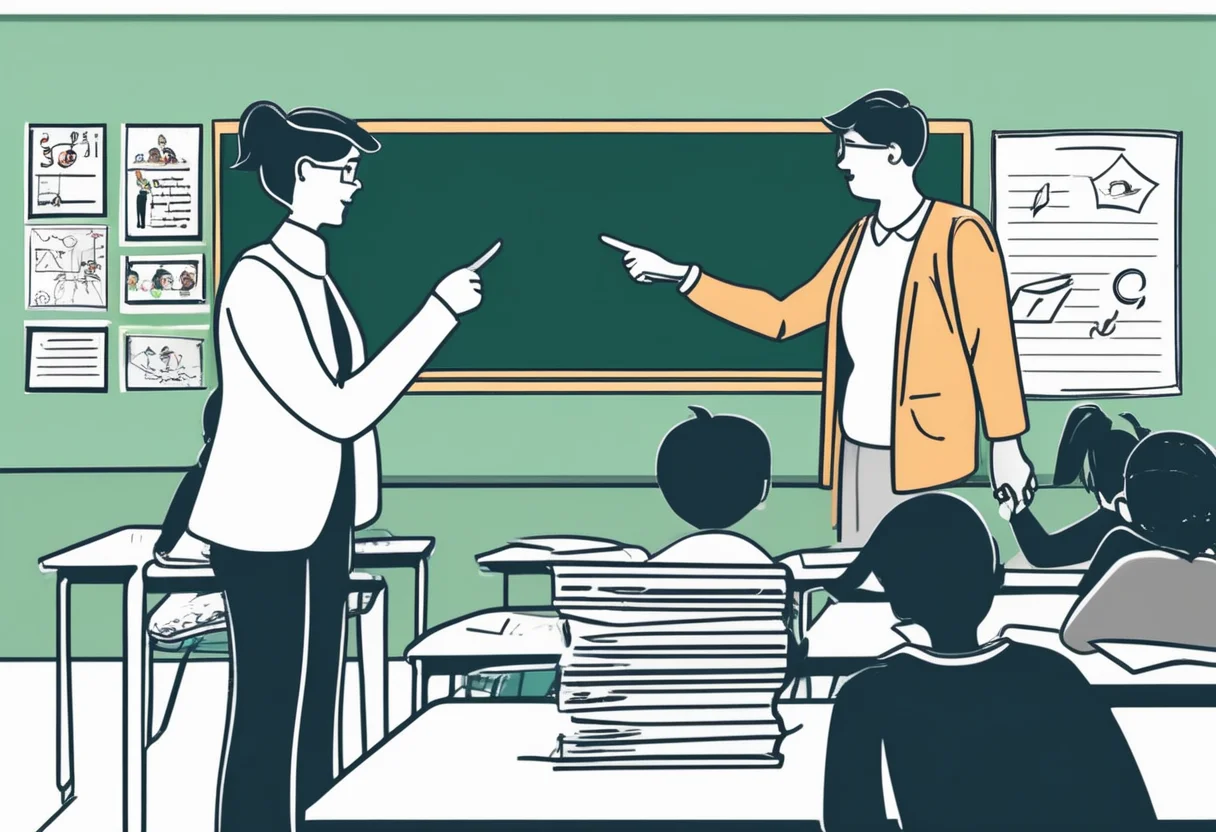
When classrooms are collaborative, with positive relationships and leadership roles, students feel more confident and like they belong. Learn more about this approach.
Enhancing Cross-Generational Learning and Mentoring
Building positive, approachable relationships helps students feel connected and supported, which is crucial for mentoring.
- Safe and Flexible Spaces: Spaces that are safe and flexible, with comfy seating, allow everyone to engage fully, no matter their age.
- Ownership and Responsibility: When learners help set up their environment, they feel more ownership and responsibility—important in cross-generational mentoring.
- Leadership Opportunities: Giving leadership opportunities to experienced learners lets them mentor others, boosting their confidence.
- Supportive Activities: Activities like reflection journals, peer feedback, and working together support ongoing learning and help build relationships.
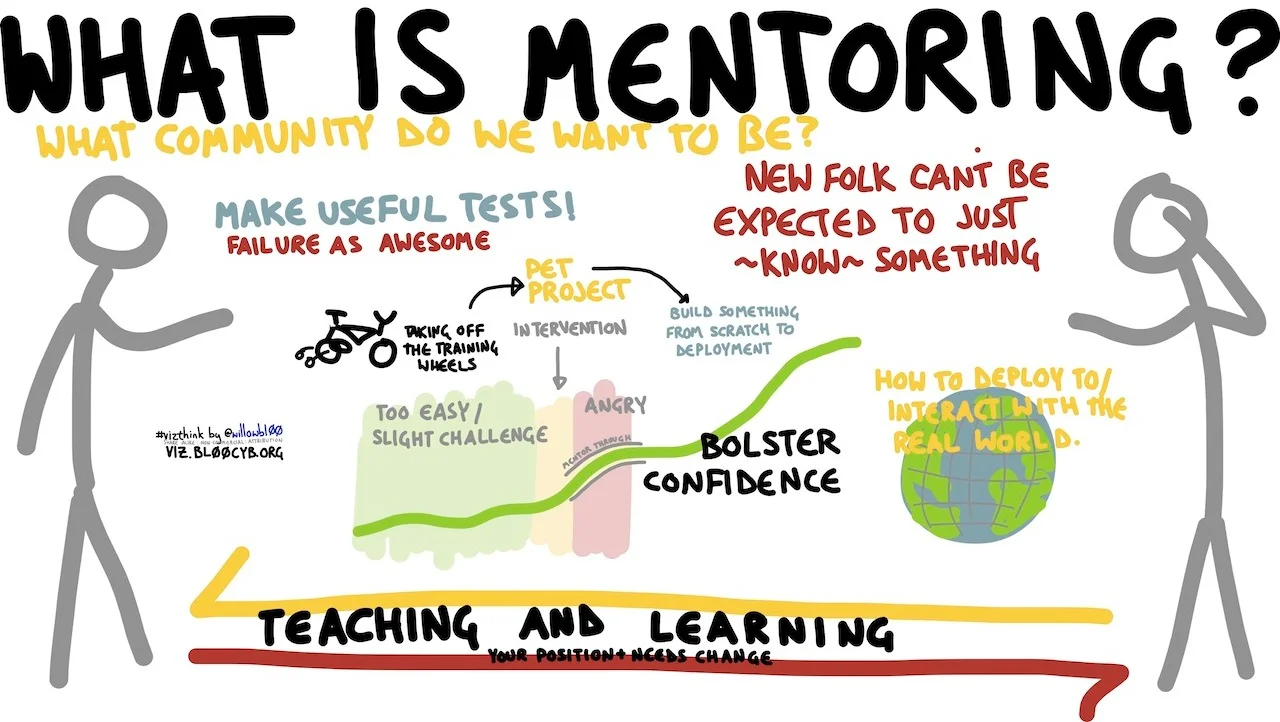
These elements are essential for fostering a nurturing and effective learning environment. Explore more insights here.
FAQs on Embracing Lifelong Learning
Integrating Lifelong Learning into a Busy Schedule
Fitting lifelong learning into a busy life is possible with a few simple tweaks:
- Set Aside Regular Time Slots: Dedicate small, consistent time slots for self-study or online courses to maintain regularity.
- Leverage Mobile Learning Apps: Use mobile apps and online platforms to learn anytime, anywhere, without disrupting your routine.
- Choose Relevant Topics: Pick subjects that interest you or relate to your job to stay motivated.
- Set Achievable Goals: Establish small, attainable goals to avoid feeling overwhelmed and to track your progress.
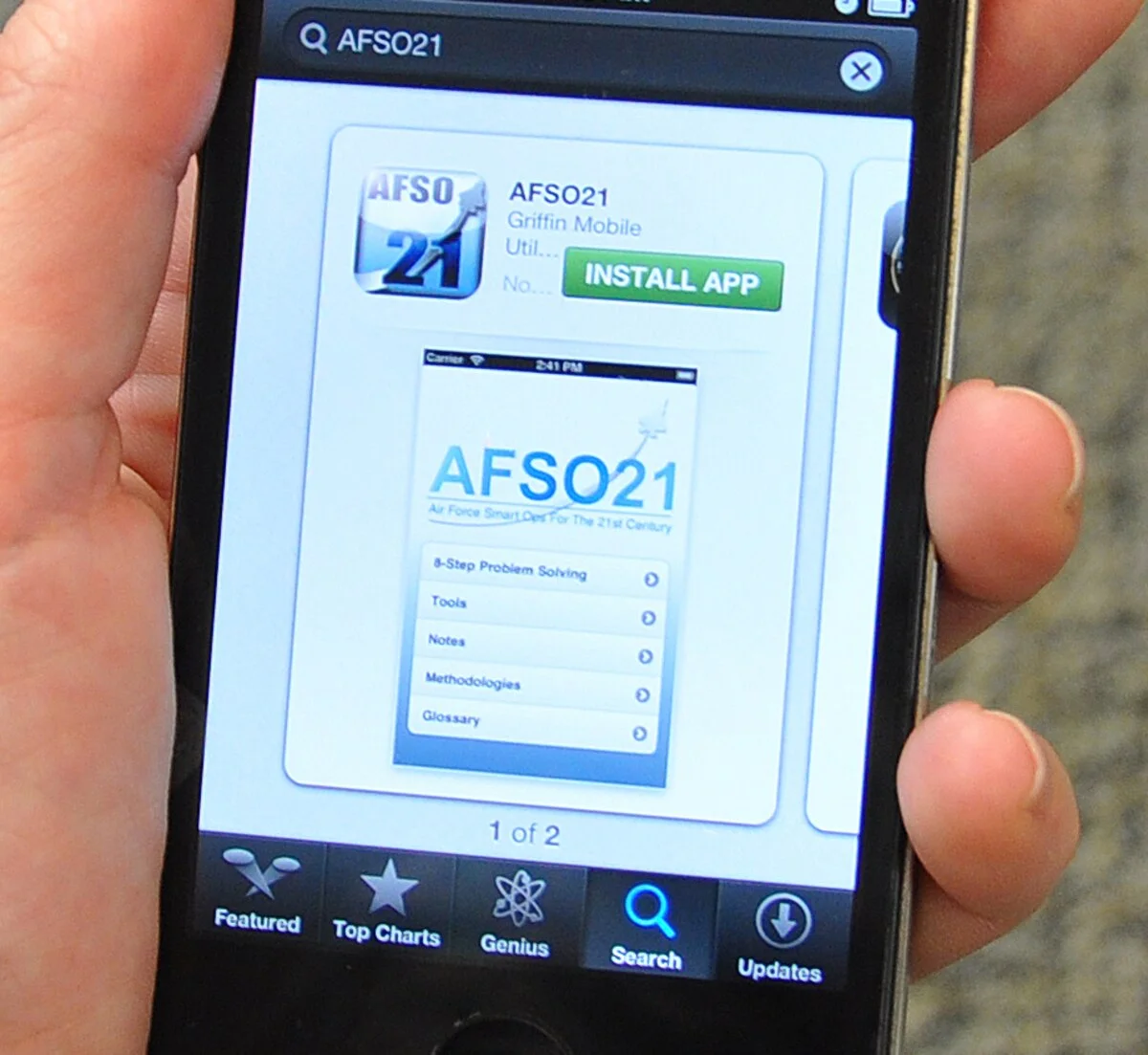
For example, you could spend 15 minutes each morning on an online course or use a mobile app during your commute.
Benefits of Setting Clear Learning Goals
Clear learning goals are essential for maintaining focus and motivation:
- Track Progress: Goals help you monitor progress and celebrate achievements, boosting your confidence.
- Highlight Skills Needed: They emphasize the skills or knowledge required, making learning more efficient and relevant.
- Encourage Self-Motivation: The satisfaction of achieving goals fosters self-motivation.

For instance, aiming to complete a certification in three months can keep your motivation and focus sharp.
Technology's Impact on Lifelong Learning
Technology plays a pivotal role in making learning both flexible and accessible:
- Flexible Learning: Online courses, mobile apps, and digital libraries allow you to learn anytime, anywhere.
- Personalized Experiences: Tailored learning experiences keep you engaged by aligning with your interests, pace, and skill level.
- Global Connectivity: Connect with peers and experts worldwide, broadening your learning horizons.
- Progress Tracking: Technology aids in tracking your progress and goals, maintaining motivation and continuous improvement.
Utilizing technology for learning also builds adaptability, essential for navigating future changes. For more insights, visit online courses.