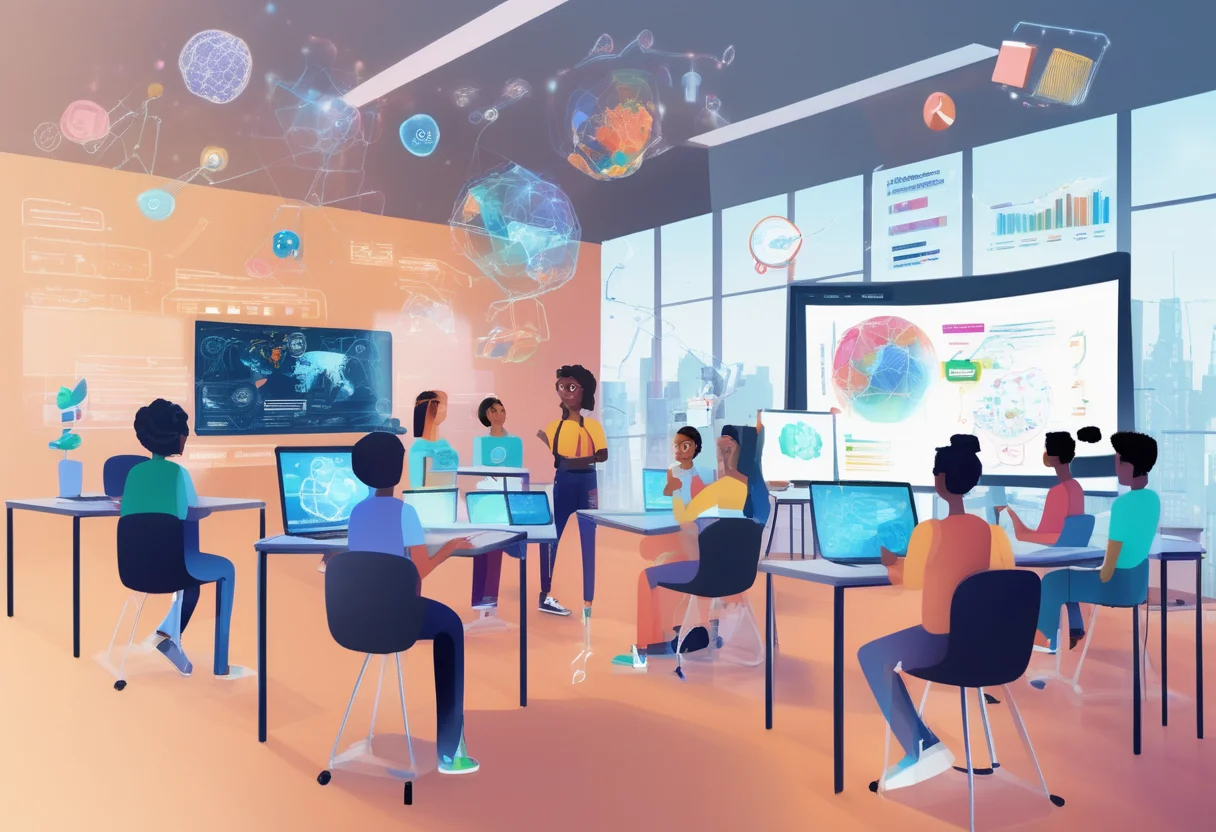
AI isn't just a thing of the future anymore; it's changing how we approach learning and development right now. Almost half of the companies out there—47% to be exact—are using AI to boost their L&D programs. That's a big deal. We're right in the middle of a tech shift, and AI is making a real difference. It's helping create personalized learning paths, making admin work easier, and even predicting what skills employees might need next. So, what does this mean for L&D going forward? How do we use AI in a way that's fair and open to everyone? Let's look into how AI is changing things, how it fits with what the workforce needs, and how you can keep your L&D strategies up-to-date in this fast-changing world. Whether you're deep into HR or just curious, there's a lot to learn and think about here.
Summary: Dieser Artikel beschreibt die transformative Rolle von KI in Lern- und Entwicklungsstrategien und deren Integration in die Bedürfnisse der Arbeitskräfte, unter Berücksichtigung ethischer und integrativer Aspekte zur Zukunftssicherung.
Understanding AI in Learning and Development Strategies
AI's Impact on Learning and Development Strategies
AI is transforming the landscape of Learning and Development (L&D) by making learning experiences more personalized and engaging. With AI, training paths can be tailored to individual learners, enhancing both engagement and retention. AI-driven platforms dynamically adjust content in real-time based on performance, preferences, and behavior.
Generative AI plays a crucial role in this transformation by creating customized content such as tests, simulations, and feedback that align with the learner's progress. It also aids in skill management by integrating skills into employee profiles, simplifying tracking and development. Moreover, AI's predictive analytics identify skill gaps proactively, allowing companies to plan training that aligns with their strategic goals.
Key Trends in AI-Driven Learning and Development Strategies
Personalized AI-Powered Learning Experiences
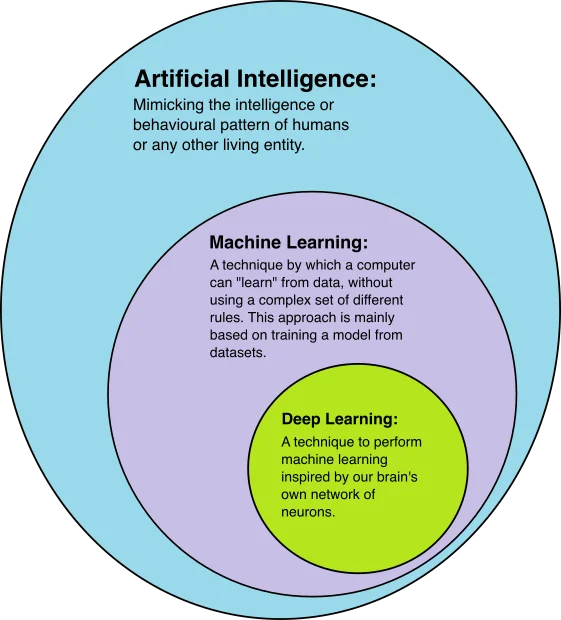
AI personalizes learning by analyzing data to tailor the content to the learner's style and progress. This customization enhances engagement and improves retention. Notably, generative AI can accelerate learning by up to 40%, making the acquisition and retention of skills more efficient.
AI-Enhanced Intelligent Content Creation
AI tools streamline the creation of learning materials such as course outlines, scripts, videos, and quizzes. This efficiency allows for the rapid development of engaging content that meets diverse learning needs.
AI-Driven Data Insights for Learning
AI can process large datasets to provide insights into learning patterns and effectiveness. Predictive analytics can anticipate future learning needs, enabling proactive course adjustments and skill development. Real-time feedback highlights strengths, weaknesses, and areas for improvement.

AI in Continuous Learning and Development
AI facilitates continuous learning by providing access to courses and resources as needed. It recommends learning paths based on past activities and career objectives, fostering lifelong learning. Organizations are prioritizing the selection of suitable AI tools by engaging stakeholders, aligning with business objectives, testing solutions, and regularly evaluating their effectiveness.
Transformative Impacts of AI on Learning and Development Strategies
AI-Driven Hyper-Personalized Learning Paths
AI is revolutionizing the creation of hyper-personalized learning paths through the power of data analytics and machine learning. By analyzing an employee's role, skills, and career objectives, AI crafts custom training modules tailored to individual needs. This personalized approach enhances engagement and retention by adapting content to the learner's behavior and skills, ensuring relevance and utility.
Imagine an AI platform that evaluates an employee's skills and career aspirations, then curates a bespoke set of training modules. As the learner progresses, the platform dynamically adjusts content, maintaining a fresh and engaging learning experience.

This continuous alignment of content with learner growth makes employee development investments more efficient, ultimately leading to improved performance and satisfaction.
AI-Powered Accelerated Content Creation
AI significantly accelerates the creation and delivery of learning content. Modern AI tools can generate courses, case studies, and simulations at unprecedented speeds, transforming tasks that once took weeks or months into processes completed in mere hours or days. This rapid content creation is vital for organizations needing to adapt quickly to compliance changes or new product launches, ensuring training materials remain relevant and up-to-date.
Generative AI further enhances this by producing content in multiple languages and formats, making it accessible and effective for a diverse workforce. For example, an L&D team can leverage AI to swiftly develop a new compliance training module following regulatory updates, thereby reducing manual effort.

This capability allows organizations to stay aligned with evolving business needs.
Enhancing Training Efficiency and Scalability with AI
AI is instrumental in enhancing the efficiency and scalability of training programs. By automating tasks such as content curation, assessments, and administrative duties, AI frees learning professionals to concentrate on strategic and creative endeavors. AI-driven learning analytics offer real-time insights into employee progress, engagement, and skill gaps, facilitating data-driven optimization of training programs.
Moreover, AI reduces costs by automating training delivery and promoting self-paced learning. It minimizes productivity loss and fosters continuous learning through just-in-time resources, microlearning, and personalized coaching. The integration of AI enables agile L&D departments that can swiftly adapt to business changes while maintaining a learner-focused content strategy.
The synergy between human expertise and AI efficiency lays a robust foundation for learning and development. AI identifies skill gaps and recommends targeted microlearning modules, allowing L&D staff to focus on designing innovative leadership programs. This collaboration ensures the delivery of scalable, consistent, and high-quality training, regardless of learner location.
In summary, AI is transforming learning and development strategies by providing hyper-personalization, expediting content creation, and enhancing efficiency and scalability. These advancements enable organizations to deliver more relevant, engaging, and cost-effective training that aligns with evolving business objectives. For further insights into AI's impact on L&D, explore Cornerstone OnDemand and Korn Ferry.
AI-Driven Workforce Integration in Learning and Development Strategies
AI-Powered Upskilling and Reskilling Strategies
AI is revolutionizing the approach companies take towards upskilling and reskilling. By analyzing employees' skills through performance reviews and feedback, AI identifies strengths and areas for improvement. This enables the creation of personalized learning paths that accelerate skill development. These AI-driven paths enhance learning engagement by tailoring content to individual learning preferences, which also helps reduce dropout rates from training programs.
AI identifies skill gaps across the organization and recommends courses based on job roles and required skills, supporting both immediate job tasks and broader career growth, including digital skills. It also aids in career planning by using data to guide employees on the skills needed for advancement. To fully leverage AI in upskilling, companies must align it with their objectives, secure leadership support, and address challenges like data privacy and bias to ensure equitable learning opportunities.
Case Study: Salesforce
Salesforce exemplifies the use of AI in creating personalized learning paths for job-specific training. This approach allows managers to customize programs for individuals or teams, while employees can track their progress and receive AI-driven content suggestions.
Predictive Analytics in Learning and Development
AI-powered predictive analytics plays a crucial role in identifying skill gaps within a company. By employing predictive analytics, organizations can pinpoint training deficiencies and equip teams with the necessary skills to maximize AI and technology investments. Training informed by predictive analytics can result in a faster return on investment, improved employee engagement, and long-term success. Companies that provide comprehensive training often experience higher revenue per employee.
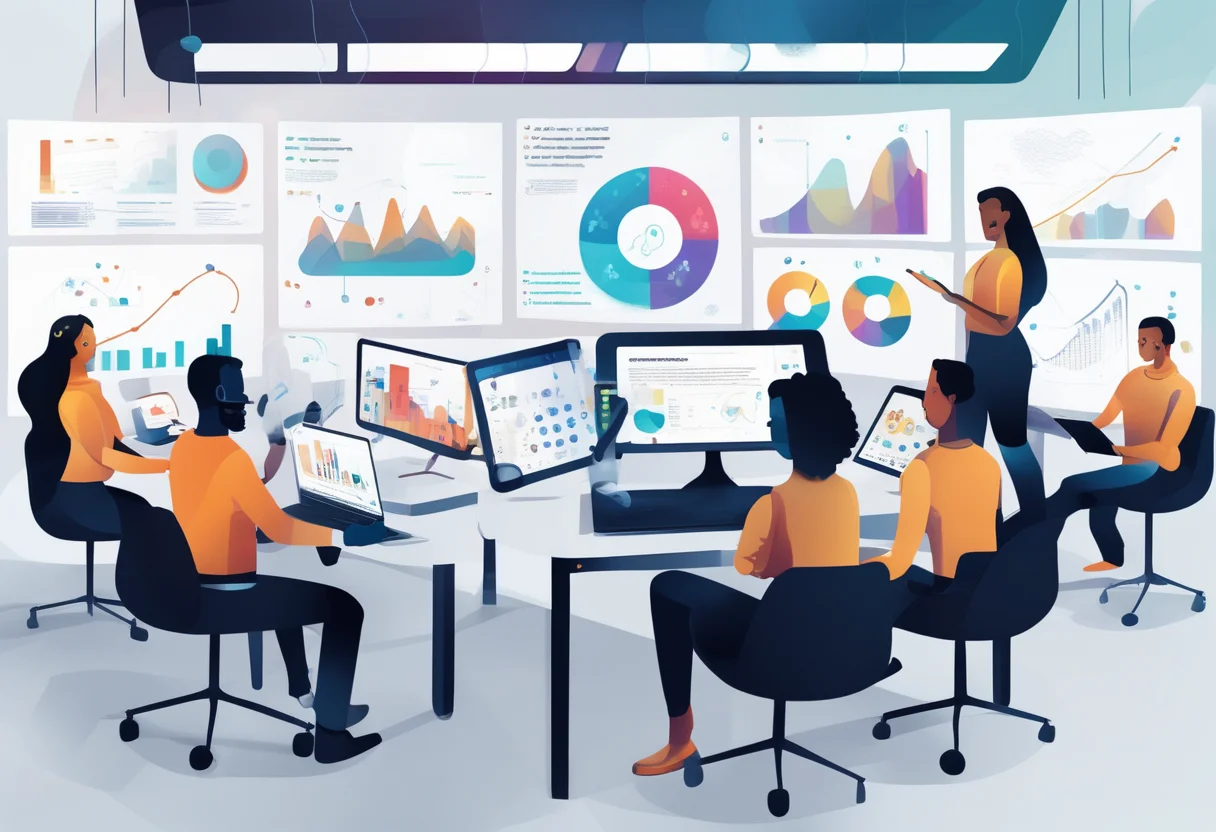
These analytics enable continuous assessment of workforce skills and market trends, offering insights for targeted training and strategic planning. By incorporating employee feedback through surveys and open discussions, companies can refine AI strategies to address real needs, facilitating smoother adoption. Continuous learning programs that update content in line with AI advancements, combined with mentorship and collaboration, enhance knowledge sharing and adaptability.
Organizations utilizing predictive analytics to assess skill gaps can customize training to meet specific needs, leading to improved AI adoption and workforce development.
Ethical and Inclusive AI in Learning and Development Strategies
Ensuring Equity and Reducing Bias in AI
Using AI in learning and development (L&D) can significantly enhance fairness by emphasizing equality and nondiscrimination. This involves creating AI systems that provide personalized learning experiences, particularly benefiting those who might face challenges with traditional education methods.
However, it's crucial to ensure these AI systems are free from biases that could result in unfair outcomes. Transparency in AI operations builds trust and ensures that decisions are understandable and equitable for all stakeholders. Additionally, protecting employee data is essential, adhering to privacy laws to safeguard information and encourage engagement with AI-driven learning.

Regularly auditing and adjusting AI tools is vital to maintaining their ethical and fair use. For instance, an L&D team might routinely review their AI platform to identify and correct biased suggestions, ensuring equitable learning opportunities for everyone.
Overcoming AI Adoption Challenges in L&D
Integrating AI into L&D is not without challenges. A significant issue is the complexity of AI decisions, often referred to as 'black box' models, which can hinder users' ability to trust or comprehend how conclusions are drawn. Data security poses another major concern, with the risk of breaches threatening sensitive information, necessitating stringent data protection measures.
Moreover, there is widespread skepticism regarding companies' responsible use of AI, making transparency about AI's role in learning programs crucial for building trust. Selecting AI vendors who prioritize ethics, such as minimizing bias and safeguarding data, is essential for responsible AI deployment in L&D.
Challenges may arise if AI tools provide unexplained recommendations, potentially leading to employee distrust and reduced platform usage.
For more insights on ethical AI development best practices, visit SmartDev. Further details on ensuring ethical AI use in L&D can be found at Training Magazine.
Future-Proofing Learning and Development Strategies with AI
Integrating AI in Human-Centric Learning Strategies
AI is transforming the landscape of learning and development. By creating personalized learning paths tailored to individual roles, skills, and career goals, AI makes learning more engaging and relevant, leaving traditional models behind.
With the integration of AI, the creation and delivery of content are expedited. Companies can now produce training materials in mere hours or days, swiftly adapting to the evolving needs of the business. AI-driven platforms, rich with expert knowledge, significantly reduce development time without compromising quality.

AI also automates administrative tasks such as scheduling and tracking progress, allowing HR and L&D teams to concentrate on more strategic projects. Tools like AI avatars enhance the learning experience by making it feel more realistic and engaging.
Moreover, real-time skill gap analysis identifies necessary training, enabling teams to plan proactively. The synergy of AI with a human touch involves crafting intelligent AI strategies, establishing clear policies, and rethinking assessments to delve deeper into learning outcomes. This harmonious blend leverages technology to foster robust human connections.
FAQ Section
AI's Impact on Employee Onboarding in Learning and Development Strategies
AI is revolutionizing employee onboarding by tailoring learning paths to fit individual goals and strengths. This personalized approach makes onboarding more engaging and relevant to each individual. For instance, an AI-powered Learning Management System (LMS) can assign specific onboarding modules based on a new hire's role and previous experience, boosting engagement and accelerating their readiness.

AI-driven LMS platforms streamline the onboarding process by delivering, tracking, and customizing training to meet the unique needs of new employees. Additionally, AI fosters a culture of continuous learning by providing accessible tools and flexible schedules, encouraging ongoing learning from the outset. This method not only simplifies onboarding but also sets new employees up for success from day one.
Key Benefits of AI in Corporate Training and Development Strategies
AI brings numerous advantages to corporate training by creating personalized learning experiences that align employee goals with business needs. This approach effectively closes skills gaps by delivering content tailored to each employee. AI-driven analytics enhance training programs by enabling data-driven decisions, tracking training impact, highlighting successes, and identifying areas for improvement.

AI supports various learning styles, such as online courses, microlearning, and gamification, keeping training engaging and flexible. It also facilitates easy scaling of training across a large workforce, ensuring consistent quality—a significant boon for large organizations. For example, AI-powered platforms can deliver microlearning modules that adapt in real-time to employee performance, optimizing learning outcomes and ensuring top-notch training.
Enhancing Personalized Learning Experiences with AI in Development Strategies
AI enhances personalized learning by analyzing employee skills, preferences, and goals to recommend relevant content and activities. This ensures employees receive training that is directly applicable to their jobs and career paths. AI supports blended learning by integrating experiential, social, and formal learning, following frameworks like the 70-20-10 model, which maximizes development through diverse learning methods.
AI platforms provide real-time feedback and mentoring, enriching social learning and fostering relationships among employees. For instance, an employee might receive a custom learning plan that includes online courses, peer mentoring, and on-the-job projects, all dynamically adjusted based on their progress and feedback. This comprehensive approach not only aids knowledge retention but also promotes a collaborative learning environment.
Using AI in learning and development allows organizations to craft personalized, data-driven, and scalable strategies that align with business goals and support continuous employee growth. By leveraging AI, companies can enhance onboarding, optimize corporate training, and provide personalized learning experiences that benefit both individuals and the organization as a whole.