The way a company welcomes new employees can really set the tone for their experience. And guess what? Companies with solid onboarding keep new hires around 82% more and boost productivity by over 70%. Now, AI-driven training is stepping in to change the game. With AI, businesses can craft onboarding that’s personal, efficient, and flexible, fitting each person's learning style. Think about an onboarding process that not only gets new hires involved but also makes them feel capable from day one. In this piece, we’ll break down how AI-driven training works for onboarding, walk you through how to set it up, and share real-life examples and success stories. These will show how AI can truly change the way we bring new employees on board. So, let’s see how AI can really lift your onboarding process!
AI-Driven Training: Revolutionizing Onboarding Processes
AI-Driven Training: A Comprehensive Overview
AI-driven training leverages artificial intelligence to craft a personalized, ongoing onboarding experience for each employee. This approach adapts to an individual's role, skill level, and preferred learning style. Unlike traditional methods, AI-driven training evolves in real-time, responding to employee performance and identifying areas requiring additional support.
Key features of AI-driven training include:
- Hyper-personalization: Tailored learning paths for each employee.
- Contextual help: Assistance based on real-time needs.
- Skill gap analysis: Identifying areas for improvement.
- Learning updates: Continuous content refreshment.
- Automated content creation: Efficient and relevant material generation.
Through adaptive learning paths and real-time analytics, AI-driven training replaces static materials with interactive, data-driven guidance that enhances engagement and skill development.
Benefits of AI-Driven Onboarding
AI-driven onboarding streamlines processes by automating routine tasks such as scheduling and paperwork. This can reduce onboarding time by more than half and potentially save over $18,000 annually.
Benefits include:
- Enhanced employee engagement: Personalized experiences lead to higher satisfaction and retention.
- Accelerated integration: Employees become productive more quickly.
- Data-driven decision-making: AI tools analyze data to refine strategies and ensure consistent brand messaging.
- Seamless integration with HR systems: Works well with tools like Applicant Tracking Systems.
Despite some initial costs, AI significantly boosts productivity, reduces administrative workload, and minimizes errors, making it a valuable investment for modern organizations.
Step-by-Step Guide to Implementing AI-Driven Training in Onboarding
Conduct an Onboarding Process Audit
Map Out Current Onboarding Steps for AI Integration
Start by mapping out every step of your current onboarding process. This includes:
- Pre-boarding tasks: Sending welcome emails and setting up accounts.
- Onboarding sessions: Actual training and orientation.
- Training milestones: Completing required courses.
- Cultural integration: Introducing company values and norms.
This detailed map will help you see where AI can make things smoother or more personalized.

Identify Onboarding Challenges and Improvement Areas
Once you've mapped out the process, look closely for:
- Slow spots
- Repeated tasks
- Areas where new hires often struggle or feel overwhelmed
You can do this by checking feedback from past sessions, talking to recent hires, or reviewing training module completion rates. Identifying these trouble spots is key because it shows where AI can help, such as automating repetitive tasks or offering extra support through AI chatbots.
Establish Key Performance Indicators (KPIs) for Success
Define Clear KPIs for AI-Driven Onboarding Success
Setting success metrics is crucial to evaluate the effectiveness of your AI-driven onboarding. Define clear KPIs like:
- Engagement rates: How much new hires interact with training.
- Time-to-productivity: How quickly they start contributing.
- Early retention rates: How well your onboarding keeps new employees engaged and committed.
These KPIs will be your benchmarks for measuring the impact of AI-driven training.
Align KPIs with Business Goals and Past Performance
Ensure your KPIs align with your broader business goals. For instance, if reducing turnover is a priority, focus on boosting early retention. Compare these metrics with past onboarding results to identify areas for improvement. This comparison will reveal the potential impact of AI-driven training and help set realistic future goals.
Practical Applications of AI-Driven Training in Onboarding
Personalization of Onboarding Experiences with AI-Driven Training
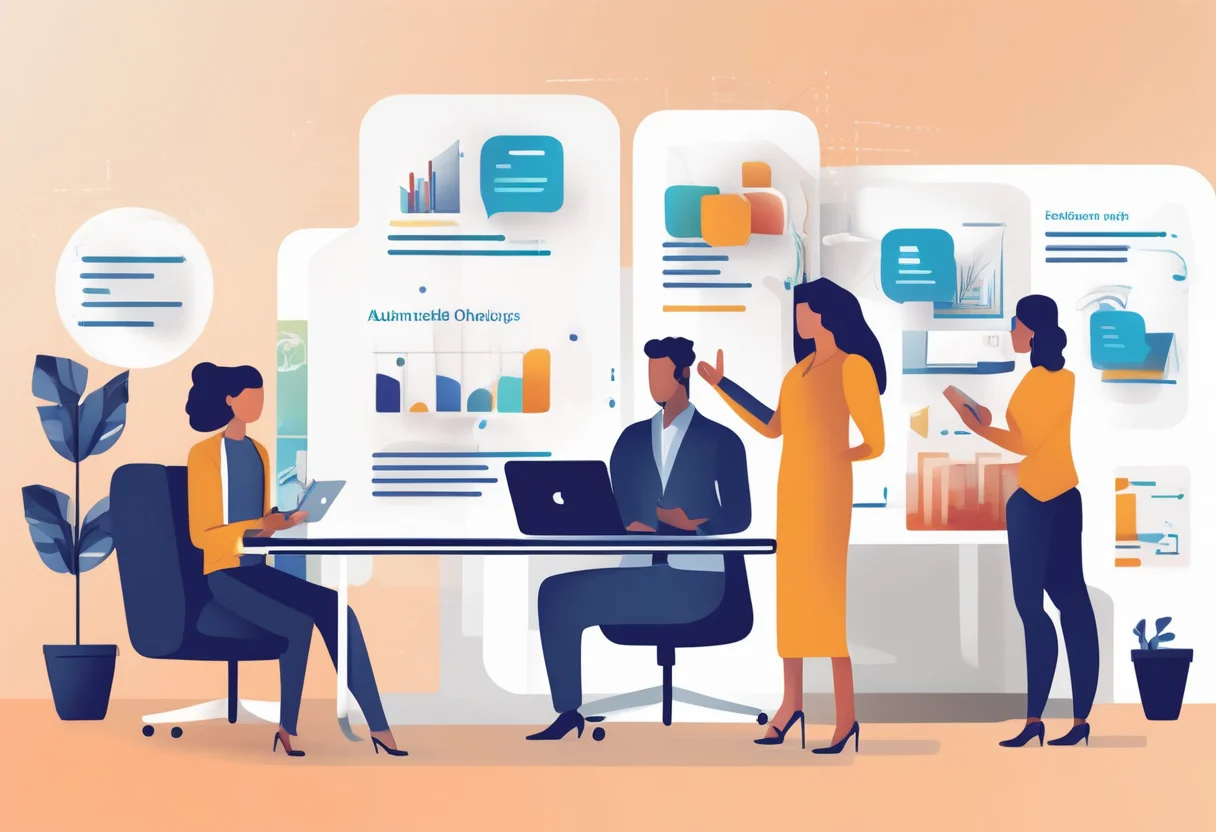
AI makes it easy to tailor onboarding to fit each new hire's needs, boosting engagement and understanding. By analyzing employee profiles, AI identifies skills, personality traits, and potential knowledge gaps. It then recommends personalized courses and resources AI enables customization.
Additionally, AI can connect new hires with team members who share similar backgrounds or interests, fostering better cultural integration. AI-powered platforms facilitate lively communication and organized checklists, keeping new hires engaged and on track as they progress AI-powered onboarding tools.
Automation of Routine Onboarding Tasks with AI-Driven Solutions
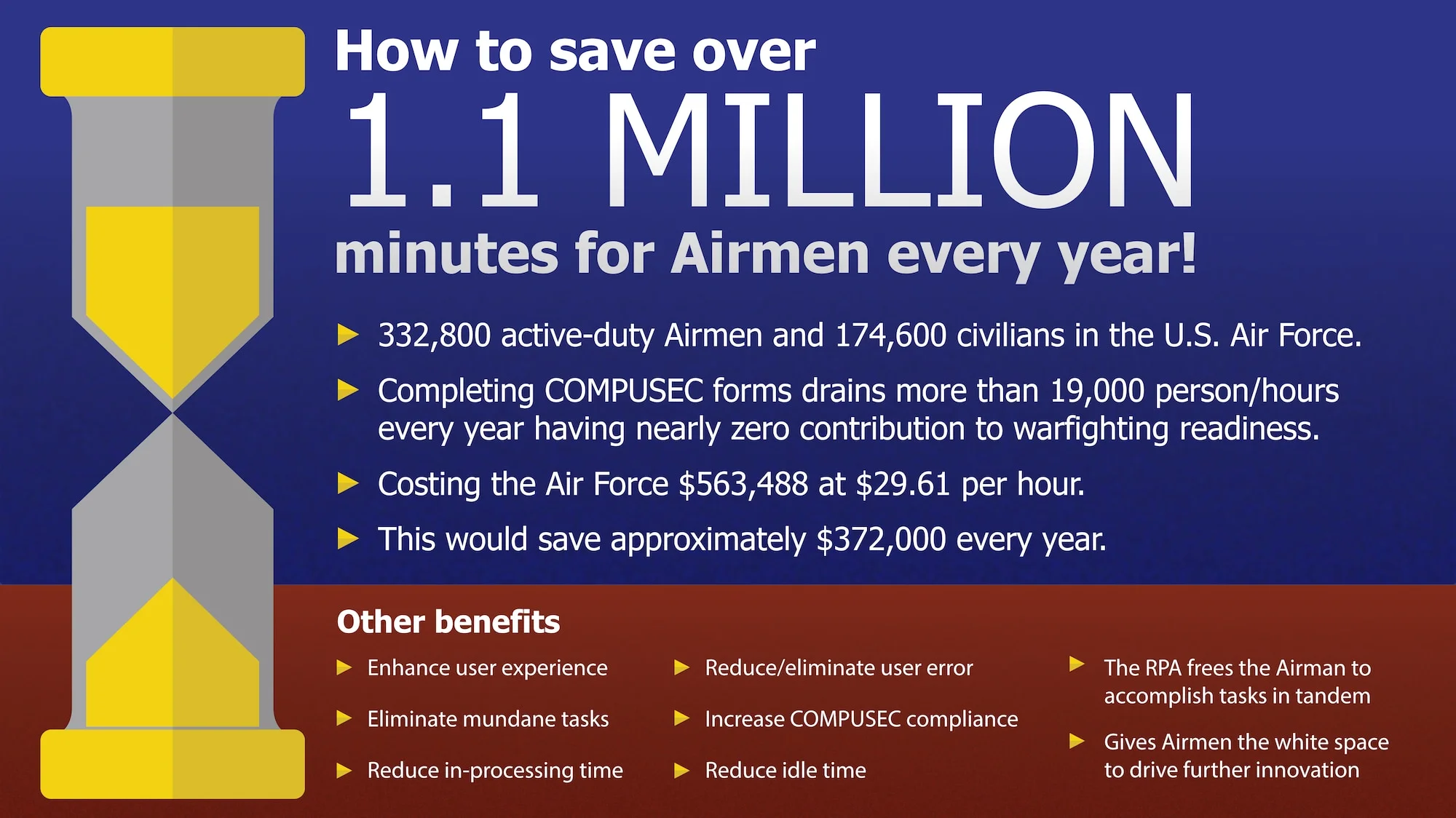
AI significantly reduces HR's workload by automating routine tasks such as form completion, policy inquiries, and system access setup AI automates administrative tasks. Through Robotic Process Automation (RPA), system access setup becomes more efficient, enabling new hires to commence their roles promptly. Furthermore, AI ensures compliance checklists are completed and tracked automatically, eliminating manual oversight RPA reduces system access setup time.
Real-Time Feedback and Progress Tracking with AI-Driven Insights
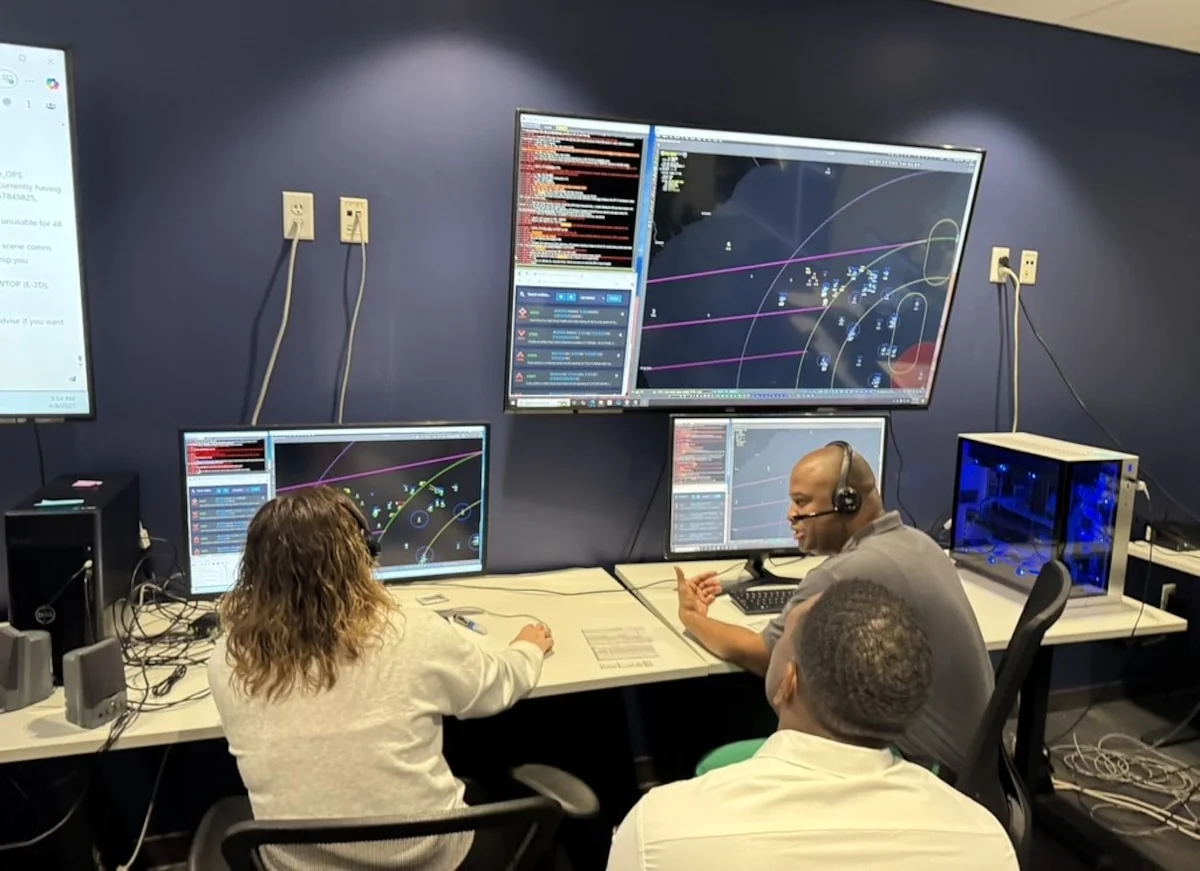
AI monitors onboarding processes in real-time, marking task completion and assessing new hire engagement AI tracks onboarding progress. AI-powered dashboards provide HR with valuable insights and alerts, allowing for timely intervention when necessary. Personalized reminders help new hires maintain focus on their goals.
Moreover, AI simulations offer instant feedback, accelerating skill development through interactive practice AI simulations provide feedback.
Case Studies: Successful AI-Driven Onboarding
AI-Driven Training: Company Examples and Outcomes
Hitachi implemented a custom AI digital assistant for onboarding, which resulted in significant efficiency improvements. The onboarding process was reduced by four days, and the HR workload was cut from 20 hours to 12 hours per hire.
Texans Credit Union leveraged robotic process automation to drastically reduce system setup time from 15-20 minutes to less than one minute per hire.
A tech startup adopted AI strategies that provided instant mentor access and role-specific modules, which led to a 20% reduction in turnover.
IBM introduced an AI onboarding program that successfully lowered employee turnover by 25% through its interactive training approach.
Zoho deployed AI programs that enabled 70% of new employees to become more productive.
Lessons Learned from AI-Driven Training Applications
AI-powered onboarding transforms training by making it more engaging and tailored to diverse learning styles and roles. This personalization helps retain employees by providing immediate support and interactive modules.
However, successful AI integration requires addressing challenges such as data privacy and system complexity. Collaboration between HR and IT is crucial to overcoming these hurdles.
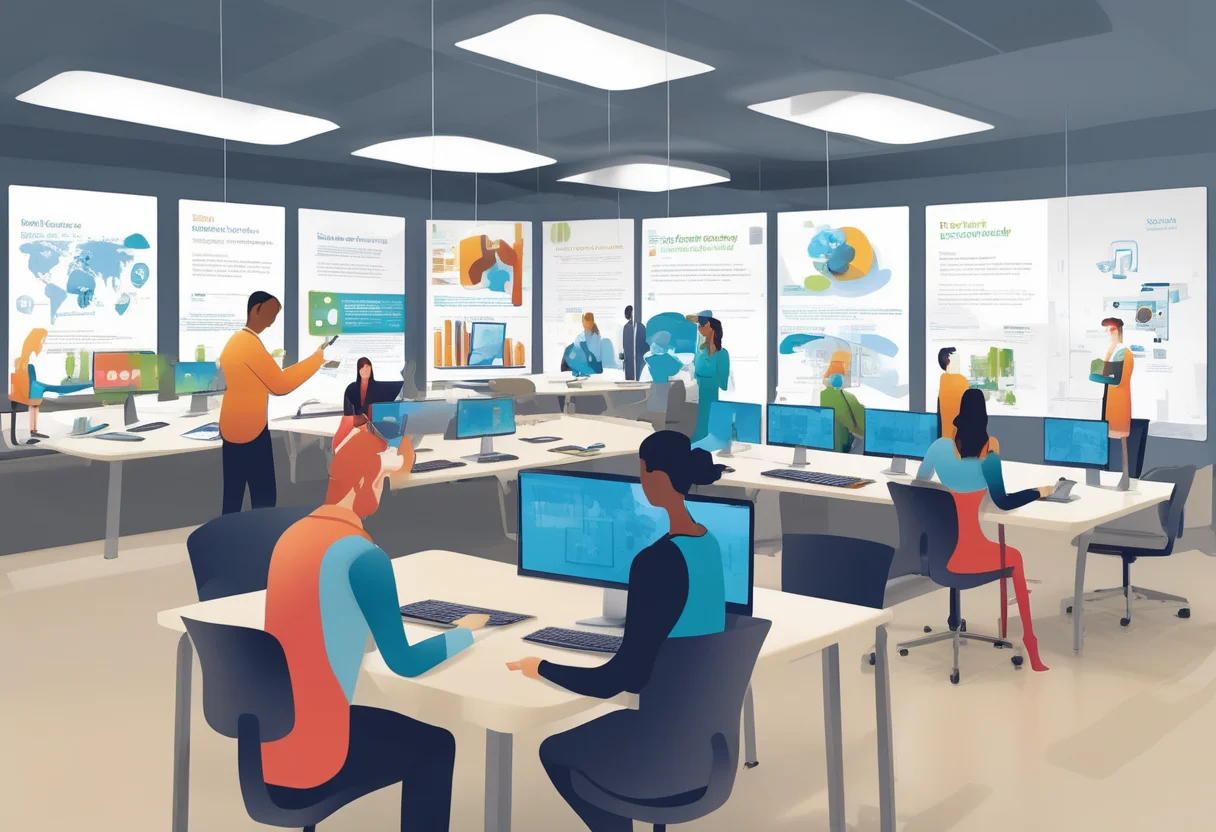
Automating routine tasks allows HR to focus on more strategic initiatives. Additionally, AI platforms that incorporate game-like training elements can enhance employee satisfaction and reduce turnover.
Ultimately, effective teamwork and clear communication are essential to ensure the successful implementation of AI onboarding tools.
FAQ Section
How Does AI-Driven Training Personalize Onboarding for New Hires?
AI enhances the onboarding process by tailoring training content to align with each employee's progress, preferences, and career goals. It creates dynamic learning paths that adapt in real-time according to individual performance and learning styles. By analyzing performance and engagement, AI focuses training on areas needing improvement while maintaining interest. It customizes videos and interactive materials to increase engagement and retention. Acting as a virtual tutor, AI allows new hires to pause and resume training at their convenience and provides instant answers through chatbots. Additionally, AI identifies skill gaps and learning needs, facilitating more targeted onboarding programs.
What Are the Cost Savings of AI-Driven Training in Onboarding?
AI-driven onboarding reduces costs by automating content creation and delivery, freeing up L&D managers' time. With AI managing processes and workflows, operational costs decrease, and errors are minimized. Training becomes more efficient, with course completion rates increasing by up to 20%. AI also automates the translation of training materials, eliminating the high costs of manual localization and accelerating global onboarding. It helps employees learn to use AI tools, reducing the need for external consultants.
How Does AI-Driven Training Boost Employee Engagement in Onboarding?
AI enhances engagement by designing learning paths that match employees' styles, preferences, and career goals. Interactive content, such as videos, VR, and AR, creates immersive experiences, simplifying complex topics and making them more engaging. AI provides instant feedback and coaching, aiding retention and promoting continuous skill development. By customizing training recommendations and adjusting difficulty levels based on individual progress, AI keeps learners motivated and supported throughout the onboarding process. AI-powered systems continuously refine content to ensure effective progress.
For further reading on the impact of AI in training and development, you can explore these resources: