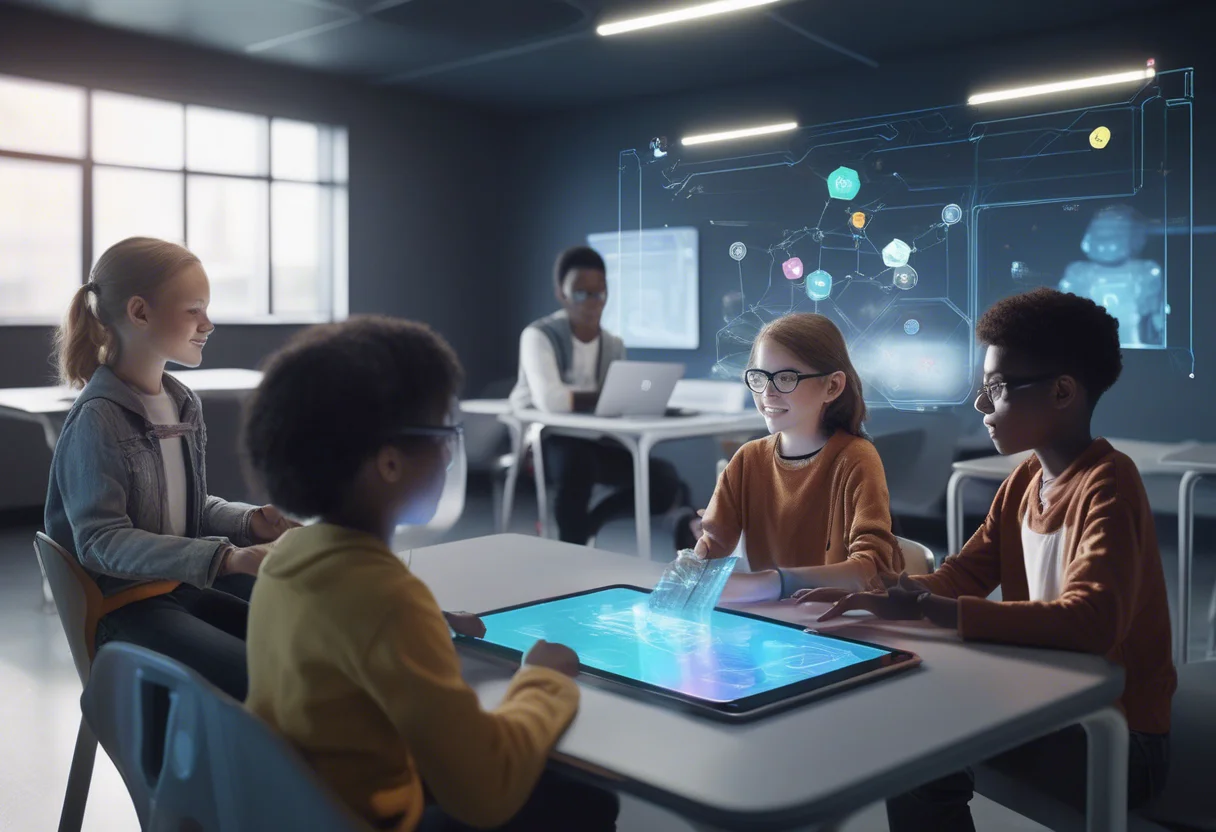
AI-powered tutors are changing how we learn. Picture a classroom where every student gets help just like having their own tutor, anytime they need it. This isn't a far-off dream—it's happening now. A recent study shows that AI in education is set to grow by 47.5% each year, changing how we think about learning. These AI tutors are leading the way, offering learning experiences that fit each student's needs, likes, and speed. But how exactly do they work, and where do they fall short? Let's take a closer look at AI-powered tutors, their perks, the hurdles they face, and what they mean for the future of education. Whether you're teaching, learning, or just curious about what's next in education, this discussion might change how you see learning forever.
Summary: This article discusses the role of AI-powered tutors in personalized learning, their benefits, challenges, integration with human instructors, and future trends and ethical considerations. It provides insights into how AI can enhance educational experiences while addressing potential limitations and ethical concerns.
Understanding AI-Powered Tutors
AI-Powered Tutors: Personalized Learning Systems
AI-powered tutors are intelligent systems designed to personalize learning. They adapt the content you learn, the pace at which you progress, and the type of feedback you receive, all tailored to your individual needs. By analyzing your learning patterns, these tutors adjust the material to better suit you. They provide immediate feedback and targeted assistance, enhancing your understanding and retention of information.
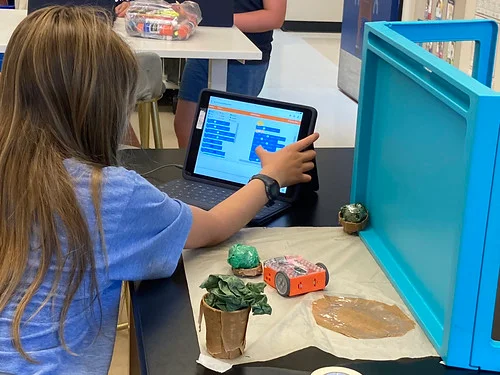
These tutors align with curriculum requirements, monitor your progress, and select optimal teaching methods using data-driven insights. Imagine an AI tutor evaluating your calculus proficiency through interactive exercises, then adjusting the difficulty and offering feedback to allow you to learn at your own pace while truly comprehending the material. Furthermore, they are available 24/7, enabling you to learn whenever it is convenient for you.
Technologies Driving AI-Powered Tutors
Machine Learning in AI Tutors
Machine learning forms the core of AI tutors. It enables them to process vast amounts of data regarding student performance and engagement. This technology crafts learning pathways that focus on areas requiring additional support. With the help of machine learning algorithms, these systems can predict the most effective teaching methods, ensuring that lessons are neither too challenging nor too simple.

Natural Language Processing for Interactive Learning
Natural Language Processing (NLP) allows AI tutors to provide instant feedback and comprehend user queries. It facilitates interactive and conversational learning experiences. Through NLP, AI tutors can understand your questions, offer explanations, and engage in dialogue, making the learning process feel more intuitive and less intimidating.
Data Analytics for Enhanced Learning
Data analytics and real-time tracking are crucial for AI tutors. They enable educators to assess student performance, engagement, and learning efficacy. This insight helps in keeping the curriculum relevant and the teaching personalized. By leveraging various models, AI systems can adjust content difficulty and deliver specific assistance, ultimately enhancing the overall learning experience.
Benefits of AI-Powered Tutors in Personalized Learning
Personalized Learning Paths with AI-Powered Tutors
AI tutors are revolutionizing the educational landscape by crafting personalized learning paths. These intelligent systems analyze your performance and interests to develop a plan tailored to your unique strengths and weaknesses. This customization allows you to progress at your own pace, ensuring a thorough understanding before moving forward.
- Adaptive Content: The AI adjusts both content and teaching style dynamically, maintaining your engagement and interest.
- Personalized Approach: If algebra poses challenges, the AI focuses on foundational concepts, while a peer with a stronger grasp can advance to more complex problems.
Instant Feedback and Engagement with AI Tutors
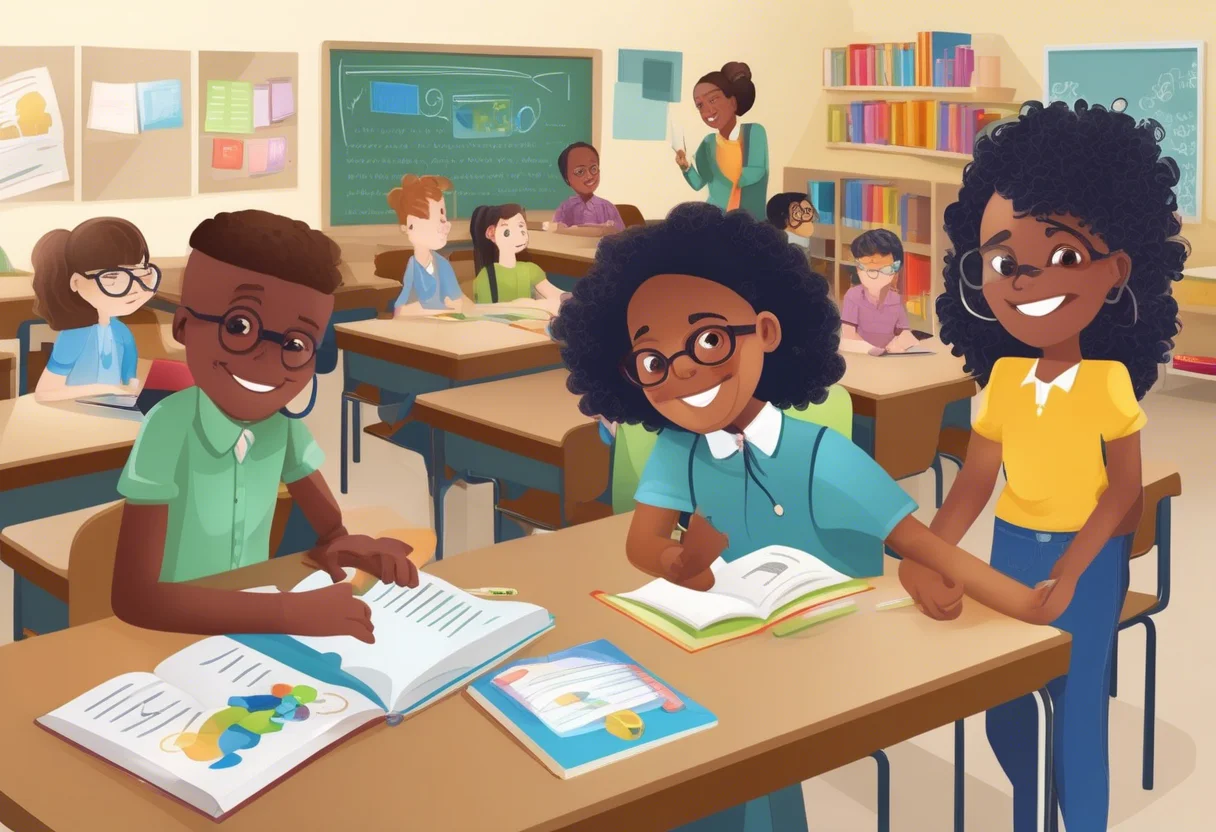
One of the standout benefits of AI tutors is the provision of instant feedback. Unlike traditional classrooms where feedback may be delayed, AI tutors offer immediate corrections and guidance. This rapid response helps prevent misconceptions from taking root.
- 24/7 Availability: AI tutors are accessible anytime, eliminating the need to wait for teacher assistance.
- Interactive Learning: They employ engaging and interactive methods to keep you motivated. For instance, when writing an essay, the AI can instantly highlight grammar errors and suggest improvements, enabling on-the-spot learning and revision.
Scalability and Accessibility of AI-Powered Tutoring
AI tutoring systems excel in scalability and accessibility, significantly broadening educational reach. This technology ensures that more students, including those in remote areas, can access quality education.
- Teacher Support: By automating tasks such as grading, AI frees teachers to concentrate on teaching.
- Real-time Data: Schools can utilize real-time data to refine lessons and address trends effectively. For example, a district might employ AI to support thousands of students across various schools, providing personalized lessons and progress reports to educators.
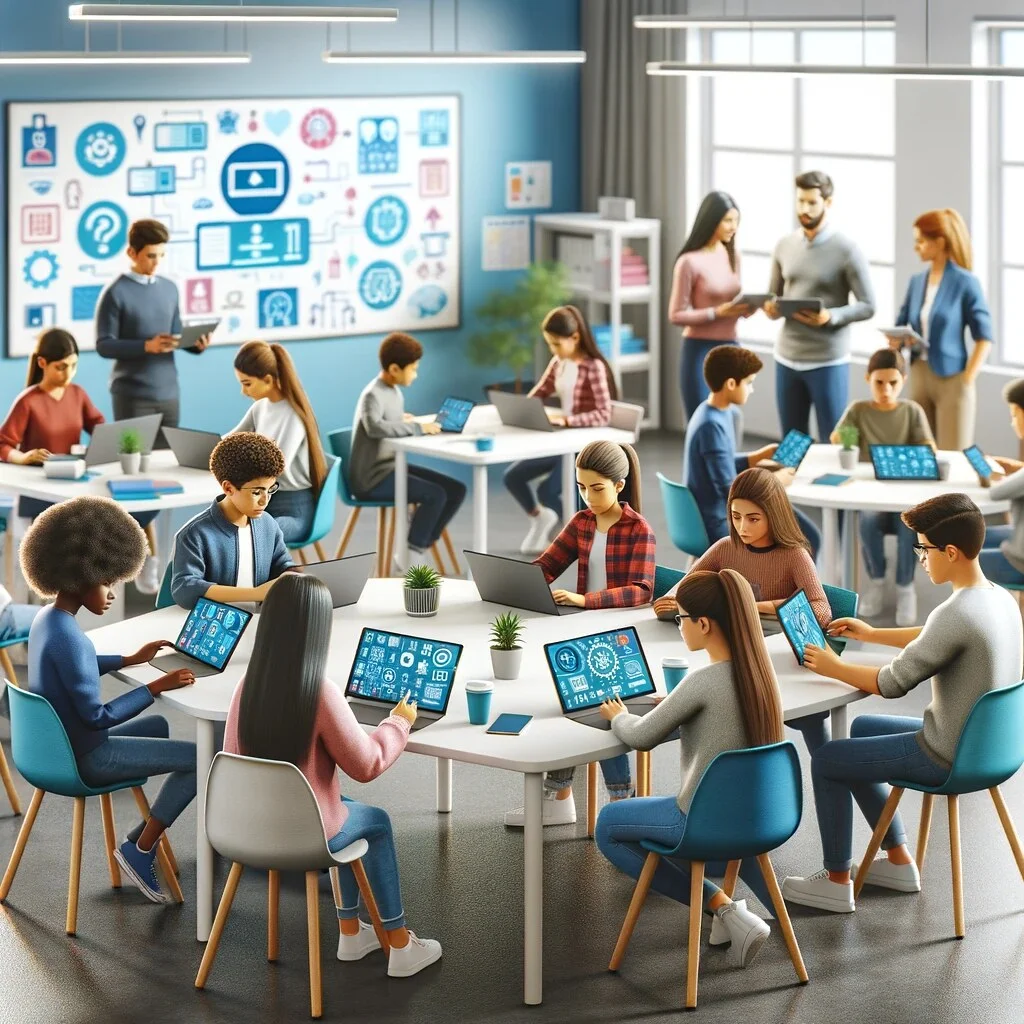
AI tutors remain available around the clock, allowing learning to fit seamlessly into your schedule. This capability enables schools to educate more students without compromising the quality of education.
Challenges and Limitations of AI-Powered Tutors
Emotional Intelligence: AI vs. Human Interaction
AI tutors excel in handling data and providing personalized feedback. However, they lack the emotional intelligence and personal touch that human teachers naturally possess. Emotional intelligence is crucial for:
- Understanding and reacting to students' feelings
- Building trust
- Creating a supportive atmosphere
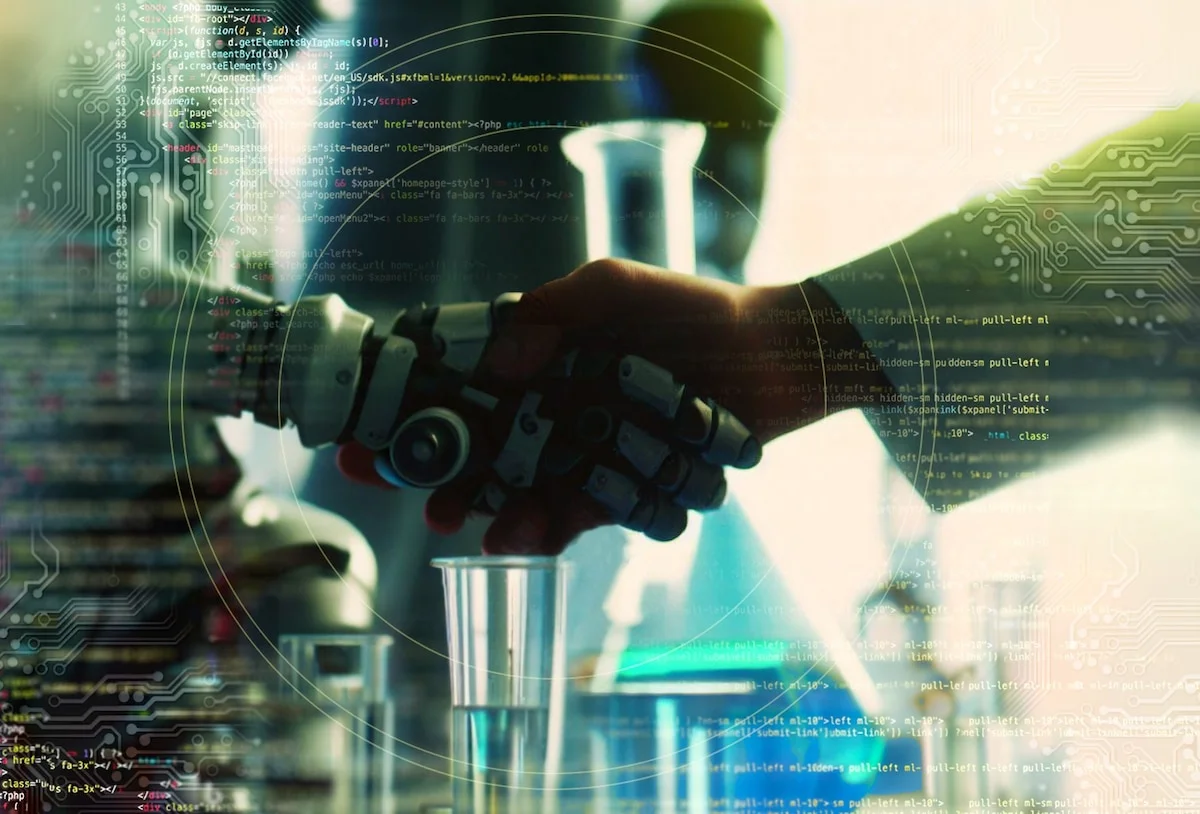
Unlike human tutors, AI cannot detect when a student is frustrated or losing interest. They are unable to adjust their teaching style to offer encouragement or empathy. This absence of emotional perception means AI tutors can't provide the mentorship and emotional support essential for a student's overall development.
Moreover, an over-reliance on AI could reduce valuable face-to-face time with teachers, which is vital for developing social skills and rapport. Teachers must remain involved to monitor AI behavior, as AI can sometimes deliver inconsistent or irrelevant feedback without human guidance.
Cost and Implementation Challenges of AI Tutors
Developing and implementing AI-powered tutoring systems requires significant resources, including research, technology, and content creation, which can be costly. This expense poses a challenge, particularly for smaller schools or those with limited budgets. Additional challenges include:
- Ensuring equal access to technology
- Maintaining data privacy
- Overseeing AI-student interactions

To effectively integrate AI, teachers need support to utilize these tools correctly and track their impact on learning. They may also need to invest extra time in managing AI tutors, adjusting settings, and correcting AI errors, which can impede adoption. Privacy and security concerns arise regarding how data is collected, stored, and processed in AI systems, raising issues about data protection and user control.
Subject Suitability and Risks of Over-Reliance on AI Tutors
AI tutors are most effective for structured subjects like math and coding but struggle with complex topics such as humanities and creative fields. They rely on quality data, so if the data is lacking or biased, the results may be inaccurate or outdated. Risks associated with AI tutors include:
- Students relying too heavily on AI, leading to reduced interaction with human teachers and limited learning experiences
- Potential biases in grading, affecting non-native English speakers and raising fairness concerns
Furthermore, AI tutors face challenges adapting to changing curricula and unique student needs, limiting their effectiveness in diverse learning environments. The risk of AI-generated misinformation and errors necessitates ongoing human oversight to ensure accuracy and prevent the spread of false information in education.
For more insights, check out AI in education, limitations of AI in education, and AI in schools pros and cons.
Integrating AI Tutors with Human Instructors
Hybrid Personalization with AI-Powered Tutors
In the world of AI-powered education, the hybrid personalization model is a significant advancement. It helps create tailored learning experiences for each student. AI tutors utilize machine learning and natural language processing to deliver personalized lessons, provide rapid feedback, and create adaptive learning paths that cater to individual student needs.
These systems excel at analyzing vast amounts of data to identify patterns in student performance, pinpoint areas of struggle, and dynamically adjust the difficulty level. This capability makes personalized learning scalable. AI tutors empower students to learn at their own pace and demonstrate understanding before progressing, addressing Bloom's 2 sigma problem regarding the effectiveness of personalized learning.
However, the integration of AI in education must align with pedagogical principles. Teachers play a crucial role in ensuring that AI features align with learning objectives and course outcomes. Human educators bring what AI lacks: emotional intelligence and contextual understanding. They select appropriate content, maintain ethical oversight, and leverage AI insights to refine their teaching. This hybrid model offers students the best of both worlds—the efficiency of AI for repetitive tasks and the human touch for empathy and adaptability.
Complementary Roles of AI-Powered Tutors and Teachers
AI tutors and human teachers each have distinct roles in education. AI tutors handle routine tasks such as grading, tracking progress, and generating practice exercises. This allows teachers to focus on mentoring, providing emotional support, and fostering creativity.
Human teachers contribute essential emotional intelligence and the ability to navigate complex personal situations—capabilities beyond the reach of AI. Teachers are instrumental in fine-tuning the operation of AI tutors, ensuring that technology supports rather than supplants the teaching process.
While students appreciate AI tutors for their accessibility and quick feedback, they also emphasize the importance of human connection for quality education. Successfully integrating AI tutors into education requires addressing ethical concerns such as data privacy, algorithmic bias, and transparency in AI operations to build trust in AI-driven learning. Together, AI tutors and human teachers create a balanced educational environment, enhancing learning while preserving the human element.
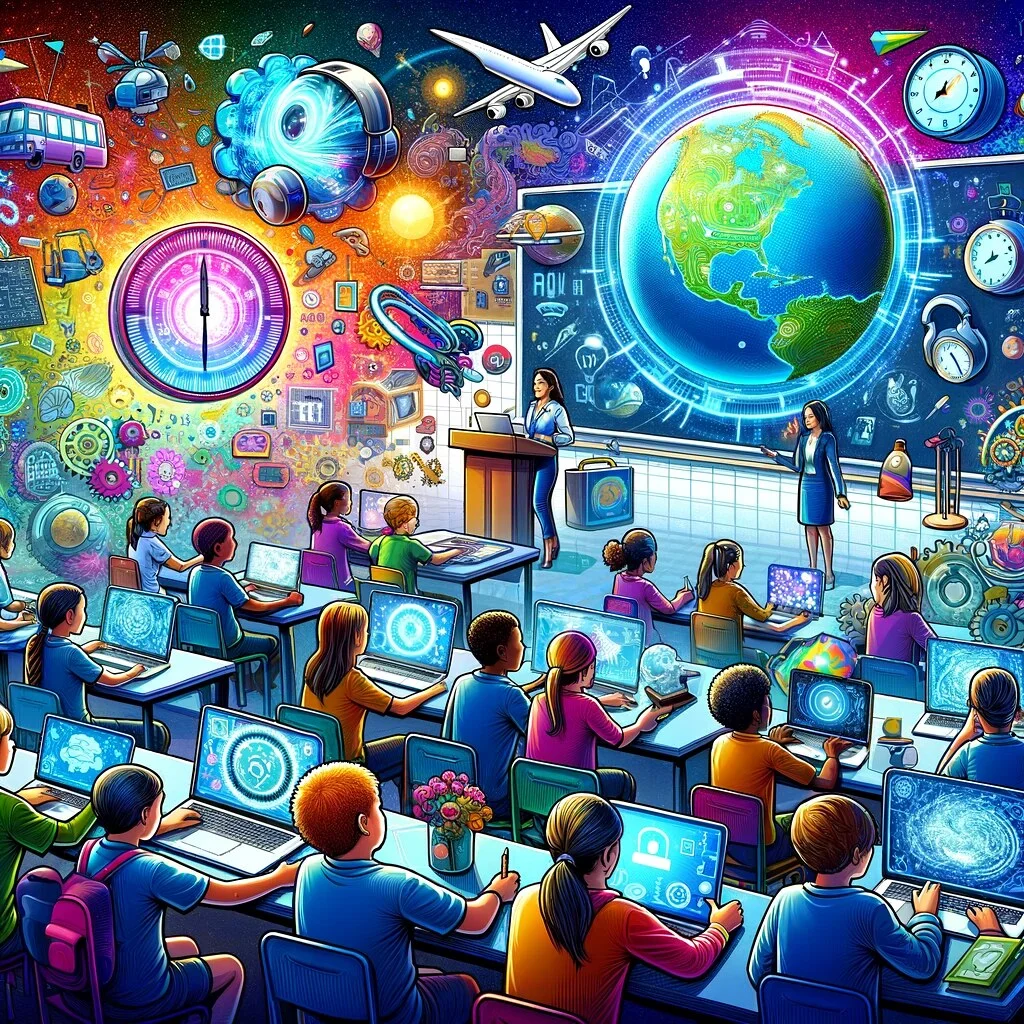
Future Trends and Ethical Considerations
Emerging AI-Powered Tutor Technologies
AI tutors are rapidly evolving, enhancing their ability to personalize and adapt to individual learning styles. These tutoring systems analyze students' learning patterns and adjust content to maintain engagement and improve comprehension. By identifying each student's learning style, strengths, and weaknesses, AI tutors can offer tailored exercises. Additionally, they provide adaptive testing to deliver a more accurate assessment of student performance.
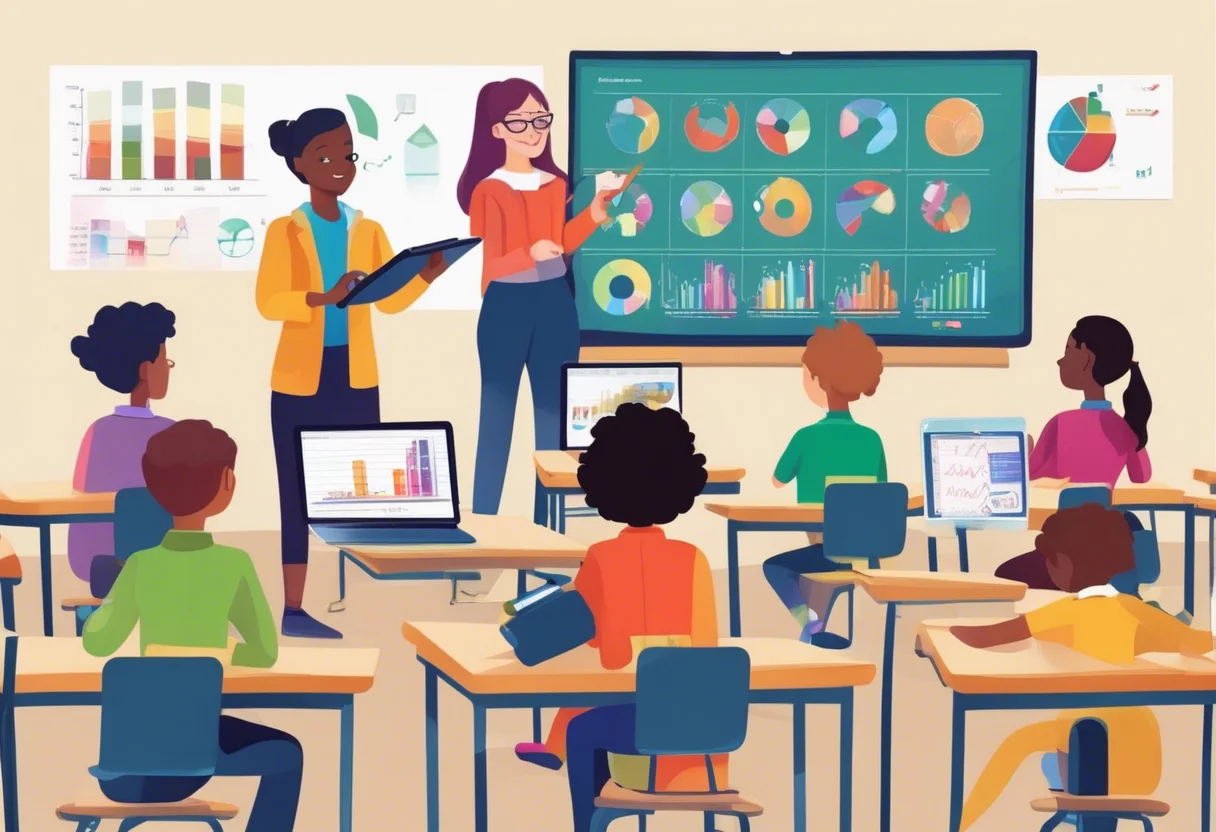
Leading edtech companies such as Duolingo and Memrise leverage AI to personalize learning experiences, offer instant feedback, and provide interactive practice sessions, particularly in language learning. Importantly, these AI tutors are not a replacement for teachers. Instead, they handle administrative tasks like grading and attendance, allowing educators to concentrate on mentoring and inspiring students.
Generative AI tools also assist with lesson planning and feedback. By 2025, it is anticipated that many educators will have a positive view of these tools. Future tutoring systems may even incorporate biometric data, such as heart rate and facial expressions, to further personalize learning experiences.
Ethical and Equity Issues with AI-Powered Tutors
AI tutors have the potential to democratize education by delivering quality, personalized learning to underserved and remote areas. Features such as dyslexia-friendly fonts and low-bandwidth options are becoming standard to ensure accessibility for all students.
However, privacy and regulation remain significant concerns. New regulations, like COPPA and the EU AI Act, are being introduced to safeguard student data. Skepticism persists regarding the efficacy of commercial AI tutoring products due to insufficient supporting data, highlighting the need for evidence-based solutions.
To address this, open-source AI tutoring systems are being developed to provide teachers with affordable and adaptable alternatives to expensive commercial products. AI-driven learning aims to proactively identify potential issues, enabling teachers to customize lessons to meet individual student needs.
AI-Powered Tutors: Frequently Asked Questions
Student Engagement: How Do AI-Powered Tutors Compare to Human Instructors?
AI tutors excel in maintaining student engagement through several innovative approaches:
- Instant Feedback: They provide real-time feedback, allowing students to correct mistakes immediately.
- Interactive Tools: Utilizing games, simulations, and visual aids, AI tutors keep attention and motivation high.
- Personalized Learning: Unlike human teachers, AI tutors offer a personalized pace and use natural language for interaction, boosting student confidence.
- 24/7 Availability: AI tutors are accessible at any time, ensuring learning doesn't have to pause.
- Unique Experiences: They can create exciting experiences, such as debates with historical figures, which can be more engaging than typical classroom activities.
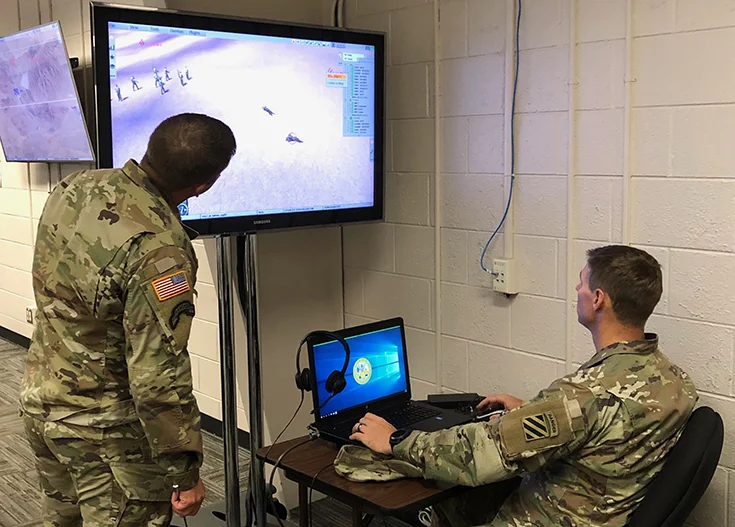
For instance, Khanmigo is an AI tutor using GPT-4 and Khan Academy content that allows students to chat with AI versions of historical figures and receive real-time feedback.
Challenges of AI-Powered Tutors in Traditional Education Systems
Integrating AI tutors into traditional schools presents several challenges:
- Data Privacy: Ensuring compliance with regulations like FERPA to protect student information is crucial.
- Ongoing Support: Continuous data analysis and technical support are necessary to maintain accuracy.
- Human Touch: AI tutors should complement, not replace, teachers, as they lack emotional connectivity.
- Skepticism: Concerns about AI's effectiveness and reliability can hinder adoption.
- Training and Infrastructure: Schools need to address privacy concerns, train teachers, and ensure infrastructure and curriculum readiness.
A strategic approach is essential, as outlined in the AI Tutoring Implementation Guide.
Adapting AI-Powered Tutors to Diverse Learning Styles
AI tutors are highly adaptable, catering to each student's unique learning style and needs by:
- Custom Learning Paths: Developing personalized learning paths based on student readiness and interests.
- Natural Language Processing: Interacting through text or voice and accepting various input types, such as writing or drawing, to enhance accessibility.
- Dynamic Content: Adjusting content and feedback as students progress, offering hints or explanations when needed.
- Motivation through Gamification: Using progress tracking and gamification to maintain motivation, aligning with individual pace and style.
For example, one group might engage in problem-solving tasks while another explores creative projects, with feedback tailored to each student's journey. Platforms like PerTutor AI utilize Bloom's Taxonomy to create assessments and track progress, ensuring personalized learning experiences.