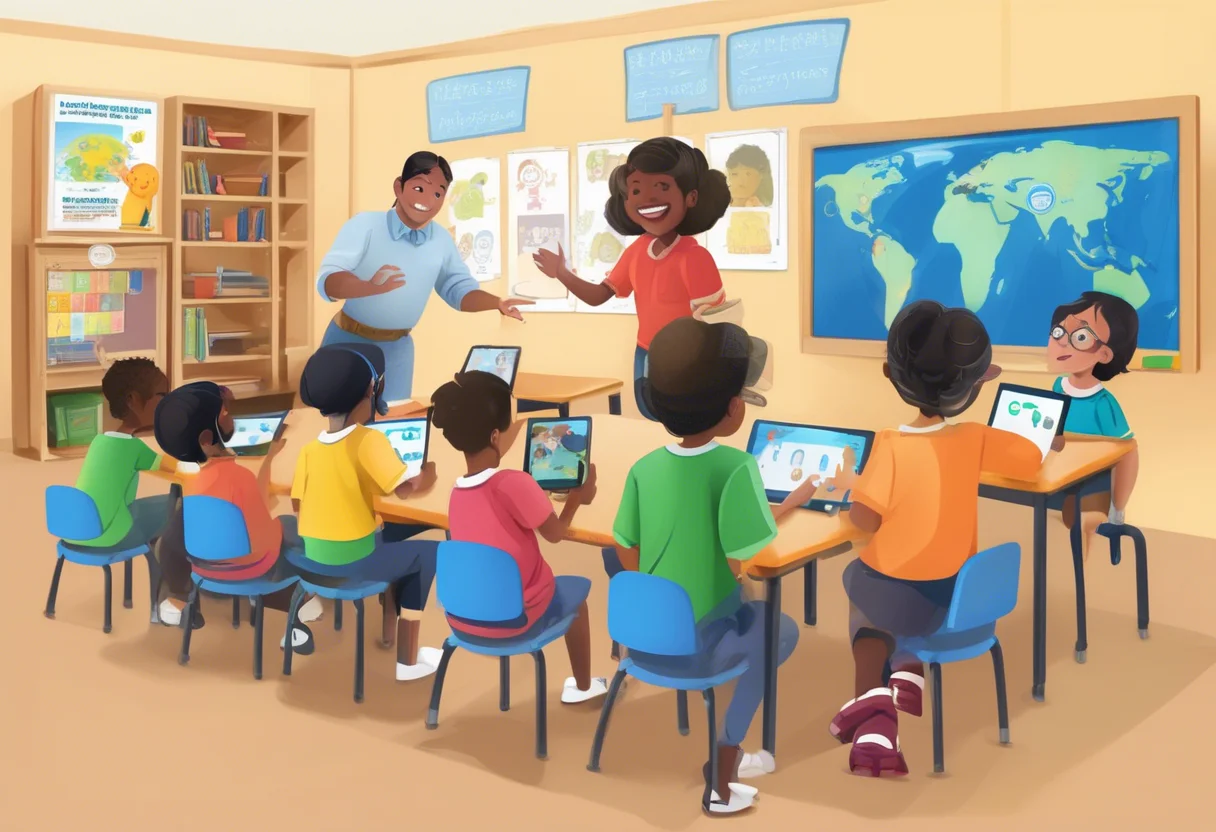
AI is making a big splash in education, especially in bilingual classrooms. Over 60% of people worldwide speak more than one language. That shows how important bilingual education is. But how do we make sure every child gets the support they need, no matter their language background? This is where AI comes in. It’s changing how teachers tackle language learning and inclusivity. AI can tailor learning experiences, give instant feedback, and help break down language barriers. It’s opening doors for a more inclusive bilingual education system. In this article, we'll walk through how AI can boost inclusive bilingual education, giving every child a chance to thrive in a multilingual world. Let's see how technology and education can team up to create a brighter future for kids!
Step-by-Step Guide to Enhancing Inclusive Bilingual Education for Children with AI
Inclusive Lesson Design with Drama-Based Pedagogy and UDL
Drama-Based Pedagogy (DBP) and Universal Design for Learning (UDL) are fantastic approaches to fostering inclusivity in bilingual education. DBP incorporates drama into teaching, which enhances language, literacy, and emotional development, particularly for bilingual children with disabilities. This approach encourages active learning through role-playing characters and stories. For instance, in a dual-language preschool, educators might integrate drama during storytime, allowing multilingual children with disabilities to express their understanding by acting, drawing, or speaking in both English and Spanish.
Universal Design for Learning (UDL) seeks to eliminate educational barriers by addressing diverse learner needs. It emphasizes multiple means of representation, engagement, and expression. By combining DBP with UDL, educators can create inclusive and accessible learning environments that acknowledge diverse abilities and promote active participation in multiple languages.
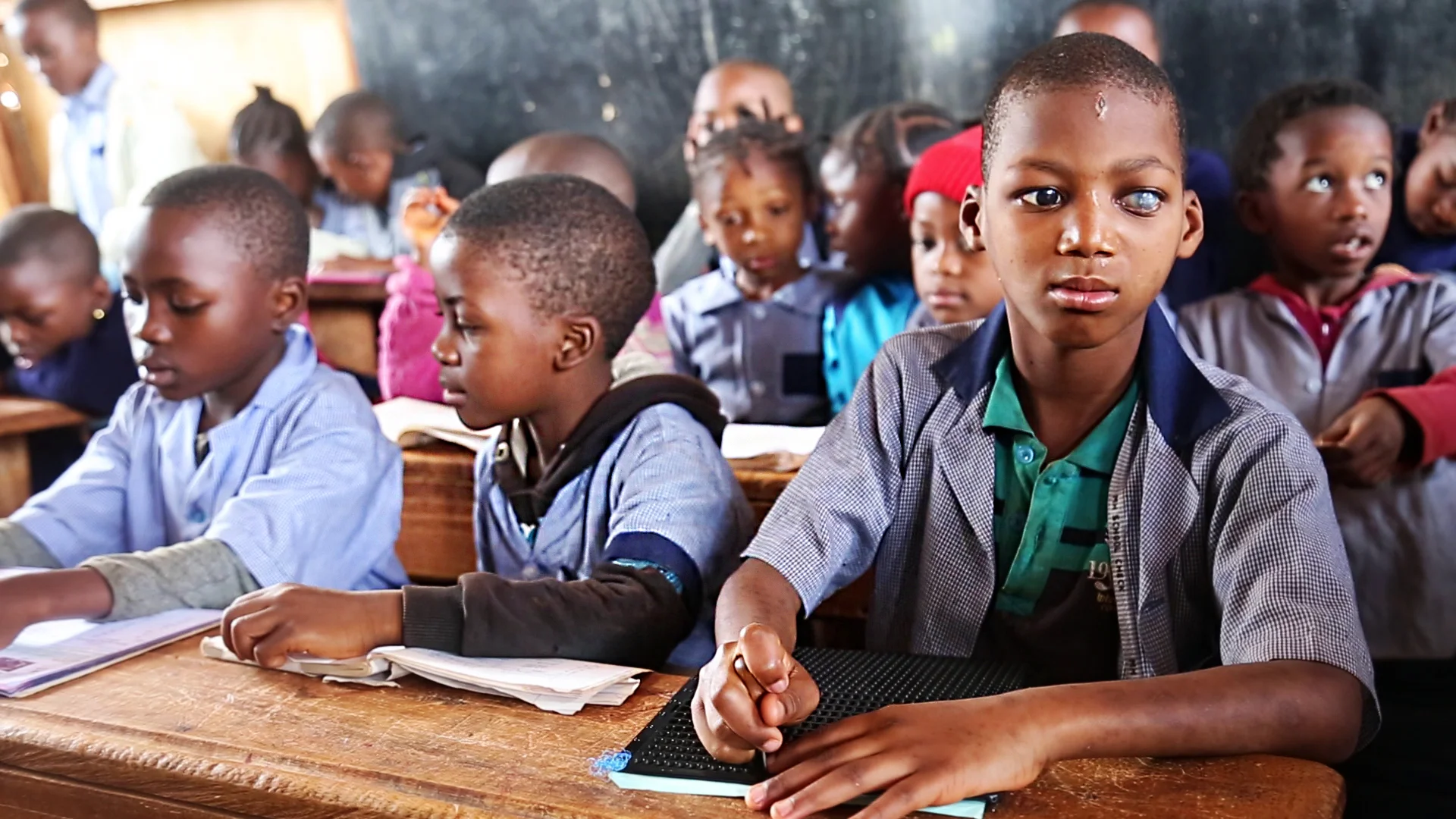
AI Tools for Multilingual Learner Support
Generative AI can significantly enhance language learning for multilingual students by modeling bilingual communication and providing personalized practice. Teachers can leverage AI language applications to craft bilingual dialogues and vocabulary exercises tailored to each student's proficiency level. These tools offer instant feedback, enabling students to refine their language skills promptly.
Training both educators and students in the effective use of AI tools is crucial. Teachers should learn to seamlessly incorporate AI into their lessons, complementing traditional methods. Professional development focusing on AI platforms and data insights can facilitate this integration.
Equitable Dual-Language Immersion Programs
Dual-language immersion (DLI) programs integrate language instruction with content learning, promoting bilingualism and cultural awareness. These programs should ensure balanced instruction in both languages, allowing students to develop language skills while learning academic content. In a two-way DLI program, students from different linguistic backgrounds learn together, enhancing cross-cultural understanding. Early interventions in bilingual programs are essential for supporting bilingualism and addressing individual learning needs.
To ensure equitable access to DLI programs, collaboration with community organizations that support language learning and cultural enrichment is vital. Early screening and customized support for bilingual learners can enhance language development and foster inclusion, setting the stage for long-term success.