
AI is changing how we do training. Picture a world where training isn't just about learning but really making a difference. Each session fits the learner's needs, and progress is tracked right away with accuracy. A recent study found that companies using AI in training saw a 40% jump in employee engagement and a 30% rise in knowledge retention. That's pretty impressive! In this article, we'll walk you through how to bring AI into your training programs, look at how to measure its impact, and tackle some common questions. Whether you're managing training or just curious, let's see how AI can change your training style!
Step-by-Step Guide to Implementing AI in Training Programs
Evaluate AI Readiness and Training Needs
Assess Organizational AI Readiness and Role-Specific Needs
Start by assessing your organization's AI readiness. Identify skill gaps and understand the potential AI applications for each role. Use surveys, interviews, and performance reviews to gather insights into current skills and tech expertise. This information will help you determine the AI capabilities each role needs to enhance productivity. Tailor training programs to address these gaps effectively. For more tips, check out Upskillist's AI integration guide.
Identify Department-Specific AI Requirements
Dive into the specific AI needs of each department:
- Sales might benefit from AI for predicting customer behavior.
- Marketing could use AI for targeted advertisements.
- IT and Operations may focus on process automation.
- Finance might prioritize risk assessment and fraud detection.
Engage with department heads to ensure training content aligns with their daily tasks, providing the AI skills necessary to achieve departmental goals.
Develop Role-Specific AI Training Programs
Align AI Training Content with Departmental Needs
Once you understand the AI requirements of each department, develop a curriculum that aligns with these needs. Include both general AI knowledge and specific applications. For instance:
- Sales might focus on AI in customer management.
- IT could concentrate on system integration.
Ensure the content is relevant and practical for employees' roles, enabling effective AI utilization. Resources like Upskillist's training guide can assist in aligning training with departmental needs.
Introduce Foundational AI Concepts for All Employees
Begin with foundational AI concepts applicable to all roles, such as machine learning, data analysis, and AI ethics. This shared knowledge facilitates collaboration on AI projects and prepares employees for more detailed, role-specific training.
Design Specialized Modules for Role-Specific AI Applications
After covering the basics, develop specialized modules tailored to specific roles. These modules should focus on the AI tools and techniques employees will use daily. For example:
- Sales might explore AI-driven customer insights.
- Operations could delve into supply chain optimization.
Customize these modules to each department’s needs, ensuring practical and applicable training.
Measuring AI's Impact on Training Programs
AI's Influence on Training ROI
AI revolutionizes the way we measure training ROI by providing tools to compare labor costs with output and evaluate employee efficiency both before and after training. Through AI-powered analytics, organizations can:
- Track productivity and learning progress.
- Assess skill application to gain a clear picture of training impact.
Additionally, AI automates performance reviews by monitoring KPIs, analyzing workflows, and identifying improvements post-training. AI assessments offer unbiased insights into employee growth by evaluating:
- Project completion times
- Error rates
- Decision accuracy

To measure productivity improvements following AI training, consider:
- Faster task completion
- Time savings
- Enhanced decision-making
Moreover, AI streamlines processes and reduces errors, contributing to cost savings.
AI's Role in Skill Gap Analysis
AI examines learning and performance data to identify skill gaps and forecast future needs, facilitating the creation of targeted training programs. AI assessments provide:
- Detailed feedback by analyzing learner responses
- Highlighting of strengths and weaknesses
AI can track numerous learners individually, making personalized skill development more accessible. Learning analytics further reveal workforce trends and training gaps.
Boosting Learner Engagement with AI
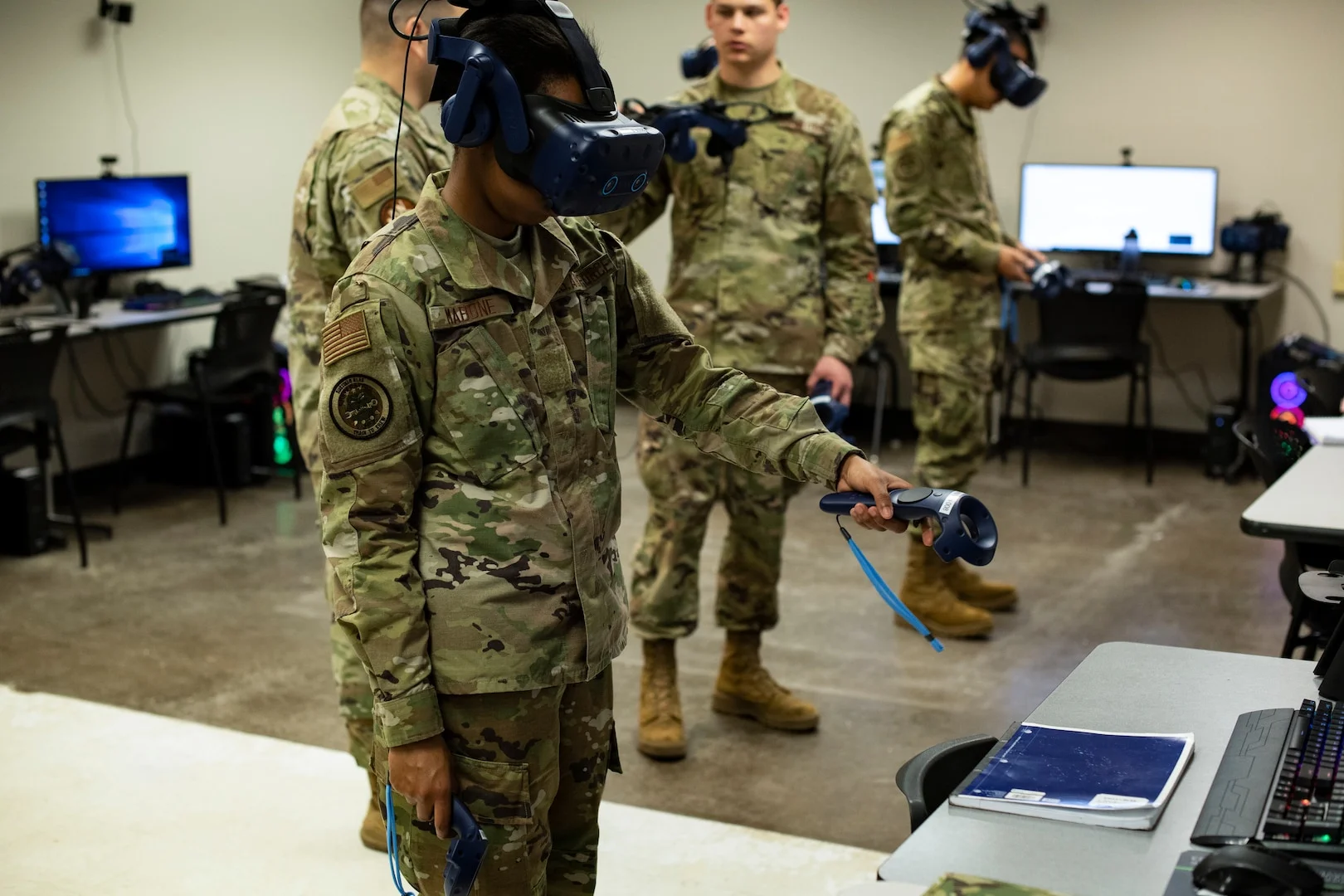
AI-powered adaptive learning systems customize learning paths to align with individual styles, preferences, and goals, thereby boosting engagement and motivation. Personalized learning experiences offer relevant feedback, transforming evaluation into a tool for growth. AI-driven virtual and augmented reality platforms create immersive environments for skill practice, enhancing relatability in learning. AI continuously adjusts content based on learner progress to sustain motivation. Virtual assistants and chatbots offer instant support, enriching the learning experience.
For further reading, explore the following resources:
FAQ Section
How Does AI for Training Personalize Learning Experiences?
AI personalizes learning by tailoring content to each individual's progress, strengths, and weaknesses. It adjusts difficulty levels and suggests resources and exercises to keep learners engaged without overwhelming them. This personalized approach allows everyone to learn at their own pace. Additionally, AI empowers even non-experts to create interactive training courses, broadening access to content creation. The instant feedback from AI aids employees in continuously improving their skills.
Main Benefits of AI for Training Evaluations
AI automates grading and assessments, freeing educators to focus more on personalized teaching. It provides data-driven insights by analyzing learner performance, which enhances the accuracy of training evaluations.
With instant, personalized feedback, continuous improvement becomes more achievable. AI-powered evaluations also identify skill gaps and adjust follow-up content, resulting in improved training outcomes.
How AI for Training Improves ROI in Corporate Programs
AI enhances training ROI by creating more engaging and personalized learning experiences. By automating administrative tasks, it reduces resource costs. AI accelerates the creation and scaling of training content, saving on development expenses. Certified AI experts can design ethical, transparent AI-based training solutions that build trust and drive real business growth.