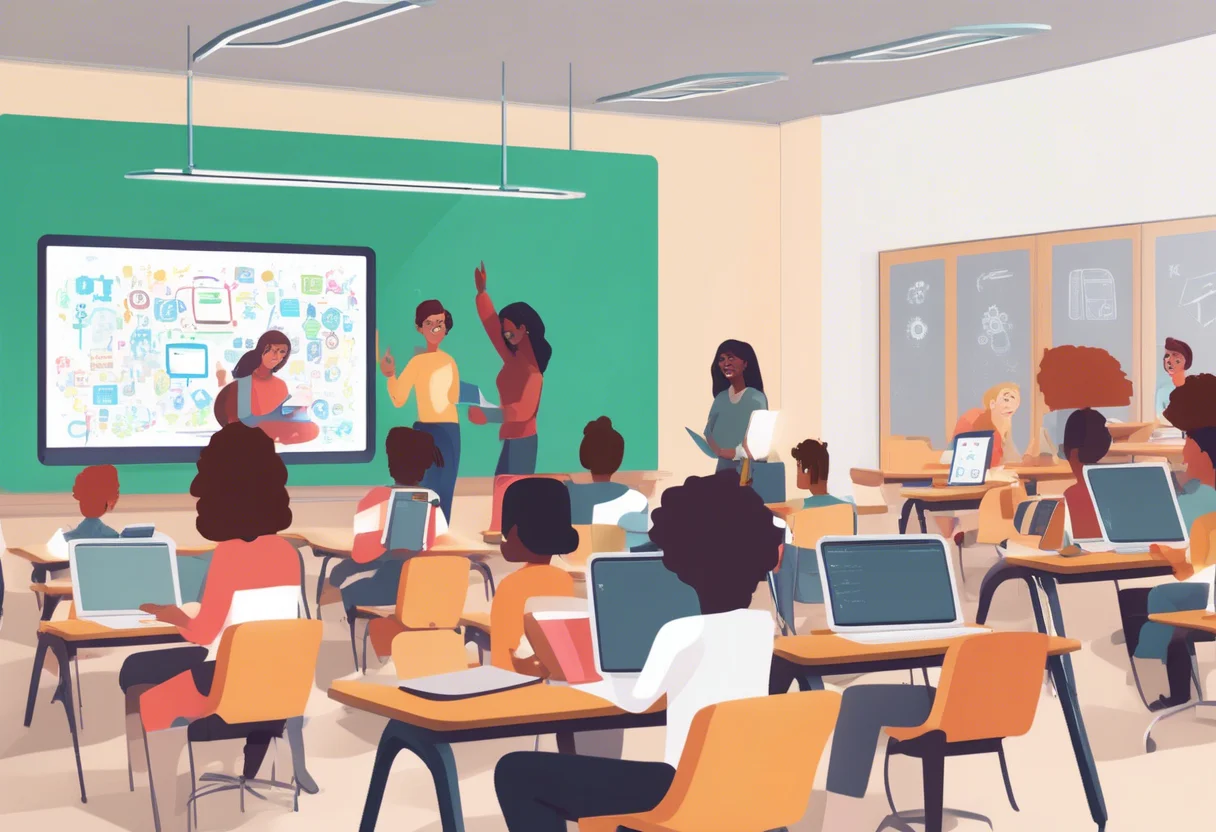
Education is changing a lot, and AI is a big part of it. Picture a classroom where learning is tailored to each student, with AI tools adjusting to their needs and pace. This isn't just some far-off idea—it's happening right now. AI is bringing big changes that can really improve how we learn and what we achieve. A recent study shows the global market for AI in education might hit $3.68 billion by 2023, highlighting its growing role. In this article, we'll look at how AI is changing education, covering its uses, benefits, challenges, and even the future of AI and human teamwork in learning. Let's see how AI is more than just a tool; it's a real game-changer in education!
Summary: Dieser Artikel beschreibt die transformative Rolle von KI im Bildungswesen, ihre praktischen Anwendungen, Vorteile und Herausforderungen sowie die zukünftige Zusammenarbeit zwischen KI und Menschen. Es wird auch auf Deepbrain AI und dessen Bildungsangebote eingegangen.
AI as a Transformative Force in Education
The Importance of AI in Modern Education Systems
AI is revolutionizing education, especially when combined with Information and Communication Technology (ICT). It personalizes learning, streamlines administrative tasks, and enhances student engagement.
With AI tools such as smart tutoring systems, predictive analytics, and natural language processing, lessons can be customized to meet each student's unique needs. This personalization provides immediate feedback and tailored assistance, boosting academic success. Moreover, AI enhances accessibility and inclusivity. Tools like virtual classrooms, chatbots, and AI-enhanced learning systems help eliminate geographical and financial barriers.
AI also accelerates feedback on assignments and quizzes, allowing students to learn from mistakes promptly and enabling teachers to identify areas needing more focus. Automated grading relieves teachers from routine tasks, allowing them to concentrate on personalized instruction and one-on-one support. Additionally, AI facilitates the creation of smart content such as automatic study sets, interactive flashcards, and adaptive study sessions, making learning both enjoyable and effective.
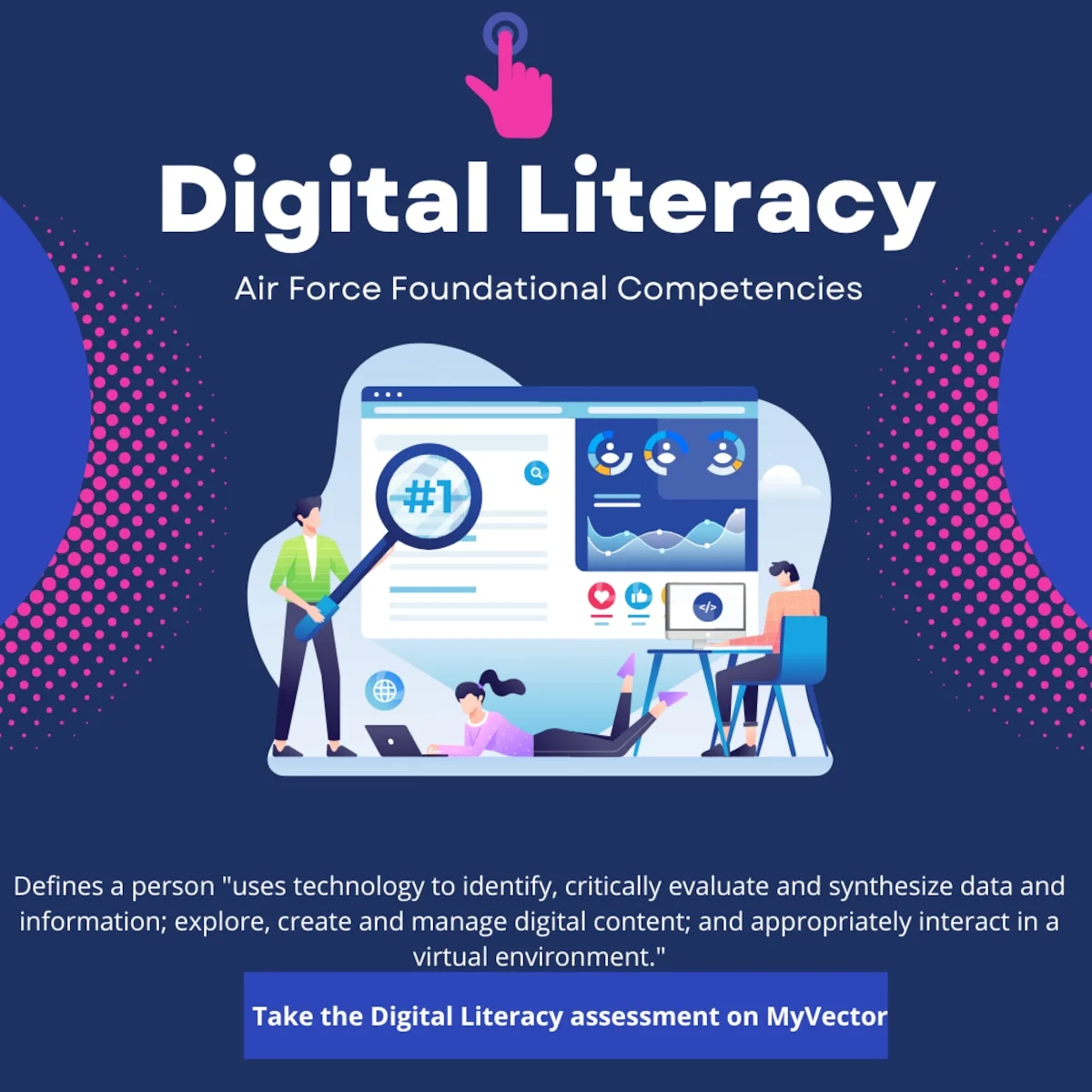
In curriculum planning, AI analyzes student performance and interests to develop syllabi that truly cater to learners' needs. However, integrating AI in education is not without challenges. Issues such as data privacy, digital literacy gaps, ethical concerns, and reduced human interaction must be addressed. Yet, when implemented responsibly, AI can foster equitable and inclusive learning environments, sustaining student engagement and supporting diverse learners.
AI's Role in Personalized Learning Experiences
AI customizes lessons to match each student's unique learning style, enhancing comprehension and motivation through personalized learning paths. AI-powered chatbots and tutoring apps are available 24/7, providing students with assistance and guidance whenever needed. Machine learning algorithms analyze student performance patterns to deliver targeted help and instant feedback, improving learning outcomes. AI tools generate personalized study sessions and interactive content that evolve with the student's progress, making learning more engaging and effective.
Personalized learning through AI helps bridge educational gaps by offering accessible and inclusive experiences for students from diverse backgrounds. For instance, a study app that creates custom flashcards and quizzes based on a student's past performance and learning pace exemplifies how AI can tailor education to individual needs.
- AI integration with ICT
- AI-powered tools
- AI enhances accessibility
- Instant feedback on assignments
- Automated grading
- Smart content creation
- Curriculum planning
- Responsible implementation of AI
- Personalized learning paths
- Machine learning algorithms
Practical Applications of AI in Education
AI Tutors and Assistants in Education
AI chatbots and virtual helpers are revolutionizing the way students receive support outside of class. These tools:
- Answer questions immediately
- Remind students of deadlines
- Guide them through administrative tasks
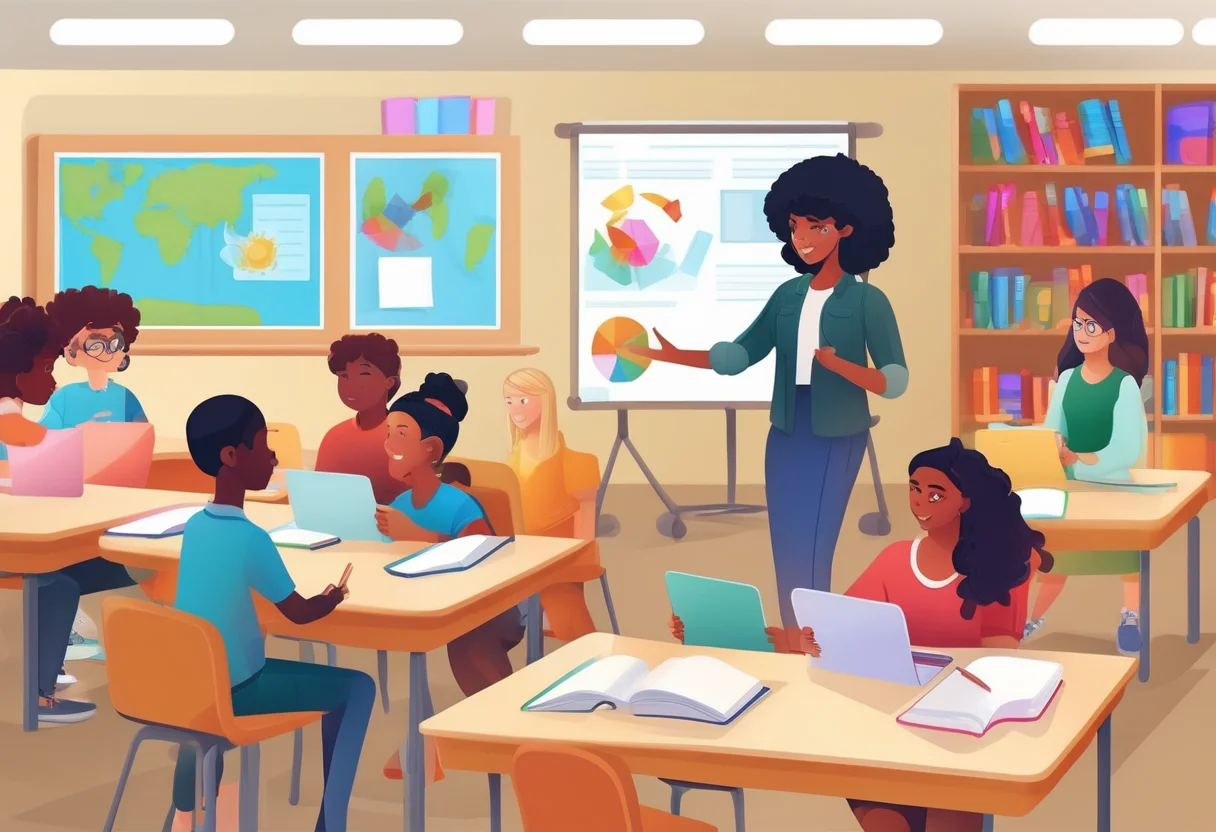
This not only boosts student engagement but also encourages independent learning. AI tutors personalize the learning experience by adapting to each student's preferred learning style, making complex topics more accessible. For instance, Khanmigo assists teachers in creating engaging tests with detailed rubrics, allowing them to focus more on student interaction.
Moreover, AI tutors play a crucial role in teaching students how to use AI responsibly. They aid in brainstorming, outlining, and conducting research—essential skills for future careers. Another example is Classcraft, which uses gamification to manage classrooms by tracking student behavior and engagement, thus fostering a better learning environment.
AI in School Administrative Automation
AI significantly simplifies school administrative tasks by:
- Automating grading and transcribing lectures
- Facilitating communication with parents
These efficiencies can reduce teacher workload by up to 42%, granting educators more time to engage directly with students. AI-powered platforms handle routine parent inquiries and disseminate school information, streamlining communication without increasing the burden on teachers.
Additionally, AI assists teachers in lesson planning by analyzing data to identify trends and gaps, ensuring curricula remain relevant. Tools like Generative AI systems can generate lesson plans in seconds, saving teachers considerable planning time. Furthermore, AI automates tasks such as report writing, providing feedback, and scheduling, allowing teachers to concentrate on personalized instruction.
AI-Driven Content Creation and Smart Learning Materials
Generative AI is transforming educational content creation. With just a few prompts, teachers can swiftly develop lessons, activities, tests, and presentations, enhancing the efficiency of instructional content creation. AI also supports the development of individualized education plans and smart content that adapts to each student's needs, thereby enhancing personalized learning.
AI platforms offer an extensive array of educational resources, supporting teacher-created content and accommodating diverse learning styles. In higher education, AI aids in crafting guides for AI use in teaching, with a focus on ethics and maintaining instructional quality. Tools like Magic School AI and Eduaide.AI assist instructors with lesson planning, test creation, and the development of educational materials tailored to student needs.
In summary, integrating AI into education enables teachers to deliver dynamic, personalized learning experiences that cater to various learning styles, thereby improving educational outcomes.
Benefits and Challenges of AI in Education
Advantages of AI in Education
Integrating AI into education offers numerous benefits, fundamentally transforming teaching and learning processes. One significant advantage is personalized learning. AI assesses each student's needs and learning pace, tailoring lessons to meet these individual requirements. This personalized approach ensures that students receive the assistance they need to progress smoothly, as Madlen highlights.
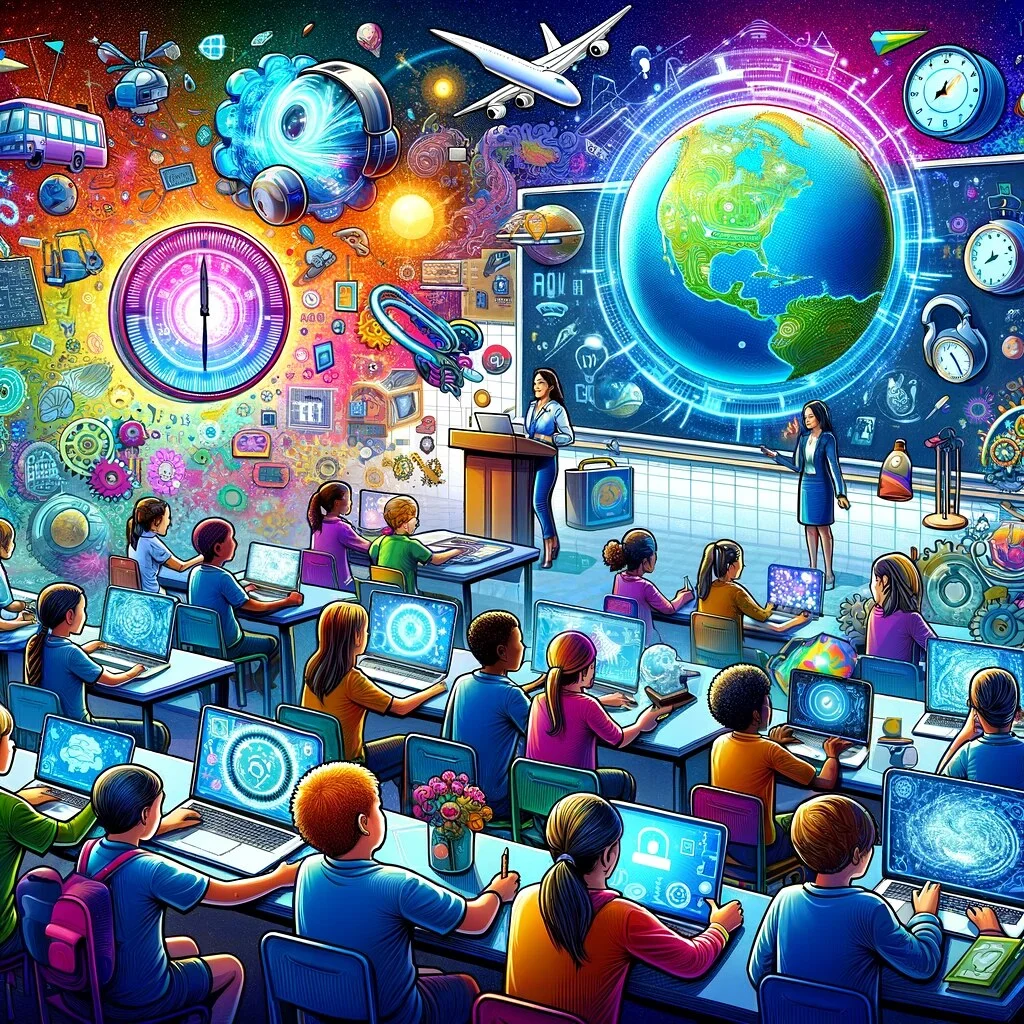
Moreover, AI helps educators save valuable time by automating tasks such as grading and lesson planning. It also provides real-time monitoring of student performance. With these tasks automated, teachers can dedicate more time to engaging with students and fostering their social skills, a point emphasized by Madlen.
In addition, AI can generate smart content by adapting lesson materials into engaging summaries, quizzes, and interactive elements. It offers deep insights, identifying students who may be struggling and enabling early intervention. AI-powered tutoring systems and chatbots provide real-time assistance and personalized learning paths, enhancing the overall educational experience.
Ethical and Societal Challenges of AI in Education
While AI presents many opportunities, it's crucial to address the ethical and societal challenges it introduces in education. A major concern is the need for extensive training and technical expertise for teachers to effectively utilize AI tools, as noted by Madlen.
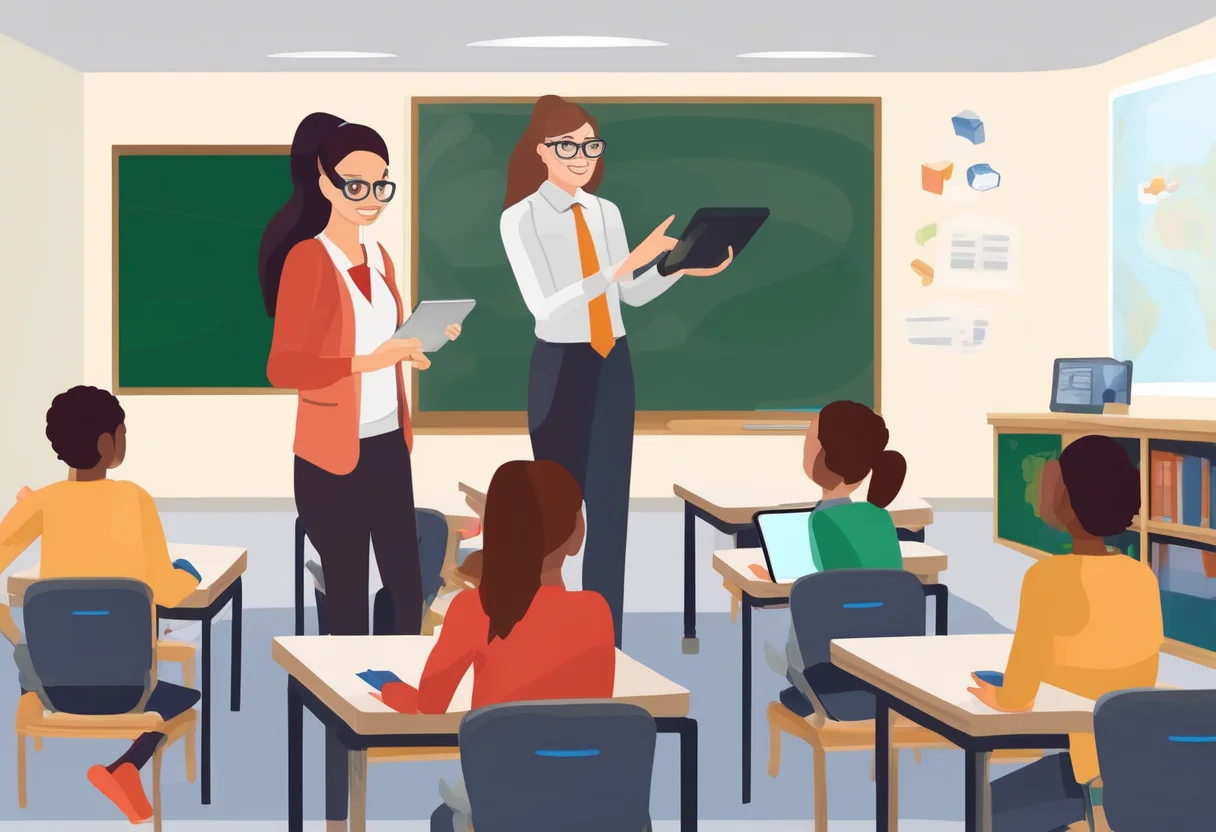
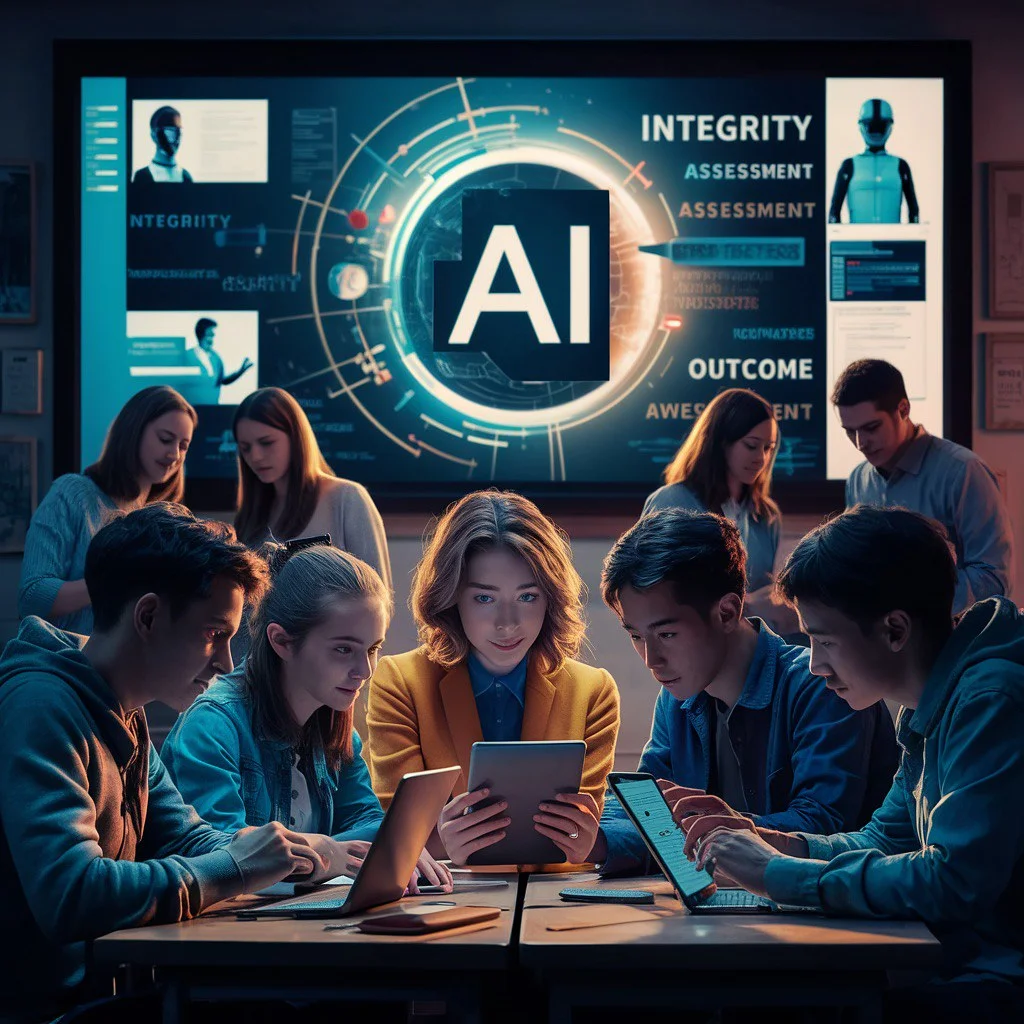
Data privacy and security are also pressing issues, given that AI collects significant amounts of sensitive student information. Robust protections and clear policies are essential in this regard. Additionally, AI tools can sometimes exhibit bias, potentially impacting certain student groups unfairly. Over-reliance on AI might also diminish critical thinking and problem-solving skills by reducing traditional learning and human interaction.
Furthermore, the use of AI could lead to decreased face-to-face interaction, potentially resulting in student loneliness and weakened social skills. The cost of implementing and maintaining AI systems can be a significant barrier for schools with limited resources, hindering equal access to AI's benefits. Concerns about job loss also persist; however, by training teachers to collaborate with AI, we can alleviate these concerns and achieve better educational outcomes. To ensure ethical AI use, safeguards and monitoring are necessary to prevent misuse and maintain transparency in AI-generated content.
Future Outlook: AI and Human Collaboration in Education
The Evolving Role of Educators with AI
With AI weaving its way into classrooms, teachers are experiencing significant changes in their roles. Rather than merely utilizing AI, educators are collaborating with it. This partnership allows teachers to concentrate on human-centric skills such as creativity, empathy, and intuition, while AI manages data and logistical details.
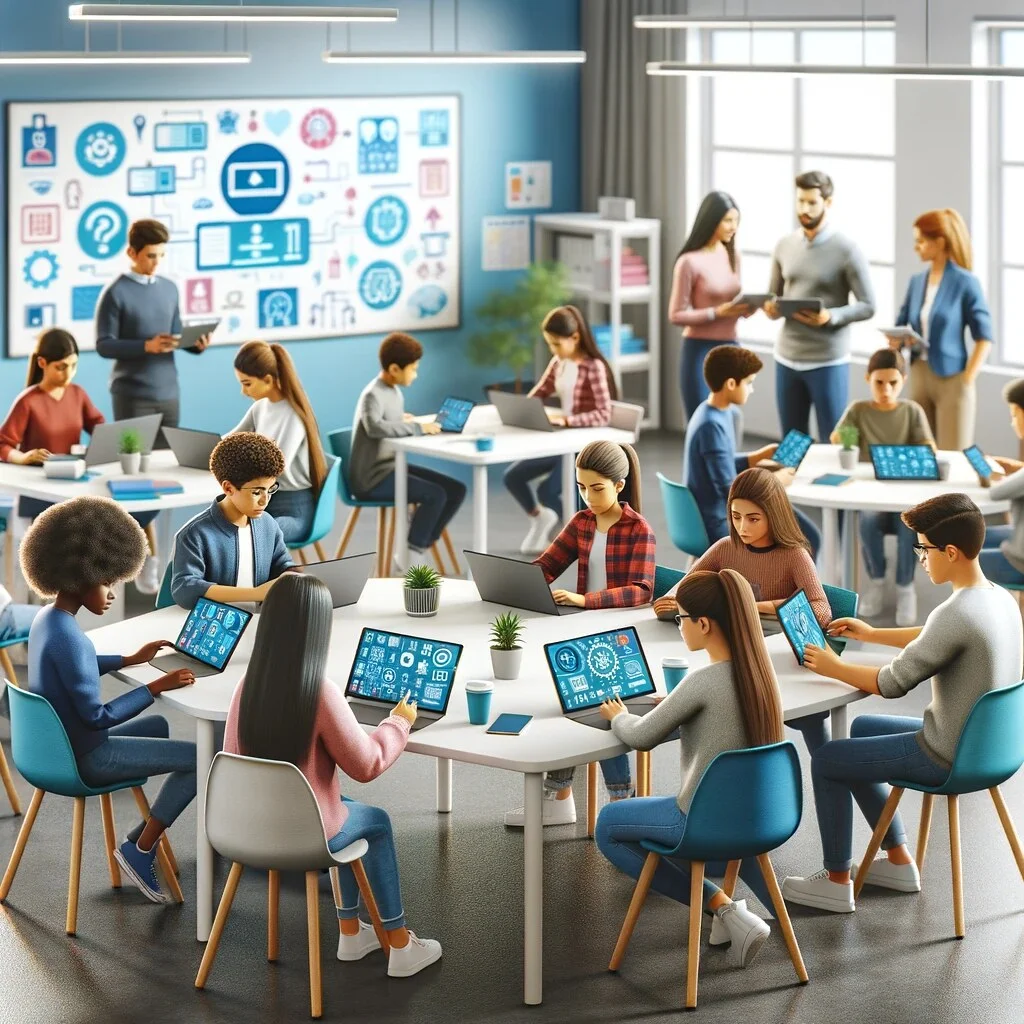
The primary objective is to equip students with real-world skills, particularly the soft skills necessary for effective collaboration with AI. For instance, a teacher might employ AI to customize learning plans but will still be essential in fostering critical thinking and emotional growth—areas where AI falls short. By integrating AI, educators can enhance their teaching methods, making learning more engaging and personalized.
Investment and Infrastructure Needs for AI in Education
To fully leverage AI in education, schools must invest in appropriate tools and infrastructure. This involves acquiring AI tools that enhance both teaching and learning experiences. Essential systems should support AI-driven collaboration, such as virtual meetings and automated administrative tasks, to streamline operations.
Establishing ethical AI guidelines is crucial to ensure responsible use and to mitigate bias. Schools need systems capable of collecting and analyzing data to facilitate the growth of both AI and human skills. For example, a school district might implement AI platforms to monitor student progress and teacher performance, all underpinned by ethical oversight. By prioritizing infrastructure and training, the education sector can harness AI's full potential, enhancing learning outcomes and preparing students for a future where AI plays a pivotal role.
Deepbrain AI and Its Educational Solutions
🎥 Introduction to Deepbrain AI for Educational Video Creation
DeepBrain AI is a platform that leverages artificial intelligence to simplify video creation. It allows you to produce professional-grade videos without the need for cameras, actors, or costly equipment. The platform features AI avatars that closely resemble real humans, with synchronized lip movements, facial expressions, and speech in over 80 languages.
Using advanced tools like generative adversarial networks (GANs) and natural language processing, DeepBrain AI creates avatars that achieve a 96.5% similarity to real footage. It also integrates seamlessly with platforms such as ChatGPT for automatic script writing, enhancing video production efficiency. The system continuously learns from interactions, improving in accuracy and performance over time.
📚 AI Studios and Educational Tools for AI in Education
DeepBrain AI Studios is designed to assist schools and content creators in transforming text scripts into e-learning videos featuring realistic AI avatars. This innovation makes learning more personalized and accessible. The platform offers:
- Ready-to-use templates
- AI script assistance
- Multi-language dubbing

These features simplify the production of engaging educational content, making it ideal for creating virtual tutors and instructional videos. By automating video production, DeepBrain AI saves time and resources, allowing educators to focus on content quality and student interaction.
🏫 Real-World Applications of AI in Education
For instance, Sinbong Elementary School in Seoul utilizes DeepBrain AI's AI Tutors to enhance lessons with video, providing students with personalized support. Similarly, Hyein Girls' Middle School employs these tools for special AI classes, aiding students in learning about generative AI and developing digital skills.
🚀 Key Benefits of AI in Education
- Enhanced Engagement: Custom avatars and conversational AI create an interactive learning experience.
- Resource Efficiency: Automates video production, saving time and money.
- Improved Accessibility: Offers tailored learning and better resource access.
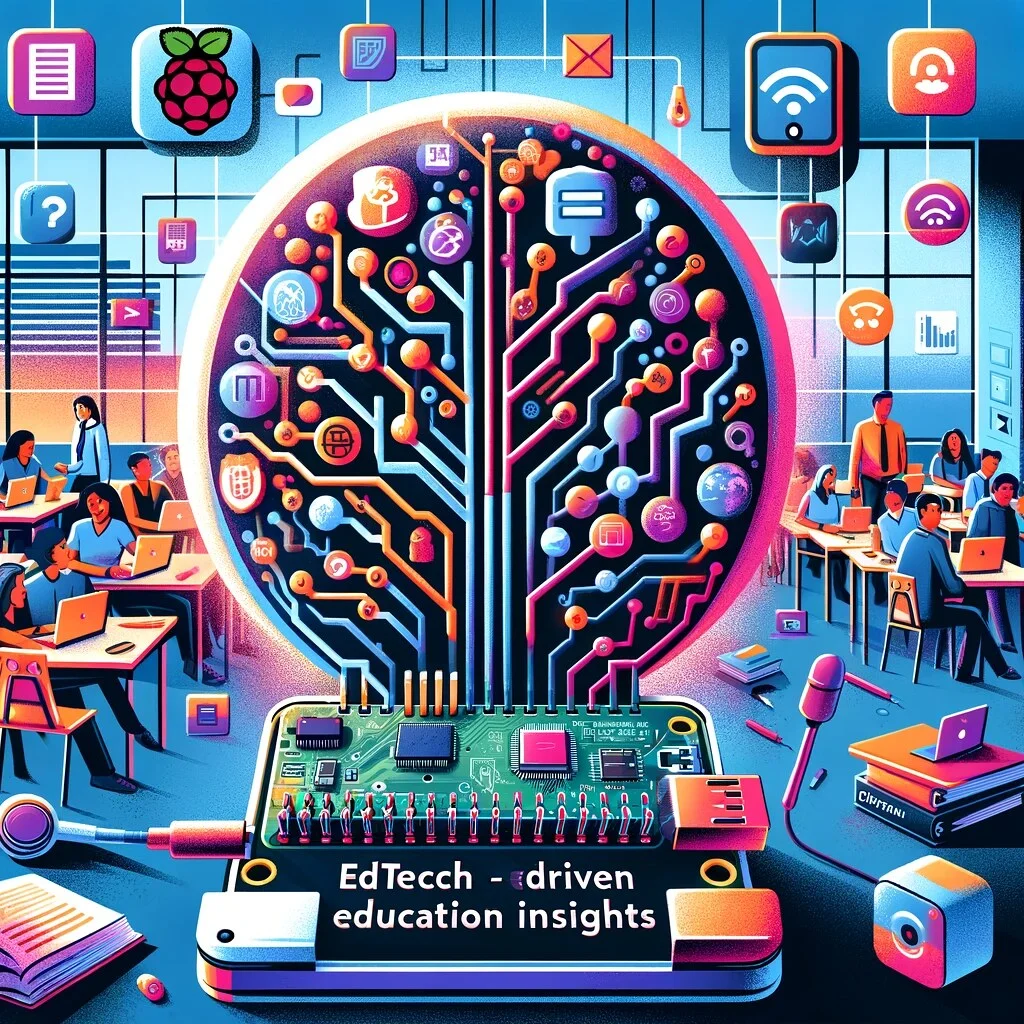
DeepBrain AI blends human interaction with digital reach, revolutionizing educational content creation and delivery.
AI in Education: FAQ Section
How Does AI Improve Student Engagement in Classrooms?
AI can significantly enhance student engagement by personalizing learning experiences. It adapts lessons to fit each student's unique needs and learning style, making education more relatable and effective. For instance, AI-powered language apps provide instant feedback and adjust exercise difficulty, keeping students motivated and engaged. Learn more about this here.
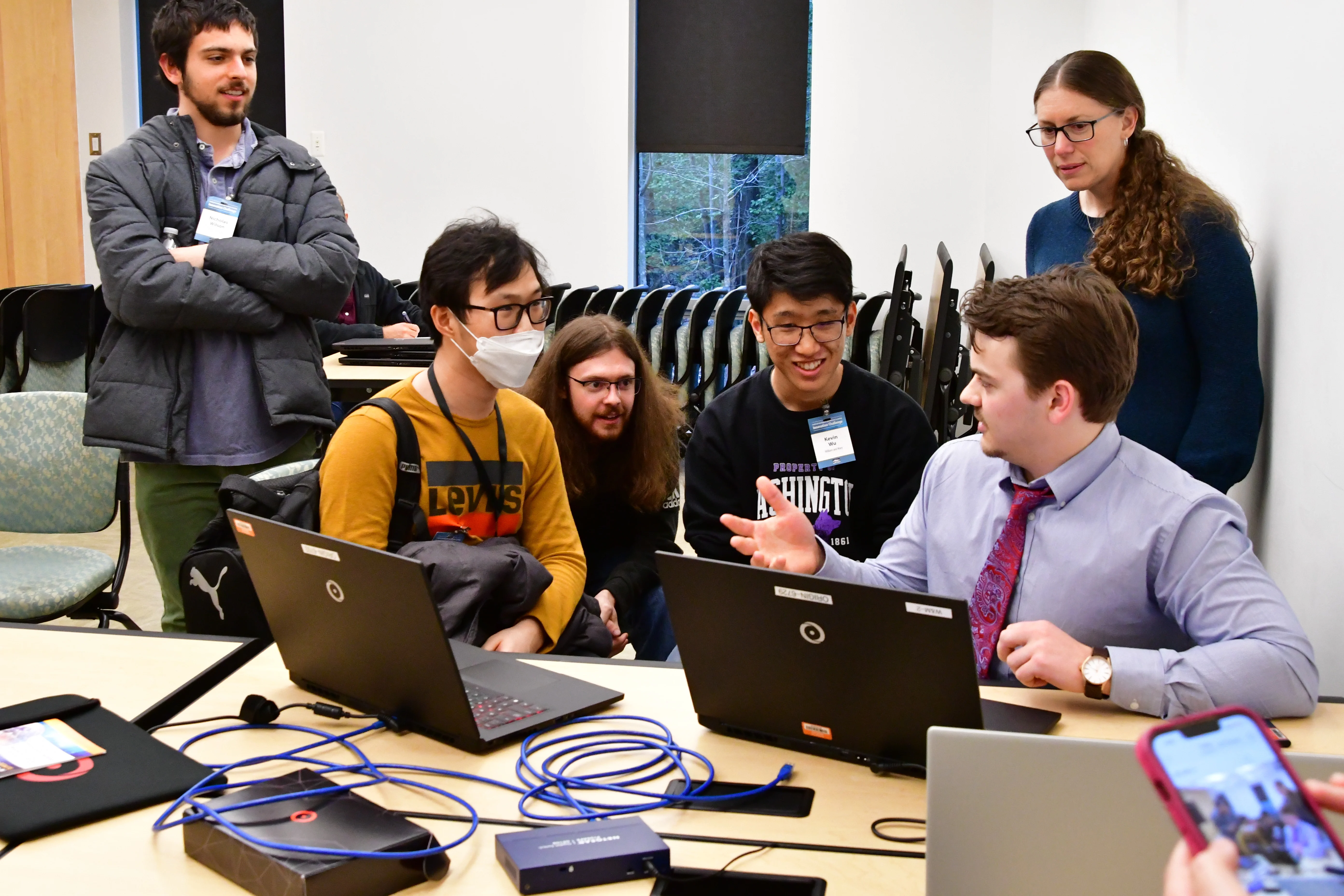
Moreover, when AI takes over administrative tasks, teachers have more time to focus on building relationships and developing students' social skills, which is crucial for engagement. Discover more about AI's impact on education here.
AI also facilitates swift communication between students and teachers, ensuring timely help and feedback. For further reading, check out this source.
What Are the Main Challenges of Integrating AI into Education?
Integrating AI into education presents several significant challenges:
- Privacy and Data Security: AI requires access to sensitive student information, necessitating stringent data protection measures. More details can be found here.
-
Bias in AI: There's a risk of AI systems producing biased outcomes if trained on skewed data. Explore this issue here.
-
Cost: Implementing and maintaining AI systems can be costly, especially for schools with limited budgets. Learn more here.
-
Over-reliance on AI: Excessive dependence on AI might stifle creativity and critical thinking, as students may rely on easy answers rather than engaging in deep thinking. More insights are available here.
-
Tech Overload: Too much technology can lead to student stress and reduced social interaction, negatively impacting social skills. Further reading can be found here.
How Can AI Help in Personalizing Learning for Students?
AI personalizes learning by analyzing vast amounts of data to tailor educational paths according to each student's pace and progress. This customization enhances teaching effectiveness and boosts student confidence. For more information, visit this source.

AI also significantly aids students with disabilities by providing tools like text-to-speech for the visually impaired and speech-to-text for those with hearing impairments, supporting inclusive education. Find out more here.
By offering personalized feedback and resources, AI enables teachers to identify areas needing improvement and adjust their teaching strategies accordingly. This ensures students receive the right balance of challenge and support, greatly benefiting their learning journey. More details can be found here.