Imagine turning a simple text document into an interactive e-learning course in just minutes. That's what Text to Course AI can do, and it's changing how we think about online education. The e-learning market is expected to hit $375 billion by 2026, and AI is a big part of that growth. In this piece, we'll look at how Text to Course AI works, what benefits it brings, and where it's being used today. Whether you're a teacher, a corporate trainer, or someone who loves learning, getting to know this tech can open up new ways to share knowledge and build skills. Let's explore AI-driven education and see how it can change our learning and teaching methods.
Summary: Este artículo describe el proceso de convertir texto en cursos de aprendizaje electrónico utilizando IA, destacando sus beneficios, casos de uso prácticos y desafíos. También aborda preguntas frecuentes sobre el uso de la IA para transformar texto en contenido educativo.
Understanding Text to Course AI Technology
Defining Text to Course AI
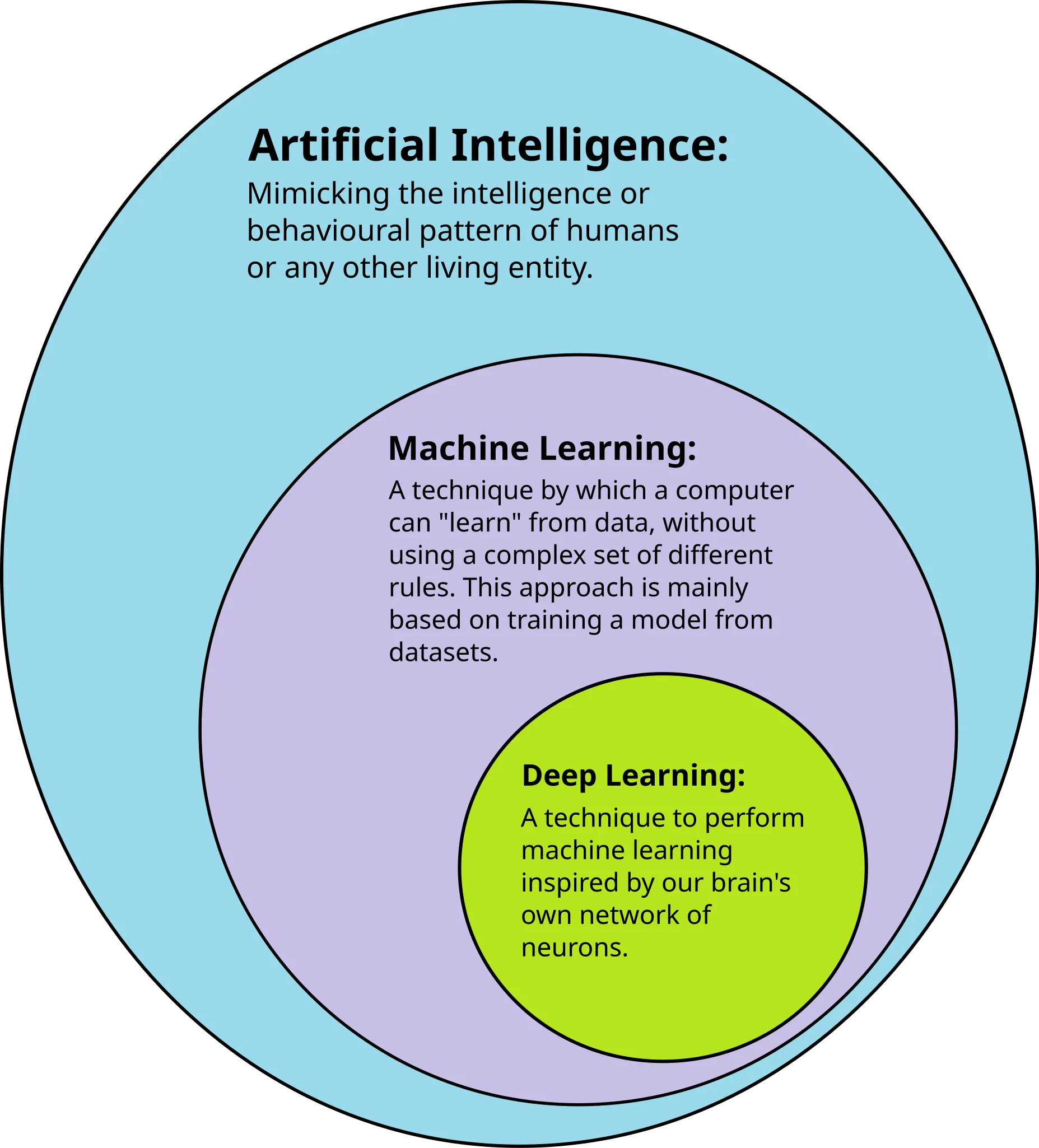
Text to Course AI is an innovative tool that transforms written inputs, such as course descriptions and keywords, into comprehensive educational content. This technology leverages AI models, particularly large language models, to deconstruct and organize text into various course elements like summaries and learning objectives. By utilizing natural language processing (NLP), it generates text that mimics human writing. However, it's important to note that while it predicts text based on data, it lacks genuine understanding or creativity. A practical example of this technology in action is Skilljar's AI feature, which aids course creators by generating course descriptions and objectives from longer texts, lesson titles, and keywords, thereby expediting the content creation process.
Core Elements of Text to Course AI
Role of Natural Language Processing in Text to Course AI
NLP is the cornerstone of Text to Course AI. It performs a variety of tasks, including:
- Summarization: Converts lengthy descriptions into concise outlines or objectives.
- Key Phrase Extraction: Identifies crucial terms to guide content creation and organization.
- Topic Sorting and Metadata Enhancement: Organizes topics and extracts essential details for improved metadata.
Impact of Large Language Models on Course Content Creation
LLMs are trained on vast datasets and play a pivotal role in generating clear and pertinent course content rapidly. They simplify the process of creating engaging learning experiences by reducing the need for extensive manual effort.
Importance of User Interaction in AI-Generated Content
Typically, there is a user interface where course creators can review, modify, and approve the AI-generated content. This step is critical to ensure the quality and relevance of the content. It also provides the opportunity for customization to address specific requirements.
In practice, a Text to Course AI might analyze a course syllabus, extract key phrases such as 'data analysis' and 'Python programming', summarize learning objectives, and draft a polished course description for educators to refine before publication.
Transforming Text into E-Learning Courses with AI
Step-by-Step Text to Course AI Conversion
Turning text into engaging e-learning courses is a step-by-step process, and AI technology plays a crucial role in this transformation.
1. Upload Your Files:
Begin by uploading your files—such as DOC, DOCX, PDF, PPT, and TXT—to an AI platform like JollyDeck. This tool helps convert your documents into structured e-learning content.
2. Define Course Starting Points:
Identify your audience and determine their learning needs. These details shape the course. An AI assistant will then create a course outline from your documents, organizing content, images, and interactive elements into a draft.
3. Review the Outline:
Examine the outline to ensure it aligns with your goals. Once satisfied, the AI designs the slides and overall structure. The content becomes interactive modules, which you can enhance with multimedia, layouts, and quizzes using platforms like Arlo.
4. Final Review and Edit:
The last step involves reviewing and editing the course to match the style, tone, and complexity that best suits your learners' needs.
AI's Role in E-Learning Content Generation
AI is instrumental in creating content. It analyzes your source documents, extracts key information, and organizes it into a course structure. This includes building outlines that define learning units, texts, and methods, all tailored to your audience.
Customization and Multilingual Support:
AI allows customization of the course’s style, tone, length, and complexity, making it adaptable to different learners. It can also manage multilingual courses by translating content and handling terms with glossaries.

Efficiency and Quality in AI Course Creation:
By automating content extraction and initial course creation, AI reduces production time and eases the workload for authors, while still allowing them to control the final product. This ensures that courses are not only quick to create but also of high quality. Tools like KI-KAI can even generate full online courses with questions and feedback with minimal input from you.
Benefits of Using Text to Course AI
Boosting Productivity and Efficiency with Text to Course AI
AI is revolutionizing education by significantly reducing the time teachers spend on creating course materials and lesson plans. Utilizing smart algorithms, AI transforms text into structured courses, complete with lessons, tests, and interactive elements. By automating tasks such as grading and feedback, AI tools allow educators to concentrate more on teaching and student engagement.
Tools like Grammarly facilitate easier proofreading and grading, enhancing productivity and communication clarity. Additionally, AI streamlines administrative tasks by handling routine activities like reminders and common inquiries, enabling educators to focus on more strategic objectives.

Improving Quality and Engagement with Text to Course AI
AI enhances education quality by personalizing learning to accommodate each student's needs, style, and pace, thereby improving comprehension and engagement. Platforms such as Khan Academy's Khanmigo and DreamBox tailor lessons according to student performance. AI-driven assessments dynamically adjust question difficulty, keeping students motivated and aiding in concept mastery.
AI tutors offer personalized support around the clock, making learning accessible beyond the traditional classroom setting. Furthermore, AI customizes communication by dispatching relevant reminders and resources based on student data, strengthening the connection between students and educational institutions.

South Korea's Ministry of Education plans to employ AI-powered digital textbooks to provide personalized learning experiences. This approach allows students to learn at their own pace and addresses educational inequality by reducing the reliance on private tutoring.
Practical Use Cases and Examples
Real-World Applications of Text to Course AI Technology
AI tools are revolutionizing the creation of online courses by automating the building of course structures, designing questions, and organizing content. This innovation empowers even non-experts to easily develop educational materials. Platforms are now capable of transforming text into comprehensive courses. Learn more.
Text to course AI also personalizes lesson plans by analyzing student data, such as past grades and skills, to tailor to individual needs. This customization keeps students engaged and supports those requiring additional assistance. Discover more.
Generative AI in Course Design and Development
Generative AI excels in enhancing course design by identifying content gaps and suggesting improvements. It incorporates videos and interactive elements to maintain learner engagement. Explore further.

Moreover, AI tools can transform outdated documents into modern, interactive digital formats, facilitating content reuse and modernization. Read more.
AI also aids in creating quizzes, assignments, study guides, and textbooks from text, significantly reducing development time while enhancing quality. Find out more.
AI-Powered Feedback and Learning Analytics
AI-powered platforms offer instant feedback and analytics on learner performance, enabling educators to refine course content and personalize learning paths. Learn more.
Tools like ChatGPT provide interactive learning experiences, answer questions, and generate discussion topics, effectively serving as virtual teaching assistants. Discover more.
Deepbrain AI and AI Studios for Text to Course Conversion
Deepbrain AI's AI Studios leverages text-to-video technology to create video courses and presentations from scripts or text, delivering content dynamically with virtual presenters. Learn more.
AI Studios accelerates the production of educational videos by converting text into engaging videos with customizable avatars and voices, optimizing both time and cost. Explore further.

The platform also adapts videos to various languages and audience preferences using AI for synthesis and dubbing. Read more.
Deepbrain AI technology integrates with learning management systems to facilitate the seamless deployment of AI-generated courses and track learner progress. Discover more.
This demonstrates how text to course AI not only streamlines course creation but also enhances accessibility, personalization, and engagement in education globally.
Challenges and Considerations
Key Challenges in Text to Course AI Implementation
Implementing text-to-course AI isn't without its hurdles. The primary challenges stem from the limitations of generative AI models:
- Bias in AI Models: These models can produce biased responses if they are trained on biased data, potentially leading to content that is unfair or perpetuates stereotypes.
- AI Hallucinations: AI can generate content that is incorrect or nonsensical, known as "hallucinations," which can introduce misinformation into educational materials.
- Lack of Creativity and Memory: AI lacks long-term memory and genuine creativity, which means it cannot recall past interactions or generate truly original ideas.
Another issue is the over-reliance on AI for course creation. This dependency might:
- Reduce student engagement.
- Diminish decision-making skills.
- Decrease overall enjoyment of learning.
AI-generated content may not always align with the creator's intentions, resulting in inconsistent or off-target material that requires human intervention. Additionally, there are concerns regarding copyright and intellectual property, as AI often utilizes uncredited works, raising questions about data usage and credit allocation. For more insights into these challenges, explore the NWP Learning Commons.
Ethical and Quality Assurance in Text to Course AI
Ethical considerations are paramount in the use of text-to-course AI:
- Privacy and Data Security: AI systems handle personal data, posing risks of data leaks or unauthorized access.
- Bias and Fairness: Bias in AI can disproportionately affect non-native English speakers or underrepresented groups, leading to unfair academic outcomes.
- Academic Integrity: Over-reliance on AI content can undermine academic integrity by promoting plagiarism or diminishing students' critical thinking and creativity.

To ensure ethical use and prevent misuse, it's essential to have:
- Clear Policies: Establish guidelines for AI authorship transparency and data sourcing.
- Human Oversight: Monitor AI-generated content to maintain academic standards.
- Equal Access: Ensure equitable access to AI technologies in education.
Ongoing monitoring and evaluation are crucial to uphold academic standards. For further exploration of ethical considerations, visit the University of Reading LibGuide.
FAQs on Text to Course AI
Personalizing E-Learning Courses with Text to Course AI
AI tools are revolutionizing the personalization of e-learning courses by transforming traditional training materials into interactive experiences tailored to each learner. These tools can convert static formats, like PDFs, into courses that align with specific learning goals and styles. They adjust the tone, look, and layout to meet individual needs.
With AI, course content becomes more relevant and personal, crafted based on user requirements. For instance, an instructor with a PDF of training materials can use AI to reshape it into an interactive course for beginners, complete with AI-generated learning goals.
AI also assists in developing learning objectives and course descriptions by analyzing content and key terms. This ensures that each learner receives material suited to their pace and understanding, enhancing engagement and success.
Benefits of Using Text to Course AI for Interactive Content Creation
Leveraging AI for creating interactive e-learning content offers numerous advantages:
- Efficiency: AI reduces the time and effort required to build courses by swiftly converting documents into interactive formats.
- Quality: Automation leads to polished layouts and well-designed templates, elevating course quality.
- Relevance and Engagement: AI generates course descriptions, learning goals, and lesson summaries from a comprehensive analysis of the materials, making content more engaging.
Generative AI models employ deep learning and natural language processing to craft original, context-aware text, making courses dynamic and interactive. These tools empower creators, allowing them to review and refine AI-generated content to maintain high educational standards. For example, a course developer might use AI to automatically create lesson descriptions and quizzes, saving time while enhancing learner engagement with customized, high-quality content.
Translating E-Learning Courses with Text to Course AI
While specific details on AI translation weren't found, generative AI and large language models can translate text by predicting language patterns. AI translation tools can be integrated into e-learning platforms to convert course materials, including text and multimedia captions, into various languages, accommodating diverse learners.
These AI models can automatically translate course text and subtitles into languages like Spanish and French, making content accessible to non-English speakers. However, it's essential to remember that while AI can handle most translation tasks, human oversight is crucial to ensure accuracy and cultural sensitivity. AI also supports text-to-speech and captioning, enhancing accessibility and inclusivity for all learners.