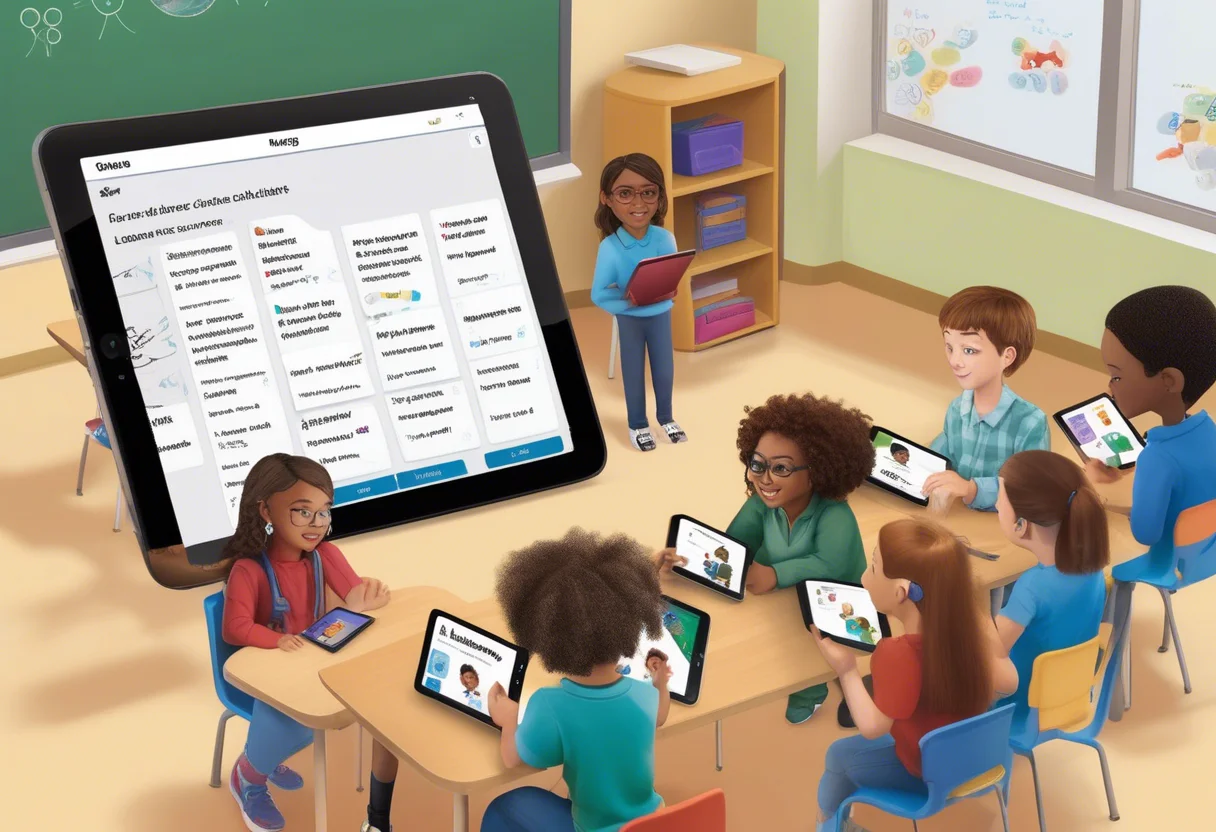
Imagine your online courses not only grabbing attention but really involving students like never before. As educators and course creators, we're always on the lookout for fresh ways to make our online courses click with learners. That's where Artificial Intelligence (AI) steps in. It's changing the game in online education. A recent study shows AI tools can boost student engagement by up to 40%! In this post, we'll look at how AI can take your courses from just okay to amazing. We'll cover AI's key role in keeping students engaged, show you how to implement it step-by-step, and discuss common challenges you might face. Whether you're a pro educator or just starting out in online teaching, this intro will help you understand how to use AI to keep your students not just showing up, but really getting involved and doing well. Let's get started!
Understanding AI's Impact on Engagement in Online Courses
How AI Enhances Online Course Creation
AI in online education leverages smart technology to make learning more personalized and engaging. It tailors lessons to fit each student's needs, fostering a more inclusive and interactive learning environment. With generative AI, educators can:
- Set personalized learning goals
- Create diverse assessments
- Provide tailored feedback for each student
This technology adapts lessons based on student responses, offering hints and personalized questions to maintain interest. AI tools act like study companions, allowing students to learn at their own pace and receive immediate feedback, thereby enhancing their confidence and independence.
Platforms such as Scribe and Mini Course Generator simplify course creation by automating content and interactive features.
The Importance of Engagement in Creating Online Courses
Engagement is crucial in online learning as it reflects student focus and interest, directly impacting their learning outcomes. AI transforms mundane content into engaging, interactive experiences, keeping students motivated and appropriately challenged. Through gamification and difficulty adjustment based on student performance, AI maintains an optimal learning zone.
Personalized reward systems powered by AI offer:
- Badges
- Progress charts
- Leaderboards
These elements are tailored to individual student motivations.

AI-powered classroom management tools monitor attendance and participation, enabling teachers to identify students who may require additional support. Additionally, AI-generated quizzes boast an 80% higher completion rate, resulting in more students completing them and succeeding in their courses.
Step-by-Step: Implementing AI to Enhance Online Course Engagement
Assess Course Goals and Learner Needs
Define Learning Objectives for AI Integration
Setting clear learning objectives is essential for any online course. They act as a roadmap, guiding both teachers and students on what to expect. By making these objectives specific, measurable, achievable, relevant, and time-bound (SMART), you align AI tools effectively with them. This ensures that the AI used is purposeful and enhances engagement. It not only sets the course's direction but also helps in selecting the right AI technology to meet these goals source.

Analyze Student Profiles for AI-Enhanced Engagement
Knowing your students is crucial for tailoring courses and maintaining engagement. By examining their motivation, learning styles, and challenges, you can adjust AI tools to meet their needs. Some students thrive in interactive settings, while others prefer structured, text-based content. Understanding these differences allows you to use AI to break down engagement barriers, ensuring the course resonates with everyone source.
Select AI Tools Aligned with Engagement Goals
Choose AI Technologies for Interactive Learning
Selecting AI technologies that foster interactive learning helps maintain student interest. Tools like adaptive feedback systems and scenario generators create dynamic learning environments requiring active participation. They simulate real-life scenarios, providing students with hands-on experiences that reinforce learning. Additionally, AI platforms offering instant feedback and personalized learning paths keep students motivated source.

Implement AI-Driven Tools for Enhanced Learning
AI-driven scenario generators and chatbots can significantly enhance the learning experience. Scenario generators create immersive learning situations, encouraging students to apply their knowledge. Meanwhile, AI chatbots function as virtual teaching assistants, providing quick answers and guiding students through the material. These tools keep learners engaged and supported throughout their journey source.
Design AI-Supported Interactive Learning Activities
Develop Adaptive Content with AI
AI facilitates the creation of content that adapts to student responses, maintaining both intellectual and emotional engagement. Using AI algorithms, you can design activities that adjust in complexity based on student performance. For instance, an AI-powered quiz might become more challenging as a student's skills improve or offer additional support if they're struggling. This adaptability ensures a personalized learning experience source.
Enhance Engagement with AI-Personalized Simulations
Incorporating personalized follow-up questions and simulations can greatly enhance engagement. AI analyzes student performance to tailor questions that reinforce learning or address gaps. AI-powered simulations mimic real-life scenarios, allowing students to apply their knowledge in practical settings. These elements deepen understanding and maintain student interest source.
Use AI to Monitor and Analyze Student Engagement
Monitor Engagement with AI Indicators
AI can monitor engagement by analyzing indicators such as facial expressions and participation rates during online sessions. This real-time data reveals how students interact with the material. If AI detects signs of confusion or disengagement, it can alert instructors to intervene. This proactive approach ensures students remain engaged and receive the necessary support source.

Leverage Real-Time AI Insights for Course Management
Real-time insights from AI can transform how instructors manage online courses. By continuously monitoring student engagement, AI can identify patterns indicating issues or opportunities for improvement. Instructors can use this information to adjust their methods, provide additional resources, or introduce new activities to re-engage students. This keeps the course relevant and effective source.
Leverage AI Feedback to Adjust Instruction Dynamically
Modify Teaching with AI Alerts
AI alerts provide instructors with valuable feedback, enabling them to adjust their teaching in real-time. For example, if AI detects many students struggling with a concept, it can prompt the instructor to revisit the topic or offer additional resources. This immediate feedback loop addresses issues as they arise, keeping students engaged and on track source.
Enhance Content with AI Recommendations
AI analyzes student interaction data to suggest more engaging content tailored to their needs. If students prefer videos over text, AI might recommend adding more multimedia elements. By aligning content with student interests and learning styles, instructors can create a more engaging and effective experience source.
Incorporate Gamification with AI for Motivation
Implement AI-Driven Gamification Strategies
Gamification incorporates game design elements to enhance learning. AI can power these by creating challenges, leaderboards, and badges that motivate students. AI-driven gamification fosters a competitive yet collaborative environment, encouraging active participation and striving for excellence source.
Personalize Gamified Learning with AI
AI can adjust the difficulty of gamified elements to match each student's skill level, ensuring challenges remain stimulating without overwhelming them. AI can also customize rewards to align with individual motivations, such as offering badges for completing tasks or real-world incentives for achieving milestones. This personalization keeps students motivated source.
Generate Personalized Content with AI
Develop Customized Course Materials with AI
AI can assist in creating personalized materials that cater to different learning preferences. By analyzing student data, AI can generate customized scripts, presentations, and multimedia content that resonate with learners. Whether crafting a narrative that aligns with a student's interests or designing visuals for better understanding, AI-generated content makes learning more engaging source.
Support Diverse Learning Styles with AI Content
Students learn in diverse ways, and AI can accommodate these variations. By generating content for visual, auditory, and kinesthetic learners, AI ensures all students have access to materials that suit their methods. AI can create simulations for hands-on learners or audio summaries for auditory learners, maximizing engagement and outcomes source.
Evaluate and Refine AI Integration Continuously
Analyze Engagement Data for Continuous Improvement
Continuous evaluation is critical to optimizing AI in online courses. Regularly collecting and analyzing engagement data reveals insights into student behavior and areas for improvement. By maintaining a feedback loop, instructors can enhance the course to better meet student needs source.
Refine Courses with AI-Driven Insights
Utilize insights from engagement data to make iterative improvements to course design and AI applications. This might involve refining AI algorithms, updating content, or experimenting with new AI tools. By continuously improving, courses remain relevant, engaging, and effective source.
Ensure Ethical and Evidence-Based Use of AI
Align AI with Instructional Best Practices
Aligning AI usage with best instructional practices ensures it enhances learning. This involves selecting AI tools that support pedagogical goals, being transparent about AI's role, and ensuring interventions are evidence-based. By adhering to these principles, instructors can use AI responsibly source.
Promote Privacy and Inclusivity in AI Integration
AI integration must respect privacy and promote inclusivity. Ensure AI tools comply with data protection regulations and inform students about data use. Create an inclusive environment by making AI accessible to all students, regardless of background or abilities. Prioritizing ethics and inclusivity fosters a supportive and fair learning environment source.
Personalization of Learning Experiences
Personalizing learning experiences is a significant advantage of AI. By analyzing student data, AI can tailor content, assessments, and feedback to individual needs. This ensures each student receives a unique experience that aligns with their goals and style, keeping them engaged and encouraging ownership of their learning source.
Real-Time Feedback and Assessment
AI's capability to provide real-time feedback is transformative for online education. By offering immediate insights into performance, AI helps instructors address issues quickly and provide targeted support. This feedback loop enables students to understand their progress and areas for improvement, making learning more interactive source.
Gamification and Interactive Learning
Gamification and interactive learning significantly boost engagement. By incorporating game-like elements and activities, instructors create a dynamic and motivating experience. AI enhances these by personalizing challenges and rewards, ensuring students remain engaged and motivated throughout the course source.
Adaptive Learning Technologies
Adaptive learning technologies powered by AI offer a personalized education approach. By continuously analyzing performance, these technologies adjust the learning path to fit individual needs, ensuring the right level of challenge and support. This adaptability enhances engagement and improves outcomes by providing a customized learning experience source.
Overcoming Common AI Implementation Challenges
Balancing AI and Human Interaction in Online Courses
Relying too much on AI in education can negatively impact critical thinking and lead to cheating, which can undermine both learning and the system's integrity. Over-reliance on AI might also result in issues like system crashes. Additionally, AI-driven learning can hinder students' social skills, which are essential for success. AI tools cannot provide the same personal touch as a real-life teacher.

Therefore, it's crucial for educators to integrate AI with traditional teaching methods, ensuring that AI complements rather than replaces human interaction.
Addressing Privacy and Ethical Issues in AI-Driven Courses
Privacy and data security are significant concerns when utilizing AI, necessitating robust protection measures and adherence to regulations like FERPA. Ethical challenges also arise, including bias, surveillance concerns, and autonomy issues that can affect fairness and trust. Many educators report a lack of clear guidance on the ethical use of AI.
Increased AI adoption leads to more cybersecurity risks, making systems vulnerable to attacks. AI also poses safety risks for children, such as exposure to inappropriate content and reduced human interaction. Schools need to establish clear AI policies, enhance data security, and train teachers to manage AI responsibly.
For further reading, you can explore these resources:
FAQ
AI-Driven Gamification: Enhancing Engagement in Online Courses
AI-driven gamification spices up learning by adding interactive elements like quizzes and timelines. Platforms such as Coassemble incorporate these features to keep students engaged, making learning both fun and effective. Sites like Circle take it further with gamified rewards and live events in discussion boards, which boost peer learning and help more students complete their courses. Additionally, AI adjusts challenges and rewards based on student performance, maintaining motivation and engagement.
Top AI Tools for Real-Time Feedback in Online Courses
Tools like Teachable and Thinkific offer built-in quizzes and surveys for instant feedback, aiding in ongoing assessment. ProProfs Training Maker enhances this with automated enrollments and unlimited quizzes, while Uteach manages messaging and reminders, ensuring timely feedback and communication.
AI Personalization: Boosting Motivation and Retention in Online Courses
AI personalization tailors learning by adjusting content and pacing to fit each student. Platforms like Uteach use AI to create custom course content, boosting motivation and keeping students on track. Community sites like Circle offer personalized peer learning through discussion boards, enhancing student interaction and commitment to their courses.