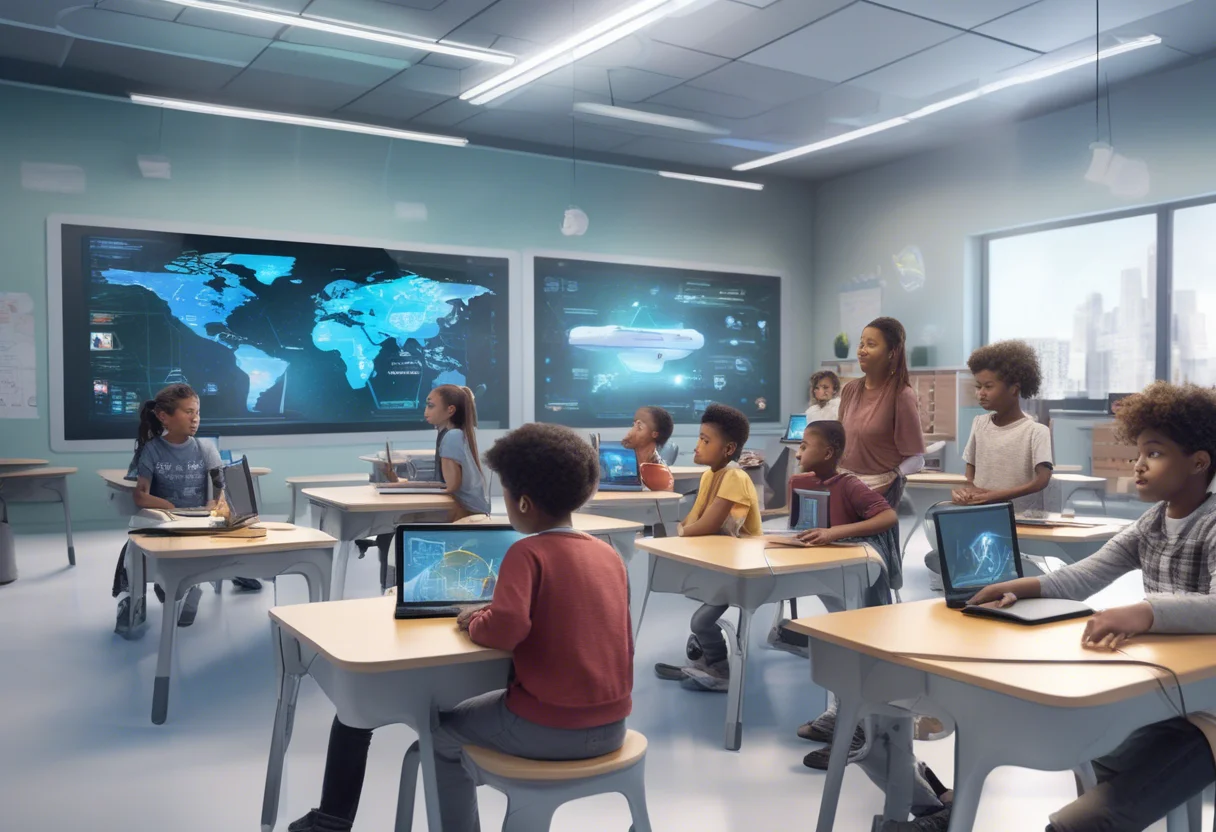
AI training platforms are changing the way we learn and teach, and it's happening fast. By 2025, the global market for AI in education is expected to top $6 billion. That's huge and shows just how much these platforms are reshaping things. In this article, we'll look at how AI is making learning more personal and helping us get ready for a digital world. We'll also discuss the challenges of using these technologies and keeping student data safe. Whether you're a teacher, a student, or just curious about what's next in learning, this look into AI training platforms will give you some helpful insights.
Summary: Dieser Artikel beschreibt die transformative Wirkung von KI-Trainingsplattformen auf die Bildung und beleuchtet deren Vorteile, praktische Anwendungen und Herausforderungen. Er behandelt auch den Schutz von Lerndaten, ethische Aspekte und die Beiträge von Deepbrain AI.
The Transformative Impact of AI Training Platforms on Education
AI's Integral Role in Modern Education
AI is transforming education by:
- Personalizing learning experiences: AI customizes lessons based on individual student data, keeping learners engaged and providing necessary support.
- Automating routine tasks: Platforms like Khan Academy adjust exercise difficulty in real-time, enhancing student performance.
- Supporting teachers: AI acts as a co-teacher, delivering materials and answering questions, allowing educators to focus on student guidance.

This collaboration between AI and educators reduces burnout and stress, ultimately enhancing the quality of education.
Overcoming Challenges in Traditional Education
Traditional education faces several challenges:
- Lack of personalized learning: Students often receive a one-size-fits-all approach.
- Teacher workloads: Educators are burdened with grading and administrative tasks.
- Limited human interaction: It's crucial to ensure AI complements rather than replaces human interaction.
AI can alleviate burnout by automating tasks like grading. However, effective learning requires a blend of real-time teacher support and AI assistance.
AI Training Platforms: Revolutionizing Education Solutions
AI training platforms offer solutions by:
- Creating personalized learning paths: They analyze student performance to adjust content dynamically.
- Handling content creation and administration: This frees up teachers to mentor students.
- Providing instant feedback: Quick responses aid comprehension and lesson planning.

Platforms like Carnegie Learning offer customized instruction, leading to improved outcomes. Additionally, AI tools enhance accessibility for students with special needs, ensuring equitable learning opportunities for all.
Key Benefits of AI Training Platforms
Personalized Learning with AI Training Platforms
AI training platforms are revolutionizing education by offering learning experiences that fit each student like a glove. They leverage AI to determine your optimal learning style, pace, and progress in real-time, allowing for personalized lesson adjustments. Platforms like DreamBox and Khan Academy exemplify this approach. They provide additional support to those in need and more challenging material for advanced learners, enhancing engagement and effectiveness.

Moreover, these AI systems don't just adjust content; they recommend specific learning materials such as descriptions, tests, and images tailored to your needs. Immediate feedback helps reinforce knowledge and skill development. Predictive analytics identify areas where you may require further assistance, facilitating better planning for organizational training.
AI-Driven Classroom Efficiency
AI significantly enhances classroom efficiency by automating tedious administrative tasks. Teachers often find themselves bogged down with grading, attendance, scheduling, and report generation. AI can manage these tasks, freeing educators to focus on teaching and student interaction. Automated grading, for instance, provides rapid feedback, allowing teachers to dedicate more time to their students.
These AI systems also handle course assignments, recertification reminders, overdue work alerts, and suggest adjustments based on student performance. This not only reduces costs but also improves the educational process by minimizing errors and streamlining operations. Platforms like Brightspace illustrate how AI facilitates course assignments and learning adjustments, simplifying classroom management.
Boosting Student Engagement with AI
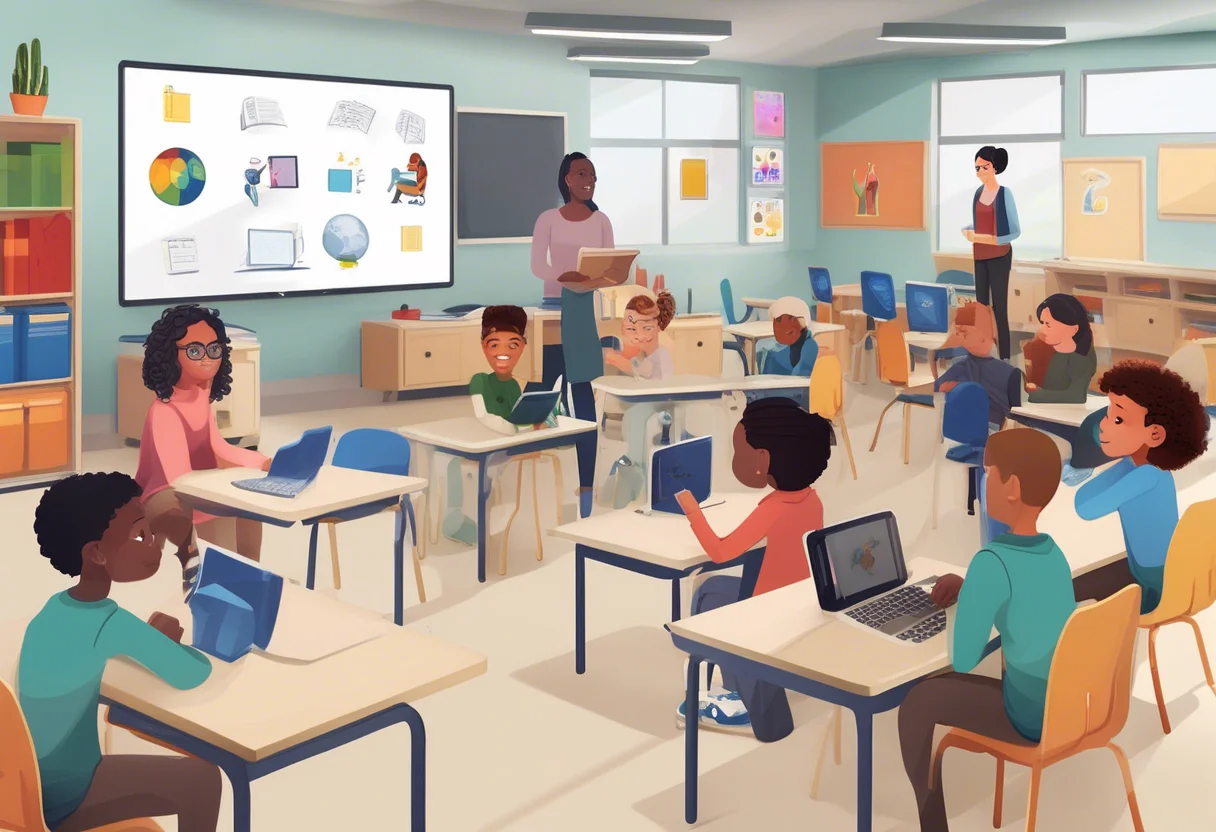
AI plays a crucial role in enhancing student engagement by making learning interactive and personalized. It adapts to individual student needs, maintaining motivation and fostering skill development with instant feedback and intelligent coaching. AI chatbots and virtual assistants provide immediate assistance and guidance, making learning more engaging and rewarding.
These tools create a dynamic learning environment. For example, AI chatbots in learning platforms offer personalized support, keeping students engaged through timely interactions. This approach not only boosts engagement but also ensures students receive the support they need when they need it, resulting in a more fulfilling learning experience.
AI-Powered Insights for Educators
AI provides educators with valuable insights into student behavior, performance, and training effectiveness, enabling informed decision-making. Learning platforms utilize this data to identify areas needing improvement and evaluate the success of training programs. With predictive analytics, educators can anticipate future training needs based on skill gaps and performance trends, allowing for proactive learning strategy adjustments.
AI dashboards offer real-time updates on student progress, highlighting areas requiring additional focus. This data-driven approach empowers educators to tailor their teaching methods to enhance educational outcomes. For instance, Georgia State University has leveraged AI analytics to monitor student progress and implement timely interventions, significantly improving retention rates.
Conclusion
AI training platforms are transforming education by delivering personalized learning experiences, increasing classroom efficiency, enhancing student engagement, and providing educators with data-driven insights. These platforms employ machine learning to customize content and assessments, streamline learning pathways, and automate administrative tasks. As AI continues to advance, its role in education will expand, with the AI market for training projected to exceed USD 2 billion by 2032. Integrating AI into education accelerates learning, boosts productivity, and enhances learner satisfaction, making it an essential tool in contemporary educational environments.
For more on how AI benefits learning and development, check out ClearCompany's blog.
Practical Applications and Use Cases
AI Training Platforms in Automating Teaching Processes
AI-Powered Grading and Feedback Automation
AI is transforming the grading and feedback processes in education. By automating these tasks, teachers experience reduced administrative burdens, allowing them to dedicate more time to teaching. AI platforms can efficiently grade quizzes and provide students with instant, personalized feedback. This shift enables educators to concentrate on instructional activities rather than paperwork. Additionally, AI powers virtual tutors that offer quick feedback on quizzes and tests, facilitating the creation of tailored learning paths that cater to each student's unique needs, ultimately enhancing the learning experience for everyone.

Advantages of AI-Powered Virtual Tutors
AI tutors offer significant advantages by making learning more personalized and efficient. They provide immediate feedback and explanations, helping students grasp complex topics without waiting for teacher intervention. These tutors adapt to individual learning styles, delivering a customized educational experience. Furthermore, their 24/7 availability allows students to learn at their convenience, adding flexibility and making AI tutors an invaluable component of modern education.
AI Training Platforms for Accessibility and Inclusion
AI Tools Supporting Students with Special Needs
AI tools play a crucial role in ensuring education is accessible and inclusive for students with special needs. They can transform educational content into various formats, such as transcribing and translating videos. This is particularly beneficial for students who are deaf or face language barriers, ensuring full engagement with the material. AI-driven personalized learning further adapts to each student’s strengths and weaknesses, fostering an inclusive environment that supports all learners.
AI Solutions for Inclusive Learning Environments
AI contributes to creating inclusive learning spaces by addressing diverse student needs. Tools like text-to-speech and word prediction enhance material accessibility for all users. Additionally, AI analytics assist teachers in identifying and addressing accessibility issues within course content, ensuring that all students can effectively engage with their learning materials.
Scalability and Affordability of AI Training Platforms
Enhancing Education Accessibility with AI Platforms
AI learning platforms enhance education accessibility by enabling organizations to expand training effortlessly. They offer personalized content, gamified learning, and virtual tutoring without requiring extensive human resources. This scalability allows quality education to reach a broader audience, promoting inclusivity in learning.
Cost-Effectiveness of AI Training Platforms in Education
AI training platforms reduce costs by automating tasks such as compliance updates and content repurposing, making education more affordable and accessible. Free and low-cost AI courses, like those from Fast.ai and OpenAI's ChatGPT Prompt Engineering, provide practical AI education to a wide audience. This cost-effectiveness helps schools lower expenses while improving learning outcomes, making education more affordable for students.
Explore more about AI learning platforms, AI-driven personalized learning, AI-powered learning platforms, and AI training courses that are pivotal in transforming education.
Future-Proofing Skills with AI Training Platforms
AI Training Platforms for Preparing Students for Future Job Markets
Preparing students for the evolving job market requires leveraging AI training platforms. Tools like Absorb LMS customize learning paths based on individual needs—be it role, skills, or goals. This personalization aids in both reskilling and upskilling efforts.
Another noteworthy platform is Docebo, which enhances learning experiences with features like automatic tagging and content curation. Companies such as Edstellar focus on integrating generative AI and data literacy into daily tasks, preparing employees for AI-centric markets.
AI Literacy and Critical Thinking Through Training Platforms
Platforms like 360Learning and LearnUpon utilize AI tools to develop courses and provide AI coaching. These tools enhance engagement and foster critical thinking.
Notably, LearnUpon includes interactive bots that guide learners, aiding in the development of AI literacy and encouraging critical reflection on real-world issues.
Addressing Ethical Considerations in AI Training Platforms
While skill-building is vital, the ethical use of AI cannot be overlooked. Many platforms strive for inclusivity and transparency by offering translation and accessibility features.
It is essential to educate about bias and privacy, although the depth of ethical content may vary and could benefit from additional resources.
Overcoming AI Integration Challenges in Education
Overcoming Barriers to AI Training Platform Integration
Integrating AI into existing educational systems is a significant challenge for most organizations, with over 90% finding it difficult to blend AI with their current systems. The primary issue lies in the complexity of integrating AI with older systems and workflows. Many legacy educational tech systems are not compatible with the requirements of modern AI, leading to operational slowdowns source.
Additional barriers include:
- Incompatibility with Human Resources: AI systems often struggle to integrate with existing human resource processes.
- Data Silos: Isolated data systems hinder the seamless operation of AI.
- Non-AI-Ready Systems: Many systems were not initially designed to accommodate AI functionalities source.
Moreover, the scarcity of skilled AI experts further complicates AI adoption in educational institutions source.
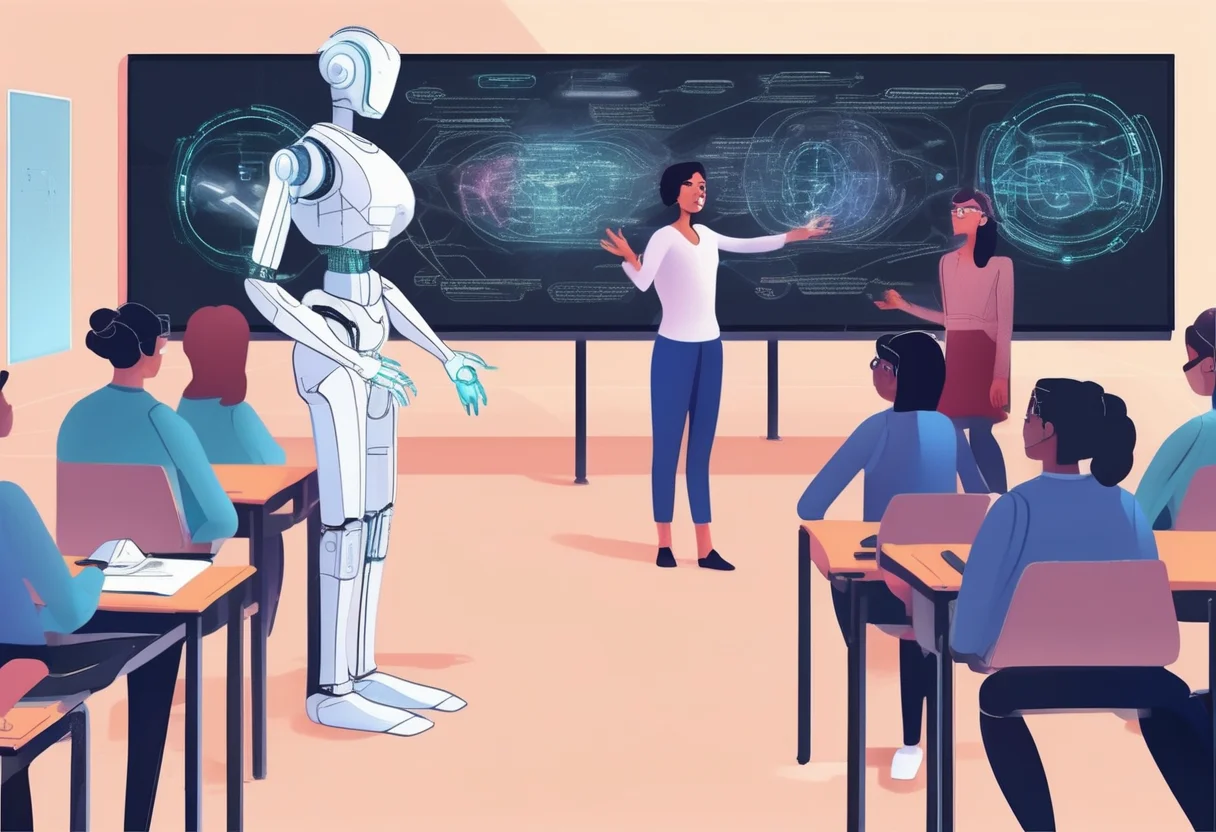
Effective Teacher Training for AI Platform Adoption
Successfully integrating AI in schools hinges on strategic workforce analytics. This approach aligns AI capabilities with institutional goals, minimizing disruptions source. Teachers are more likely to embrace AI when it is seamlessly incorporated into existing workflows source.
Key strategies include:
- Targeted Training: Providing specific training sessions or external expertise to address the AI skills gap source.
- Clear AI Governance: Developing well-defined governance plans with specified roles to ensure ethical AI use source.
Successful AI Training Platform Implementation in Schools
Some schools have successfully integrated AI by updating legacy systems with middleware and API wrappers, circumventing the need for costly system overhauls source. These institutions focus on embedding AI deeply into their operations, aligning it with their long-term strategic goals source.
Successful practices include:
- Cloud and Hybrid AI Solutions: Utilizing these solutions to manage computational demands and facilitate scalable applications source.
Learner Data Privacy and Ethical Use of AI in Education
Data Privacy Importance in AI Training Platforms
Keeping learner data safe is crucial for AI training platforms. Schools must be transparent about how they collect, use, and protect student data. This openness builds trust and empowers individuals to make informed decisions regarding their privacy.
To ensure data safety:
- Strong encryption and data anonymization are essential to protect sensitive information.
- Compliance with privacy laws such as FERPA, COPPA, and GDPR is not only advisable but an ethical obligation.
- Schools should facilitate easy consent processes and provide students and parents control over their data.
- Regular audits are necessary to maintain robust data security.
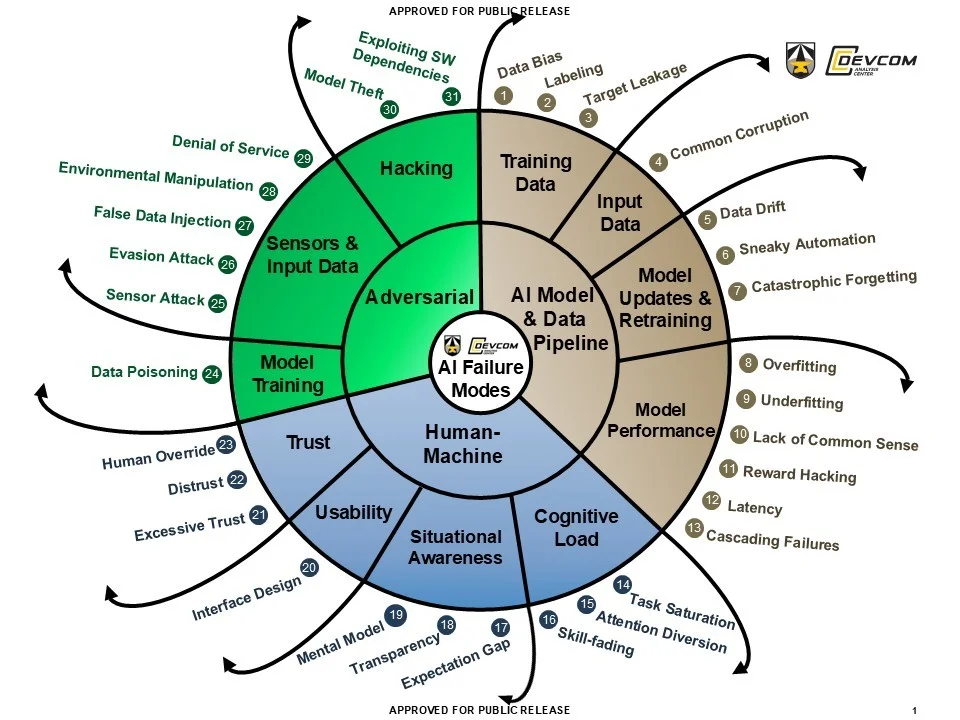
Promoting Fairness and Inclusivity in AI Training Platforms
AI platforms must restrict data access to authorized personnel only, minimizing misuse and promoting fairness. To prevent bias, AI algorithms require meticulous design and testing.
Key practices include:
- Implementing data anonymization to protect individual privacy while analyzing group trends.
- Utilizing proven strategies to support all students, regardless of their background.
Ethical Considerations of AI Training Platforms in Education
The integration of AI in schools raises ethical considerations, necessitating stringent data protection and clear policies. Unauthorized data sharing can result in identity theft or discrimination.
To uphold ethical standards:
- AI systems should refrain from using student data to train third-party models without explicit consent, adhering to regulations like FERPA and COPPA.
- Continuous vigilance for emerging security risks and cyber threats is essential to ensure ethical AI usage and safeguard student rights.
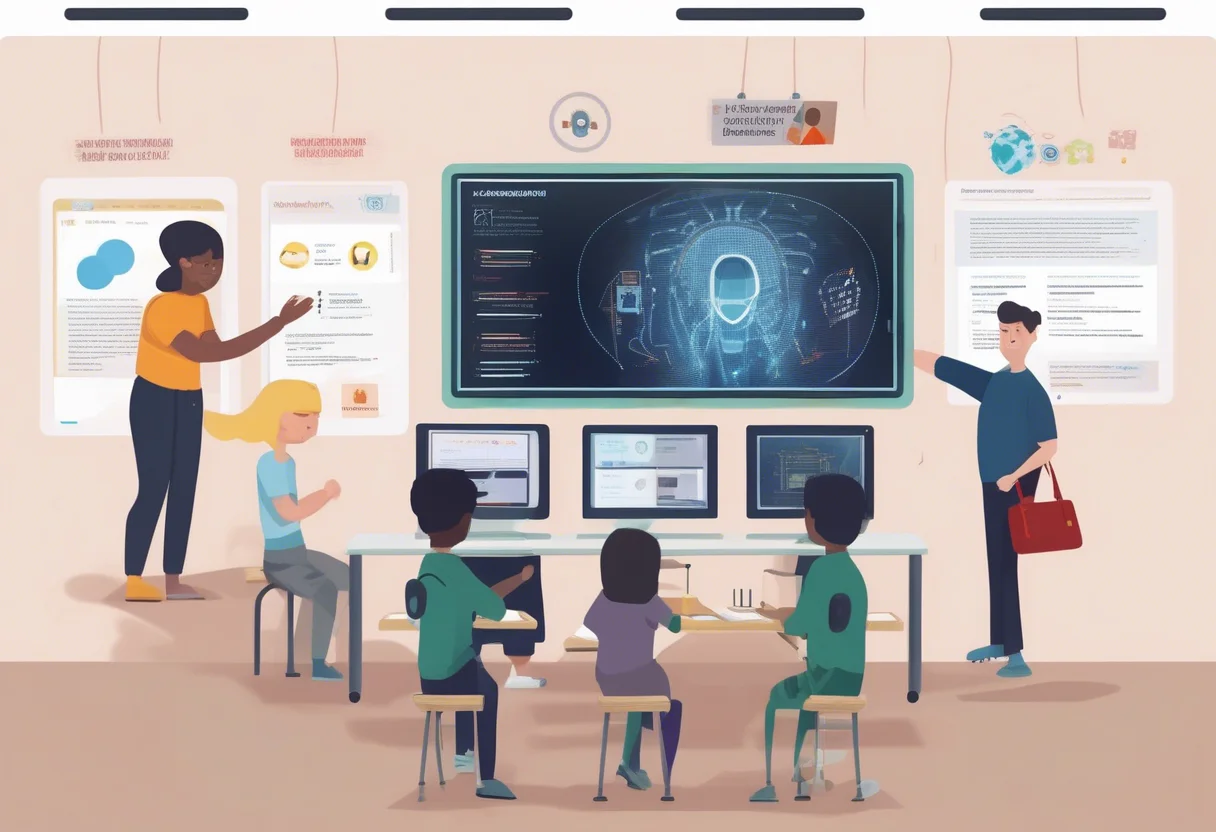
Deepbrain AI and Their Contributions
DeepBrain AI Studios: Pioneering AI Training Platforms
DeepBrain AI is at the forefront of integrating human intelligence with AI technology to revolutionize video creation and human simulation. Their platform, AI Studios, transforms text into videos using highly realistic AI avatars. These avatars can speak, move, and express emotions much like real humans, thanks to advanced machine learning techniques that enhance their lifelike appearance and behavior.
Enhancing Education with AI Training Platforms from DeepBrain AI
DeepBrain AI is reshaping the educational landscape by developing teaching videos and virtual tutors, making learning more personalized and accessible. AI Studios excels in corporate training and e-learning by utilizing realistic avatars to quickly generate content.

The AI's memory function ensures seamless virtual tutoring sessions, automating tasks to save educators time while maintaining student engagement.
Educational Impact of DeepBrain AI's Training Platforms
Educational institutions are leveraging DeepBrain AI to create virtual tutors and teaching content, thus personalizing the learning experience for students. AI-generated videos facilitate cost-effective lesson delivery, enhancing student engagement. Features like memory enable virtual assistants to conduct meaningful interactions.

By employing AI avatars, these platforms overcome learning barriers, making interactions more human-like and improving educational outcomes.
FAQ Section
How Do AI Training Platforms Enhance Student Engagement?
AI-powered platforms enhance student engagement by tailoring content to match each student's behavior and skills. This personalization keeps learning relevant and motivating. For instance, platforms like Sana Learn report up to a 275% boost in engagement thanks to their adaptable AI systems.
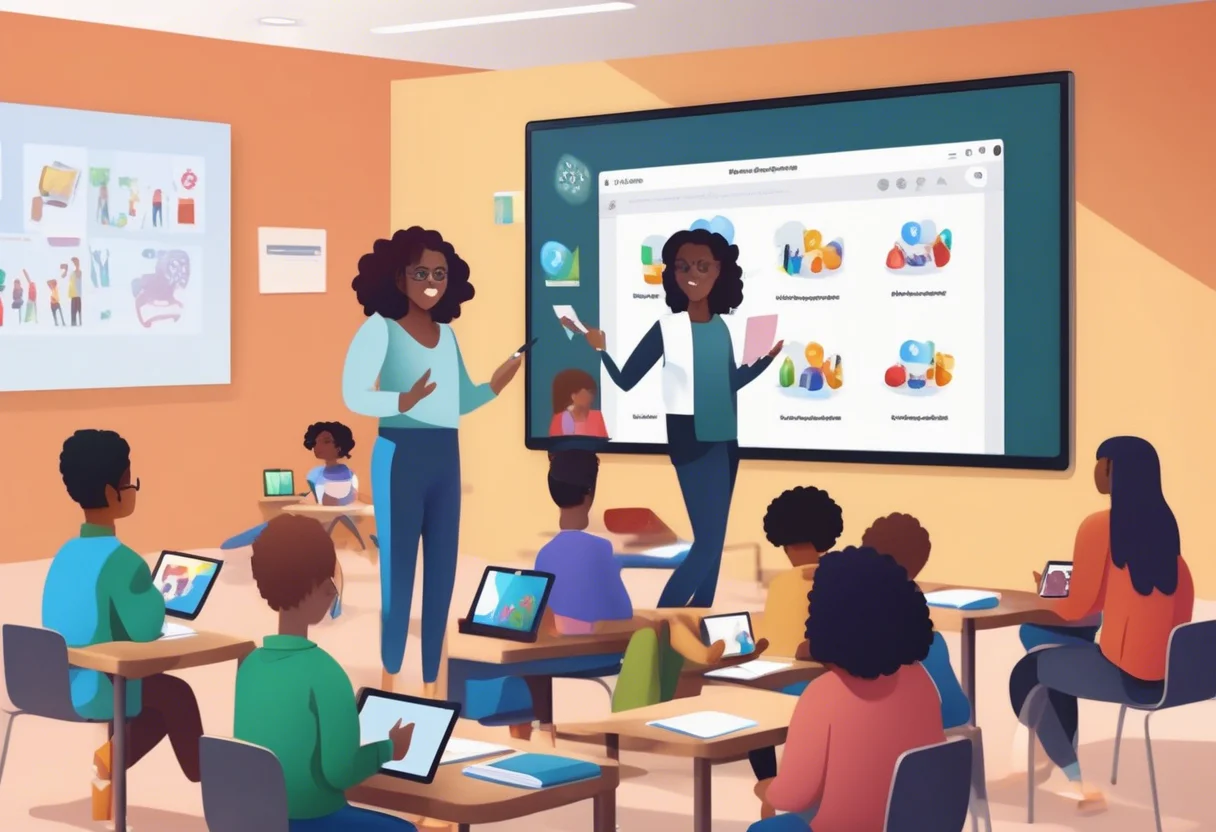
Additionally, AI features such as role-playing bots and interactive challenges, as utilized by WorkRamp, encourage participation and offer hands-on learning experiences. Furthermore, 360Learning employs AI to enhance group learning by reducing the time experts need to invest and fostering peer interaction.
Challenges Educators Face with AI Training Platforms in Classrooms
Integrating AI into classrooms presents several challenges. Educators often find AI tools complex and lacking in direct support, making them difficult to understand. For smoother adoption, platforms need to integrate well with systems like Salesforce, Microsoft Teams, and Zoom, as highlighted in the D2L blog.
Moreover, some platforms have limited AI capabilities, which can restrict automation and personalization. Teachers also require time and training to effectively utilize AI features such as automated content creation and skills tagging, as noted by Docebo.
How AI Training Platforms Personalize Learning Experiences
AI personalizes learning by tracking student progress and behavior in real-time, suggesting courses, and customizing learning paths. Platforms like Absorb LMS use AI to present content that is most relevant based on a student's role, skills, and goals, aiding in more efficient learning.

AI also enhances the discovery of learning materials through content curation and auto-tagging. Generative AI tools assist in creating tailored training materials and assessments, reducing development time and aligning learning to individual needs, as demonstrated by WorkRamp.