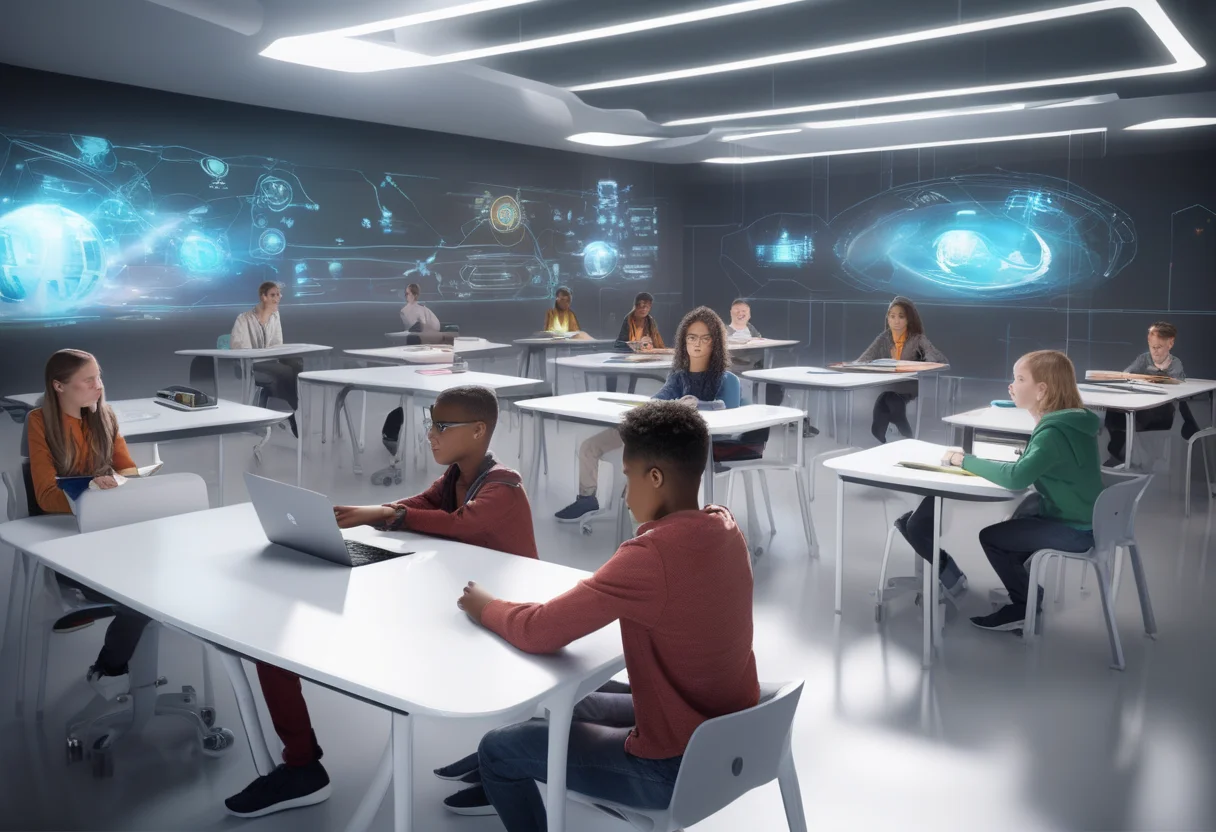
Technology is changing everything, and education is right there in the mix. AI-powered courses are leading the charge, and by 2025, they're set to change how we learn. Picture a classroom where lessons fit your learning speed, interests, and strengths. Studies show that AI use in education is expected to grow by over 45% each year, proving its big impact. So, what's special about these courses? They offer personalized learning and real-time feedback. AI isn't just a tool; it's like a partner in education. Let's look at the key features that make AI-powered courses the future of learning.
Summary: This article describes the impact of AI-powered courses on transforming education by 2025, focusing on advancements in personalized learning and increased accessibility. It highlights the role of artificial intelligence in reshaping educational methodologies and improving learning outcomes.
AI-Powered Courses: Transforming Education in 2025
The Rise of AI in Educational Systems
As we near 2025, AI's role in education is truly evolving. It's no longer just a novel idea; it's becoming an integral part of educational systems worldwide. Robust policies are facilitating the integration of AI into all aspects of learning. The goal? To create smarter, more connected schools that are ready for the future. HolonIQ discusses this transformation, emphasizing how AI is enhancing education systems.
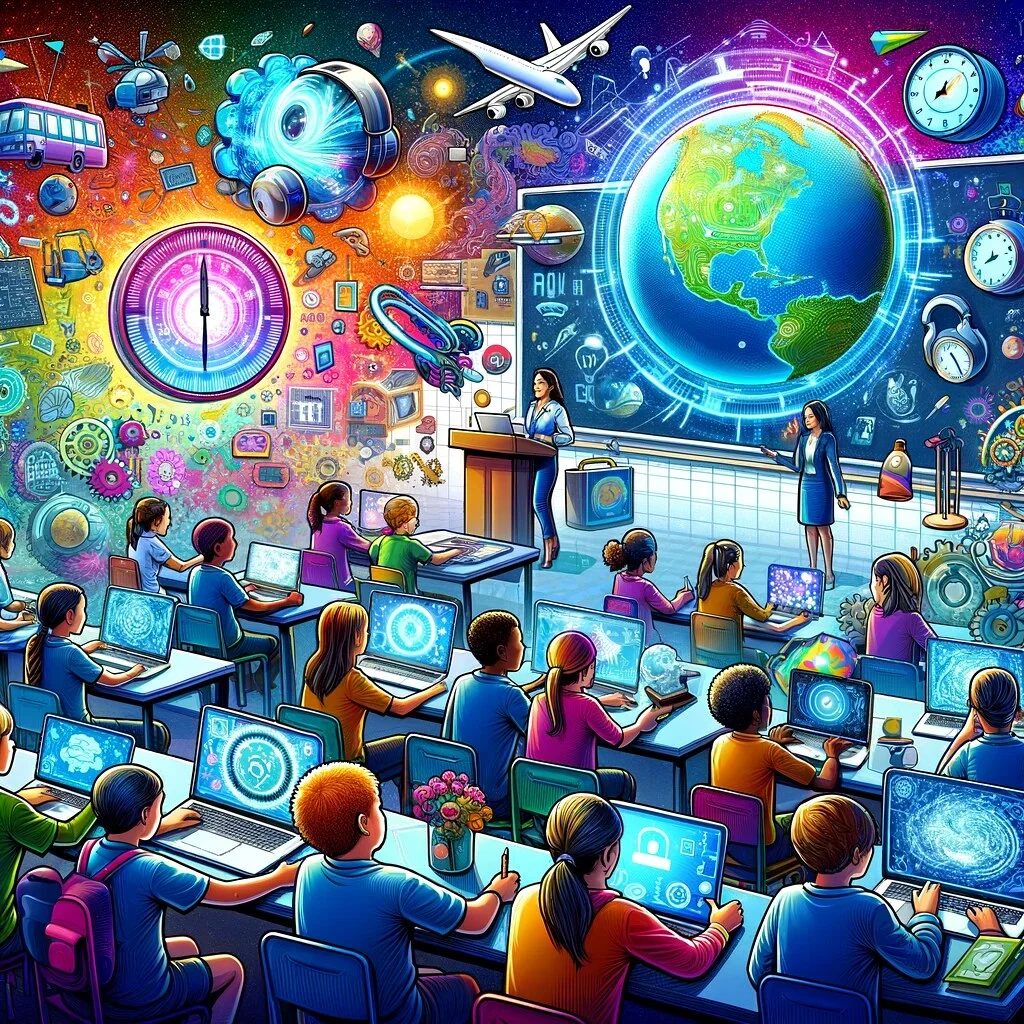
A significant trend is the emphasis on learning while working, such as through internships. This approach equips students with practical skills for real-world jobs. AI is a global trend in this area, aiding students in acquiring the competencies needed for future careers.
Key Features of AI-Powered Learning Programs
AI-powered courses leverage technology to personalize and enhance learning. They adapt lessons to fit each student, providing a customized learning experience. APUS highlights how these courses assist students by offering tailored learning paths and assessments.
AI tools also streamline course design. They facilitate rapid content creation, develop microlearning modules, generate quizzes, and personalize learning paths. Platforms like LearnWorlds demonstrate how AI increases student engagement by providing interactive simulations and feedback while managing administrative tasks to streamline training.
Innovations from Deepbrain AI and AI Studios
Platforms such as Deepbrain AI and AI Studios enable creators to develop AI-powered video courses and interactive learning experiences. They offer tools for creating AI-generated instructors and dynamic video content, making learning more engaging and accessible. For instance, Deepbrain AI Studios offers innovative solutions for developing AI-generated instructors.
Practical Use Cases of AI-Powered Education
AI platforms are accelerating course creation, personalizing learning, and supporting workforce training with career-focused solutions. For example, AI-driven microlearning platforms like SC Training assist educators in efficiently developing specialized programs. These platforms employ AI to craft learning experiences that align with industry needs, preparing learners for specific roles.
AI also enhances student services to improve retention, advising, mental health, and accessibility. This comprehensive approach enriches the educational experience by addressing various aspects of student life. APUS underscores AI's role in providing comprehensive student support.
A real-world example is WorkRamp, which utilizes AI for interactive training simulations and dynamic feedback. This enhances sales enablement and student engagement, illustrating how AI can transform traditional training.
Future Trends in AI-Powered Courses
AI in education has a promising future, with a focus on ethics, fairness, and accessibility in course design. APUS mentions future trends such as increased AI use for personalized tutoring, adaptive tests, immersive learning, and AI-driven student support.
Investment in AI-driven workforce training is shifting towards scalable solutions that connect education with employment. This trend underscores AI's role in addressing workforce needs and aligning education with industry demands. HolonIQ highlights the significance of this shift.
Upcoming AI education conferences in 2025 will concentrate on novel ideas, challenges, and best practices for AI in teaching and learning. These events will offer insights into AI's future in education, showcasing its potential to transform teaching methods.
FAQ Section
What are AI-powered courses?
AI-powered courses utilize AI technology to personalize learning, automate content creation, and enhance engagement. They provide tailored learning experiences that improve outcomes and engagement. LearnWorlds offers insights into these courses' features and benefits.
How do AI-powered courses benefit learners?
They offer personalized paths, adaptive tests, and interactive content, which improve outcomes and engagement. APUS highlights these courses' advantages in enhancing learning.
Are AI-powered courses accessible?
Yes, AI tools are increasingly designed for equity and accessibility, including for students with disabilities. APUS emphasizes accessibility in AI-powered courses.
What is the role of AI in workforce training?
AI accelerates course creation, aligns education with industry needs, and supports scalable upskilling programs. HolonIQ highlights AI's role in transforming workforce training.
Conclusion
AI-powered courses are revolutionizing education by offering personalized, engaging, and efficient learning experiences. As AI technology progresses, we will witness even more innovative applications in education. These courses provide practical solutions to common educational challenges, ensuring students receive the support they need to succeed. With an emphasis on ethics, fairness, and accessibility, AI-powered courses are poised to transform education in 2025 and beyond.