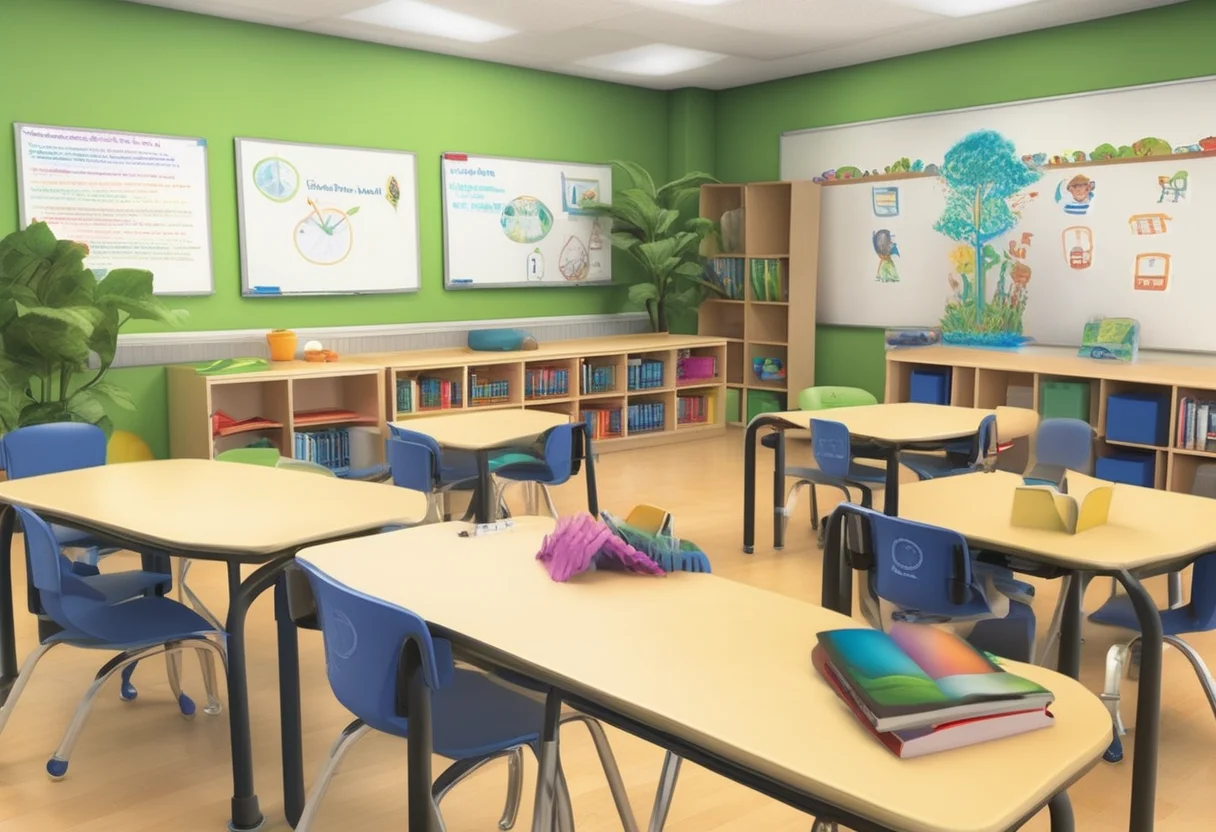
Imagine a classroom where every student stands out, each with their own learning needs and goals. That's what personalized learning paths offer. The old one-size-fits-all method is fading away as education changes. Now, teachers are crafting learning journeys that fit each student's strengths, interests, and pace. And here's a cool fact: students in personalized learning are 30% more likely to boost their academic performance. This piece will dig into how personalized learning paths work, their benefits, how to set them up, and the crucial role teachers play. Whether you're a teacher looking to shake up your methods or a parent curious about what's new in education, you're in the right spot. Let's see how personalized learning paths can boost student engagement and success!
Understanding Personalized Learning Paths
Defining Personalized Learning Paths
Personalized learning paths focus on tailoring education to fit each learner's unique needs and goals. Unlike traditional one-size-fits-all methods, these paths emphasize individual achievements by:
- Considering the speed of learning
- Adapting to preferred resources
This approach enhances motivation and retention of information. Technology, such as adaptive learning platforms, plays a crucial role by:
- Tracking progress
- Providing instant feedback
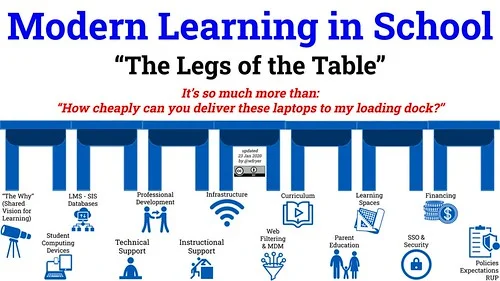
This student-centered approach allows learners to set personal goals and reflect on their learning journey. Modern tools utilize AI and learning analytics to:
- Suggest relevant content
- Enable self-paced learning
Additionally, they incorporate microlearning techniques, creating a dynamic and engaging educational experience.
Boosting Student Engagement with Personalized Learning
When learning paths are personalized, student engagement increases because activities align with their interests and goals, which enhances motivation. Key aspects include:
- Allowing students to control their learning pace
- Enabling them to choose resources that suit their preferences
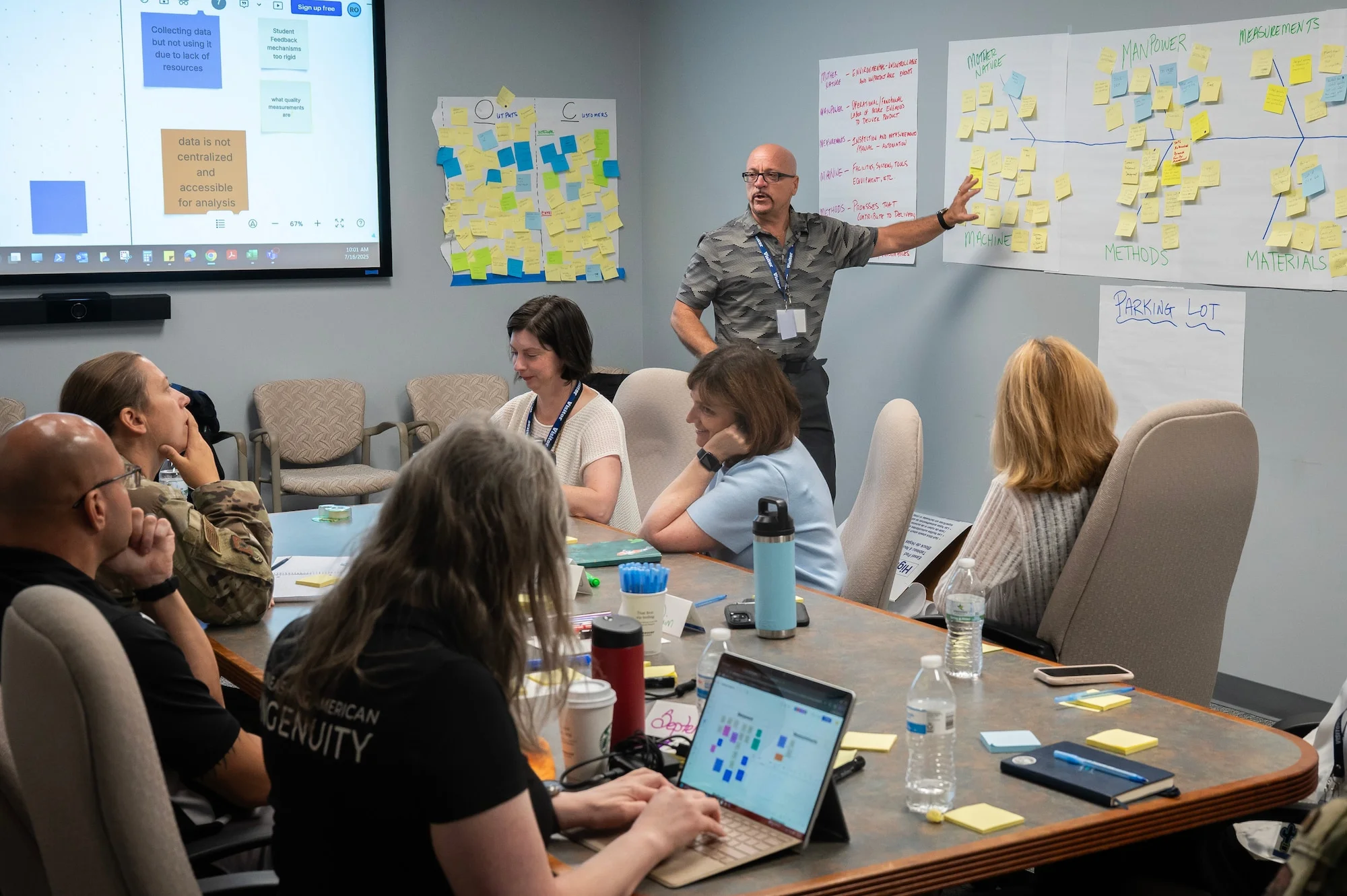
Diverse teaching methods maintain interest and cater to individual learning styles. Technology further enriches this experience by offering:
- Interactive feedback
- Adaptive content
These elements sustain high motivation levels. Engaged students feel more empowered and confident, leading to improved outcomes. For example, an AI-powered platform can:
- Provide challenges tailored to skill levels
- Offer feedback aligned with student interests
This keeps students focused and enhances their learning experience.
Benefits of Personalized Learning Paths
Boosting Engagement with Personalized Learning Paths
Personalized learning significantly boosts student engagement by aligning educational content with students' interests and career aspirations. This tailored approach increases motivation and excitement, leading to greater involvement and commitment. When learning activities are customized to meet each student's needs, the material becomes more relevant, encouraging active participation.
Custom learning paths maintain engagement by incorporating diverse teaching methods such as:
- Interactive modules
- Real-world problem-solving

This variety makes education far more captivating. Learn more.
Promoting Student Autonomy through Personalized Learning
Personalized learning empowers students by allowing them to set goals, choose activities, and monitor their progress. This autonomy fosters self-regulation and metacognitive skills, granting students control over their educational journey. With this freedom, students build confidence, remain motivated, and strive for improved outcomes.
Moreover, they acquire essential soft skills like:
- Time management
- Problem-solving

These skills enhance their ownership of the learning process. Explore more.
Academic Performance Benefits of Personalized Learning Paths
Personalized learning paths enable students to progress at their own pace, ensuring mastery of topics before advancing. This approach enhances retention and academic performance by focusing on essential skills and eliminating unnecessary content. Schools implementing personalized learning report:
- Improved attendance
- Higher test scores
- Increased engagement
- Reduced dropout rates
Step-by-Step Guide to Implementing Personalized Learning Paths
Establish Specific Learning Goals
Setting clear goals and objectives is the foundation of personalized learning paths. You want to establish goals that are specific, measurable, achievable, relevant, and time-bound (SMART) for each learner. The SMART framework ensures that learning outcomes are focused and measurable. These goals should align with organizational objectives and demonstrate real value.
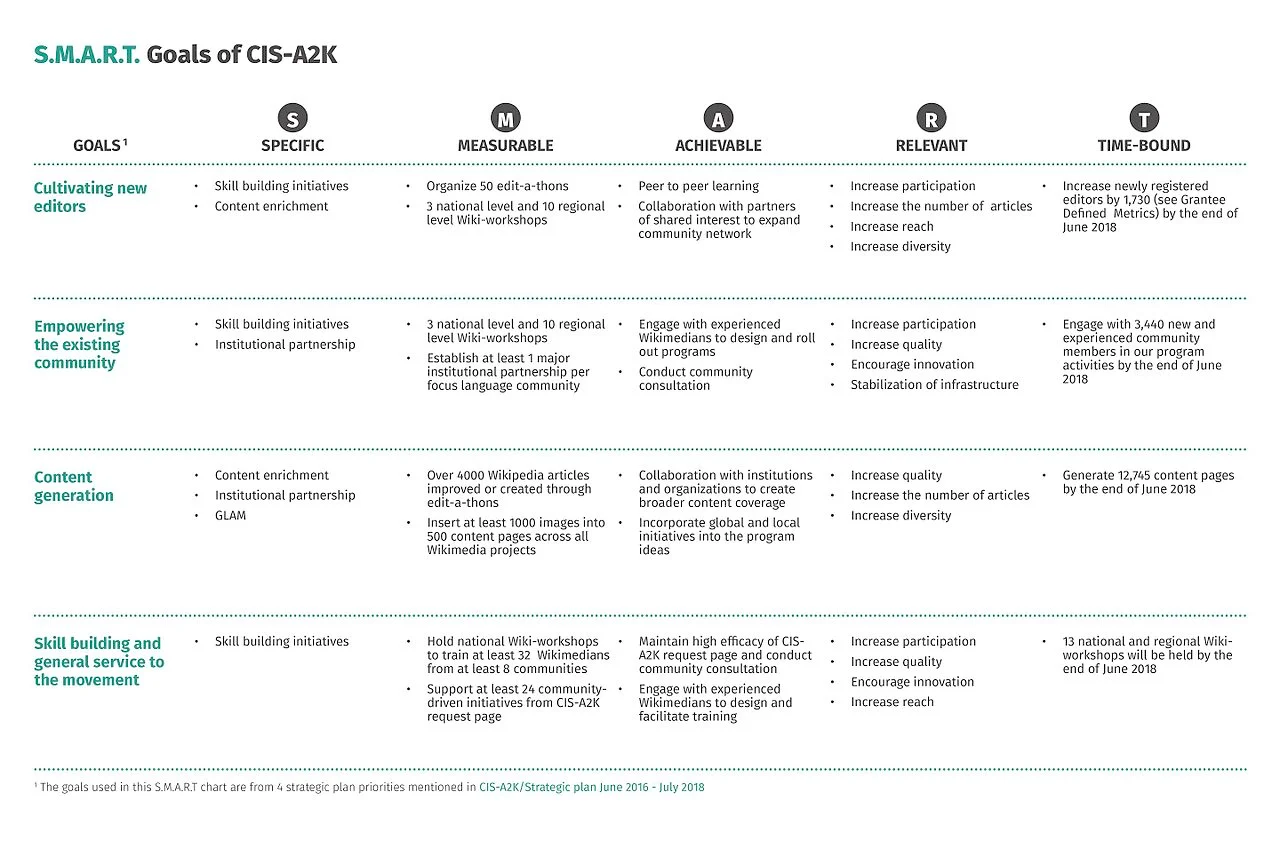
Before diving into creating personalized paths, determine what the organization aims to achieve through training. For instance, completing a digital marketing course with 32 hours of instruction by a specific date ensures everyone knows their target.
Evaluate Learner Skills and Knowledge
Conduct Comprehensive Skill Assessments
To personalize learning, begin with diagnostic assessments and discussions. These tools help identify each learner’s strengths, weaknesses, and interests, which are crucial for tailoring their learning experience. By understanding learners' needs, educators can pinpoint knowledge gaps and identify necessary skills for different groups or roles. Tools such as skills audits or SWOT analysis are effective for evaluating current skills and identifying growth opportunities. For example, assessing a customer service team might reveal how they currently handle complaints and what they'll need for future social media chat support.
Develop In-Depth Learner Profiles
Gather Comprehensive Learner Data
Building detailed learner profiles involves collecting data on their strengths, needs, motivations, and preferences. This data is essential for customizing their learning experience. By grouping learners based on their roles and expertise, educators can tailor their learning paths. For instance, grouping employees by job function and experience level allows for targeted plans addressing specific skill gaps and career goals.
Identify Skill Gaps and Learning Requirements
Utilize a Skills Matrix for Analysis
Mapping skill gaps and learning needs requires using a skills matrix to compare current gaps with future requirements. Keeping an eye on industry trends and changes is crucial for incorporating future skills into learning plans. For example, mapping gaps for a sales team might involve current training on handling objections and future training on new sales software.
Design Tailored Learning Pathways
Create Role-Specific Learning Paths
Creating specific learning paths involves employing various strategies such as blended learning, projects, and peer collaboration. These paths should align with roles, workflows, and business needs, starting with a basic path and further personalizing it using learner data. Ensure these paths are flexible, incorporating checkpoints and diverse learning methods to accommodate learner progress and preferences. For example, a new hire might begin with onboarding modules, then progress to role-specific projects and peer mentoring.
Develop or Curate Educational Content
Select Instructional Materials Strategically
Developing or curating learning content involves creating or selecting materials that align with learning objectives and preferences. This includes videos, interactive exercises, and readings. It's vital to review existing materials to update, reuse, or create new content for personalized paths. Curating microlearning videos and interactive quizzes maintains engagement and supports various learning styles.
Implement Adaptive Learning Technologies
Leverage LMS and AI Tools
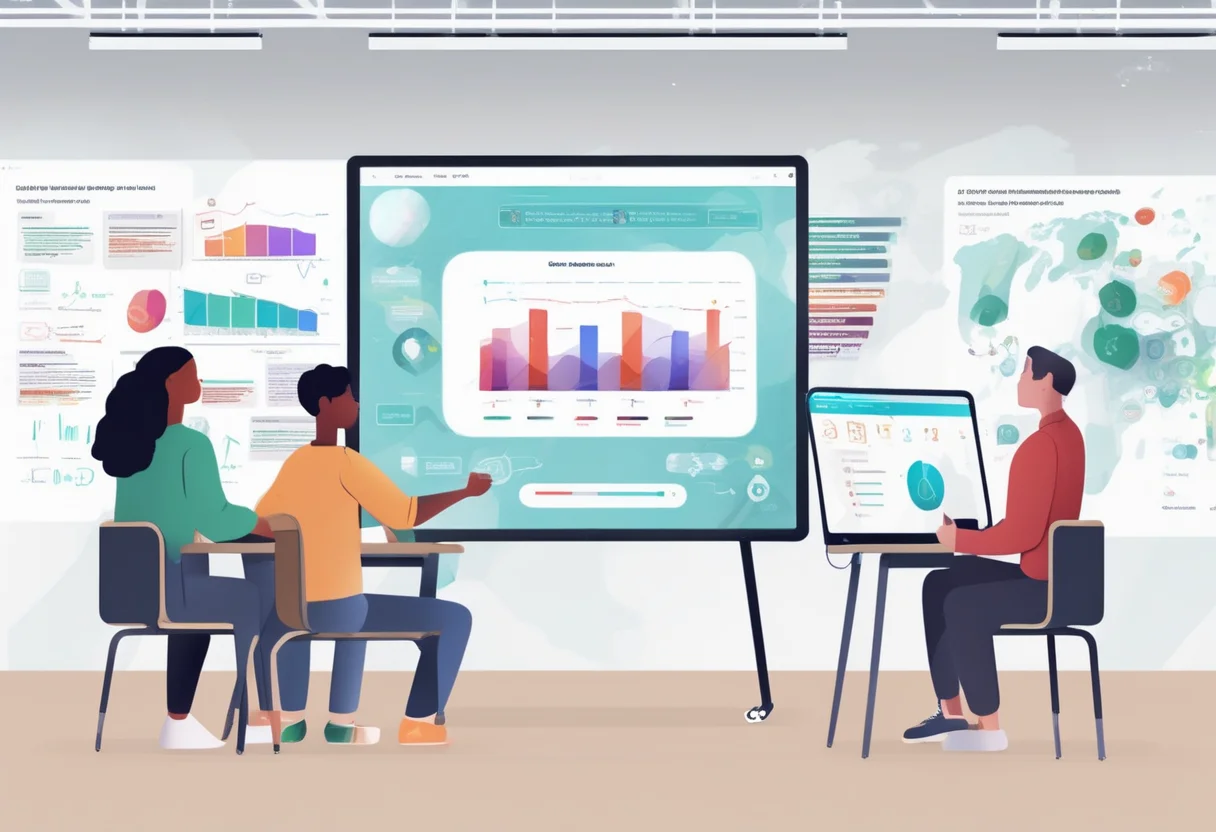
Implementing adaptive and flexible learning technologies involves utilizing Learning Management Systems (LMS) or AI tools to deliver personalized content and track progress. LMS automation can assign courses based on roles, skill gaps, and performance data, enabling scalable personalization. AI platforms can adjust content sequencing and difficulty based on learner behavior and results. If a learner struggles with a concept, the system can offer extra practice or simplify the material.
Promote Learner Autonomy and Reflection
Facilitate Progress Tracking and Goal Setting
Encouraging learners to track their progress, set personal goals, and reflect on their learning experiences fosters ownership and motivation. Learners might maintain a journal or dashboard to record achievements and plan next steps. Promoting self-assessment and allowing learners to adjust paths based on feedback and performance is crucial.
Continuously Monitor Learning Progress
Conduct Regular Performance Evaluations
Regularly evaluating learner performance through assessments, quizzes, projects, and feedback helps measure the effectiveness of learning paths. Utilizing LMS analytics and reports can reveal learning patterns, engagement, and areas needing improvement. Periodic quizzes and project evaluations track mastery and help decide when to tweak the learning plan.
Update Learning Plans Regularly
Enhance Learning Pathways
Revising and updating learning plans is an ongoing process. It involves refining pathways based on assessment data, feedback, and changing goals to keep learning experiences relevant and engaging. Regular updates should reflect new skills, industry trends, and learner progress. For example, a plan might be updated quarterly to include new technologies or role expectations.
Step 1: Identify Learner Needs and Preferences
Assessing student needs and preferences is crucial for personalized learning paths. Gathering information on interests, learning styles, and preferences through surveys, interviews, and observations helps design engaging experiences. By considering individual preferences, educators can create a more inclusive and supportive environment that meets diverse needs.
Step 2: Craft Personalized Learning Plans
Designing personalized learning plans involves creating tailored experiences that match each learner's goals and preferences. This requires collaboration between educators and learners to choose content, activities, and assessments. Plans should be flexible and adaptable, allowing for changes based on feedback and data. Focusing on each learner's unique needs helps create meaningful experiences that promote growth and achievement.
Step 3: Incorporate Technology in Learning Paths
Integrating technology in learning paths is key for dynamic, interactive experiences. Selecting and utilizing digital tools and platforms enhances learning and allows for personalization. Tools like learning management systems, educational apps, and online collaboration tools support personalized learning from content delivery to communication and assessment. Technology helps create engaging and accessible environments for diverse needs.
Step 4: Track and Adjust Learning Paths
Monitoring and adjusting learning paths ensures learners stay on track to reach their goals. This involves regularly reviewing progress through assessments and feedback and tweaking plans as needed. Educators should identify challenges and provide support to overcome them. Keeping communication open with learners fosters a collaborative and supportive environment that promotes success and growth.
For more insights on personalized learning paths, explore resources like the Disprz AI Blog, TeacherOp Blog, and Cathy Moore Blog. These sources offer valuable insights into methods and best practices for enhancing personalized learning in various settings.
Role of Teachers in Personalized Learning Paths
Facilitating Personalized Student-Centered Learning
In personalized learning settings, teachers transition from traditional roles to become more like guides. They actively move among groups, supporting discussions and helping set goals tailored to each student's needs. Building strong relationships is crucial, as it allows teachers to understand what motivates each learner, which is essential for success.
Key strategies include:
- Data Notebooks: These tools engage students in setting their own goals and tracking progress, which fosters a growth mindset.
- Tailored Instruction: Teachers use detailed data to customize their teaching methods, aligning them with students' strengths and interests.
For more information, refer to the source and source.
Utilizing Formative Assessments in Personalized Learning
Formative assessments provide continuous insights, helping track student mastery, identify gaps, and adjust teaching strategies accordingly. Teachers leverage these results to:
- Customize Learning Experiences: This approach allows students to progress at their own pace.
- Enhance Learner Profiles: Assessment data is incorporated into learner profiles, aiding in collaborative goal setting.
Feedback is perceived as a learning opportunity, supporting the development of a growth mindset. Access to timely data empowers teachers to make informed decisions about each student's learning path.

For further reading, check the source and source.
FAQs
Tailoring Personalized Learning Paths to Learning Styles
Personalized learning plans (PLPs) are designed to meet students where they are by accommodating various learning styles such as visual, auditory, and kinesthetic.
- Visual learners benefit from diagrams and videos.
- Auditory learners may prefer podcasts.
- Kinesthetic learners thrive with hands-on projects.
By aligning with the learner's preferred style, PLPs keep students motivated and engaged, enhancing retention and academic performance. These customized paths allow students to focus on their specific needs, efficiently boosting their skills.

Technology's Role in Personalized Learning Paths
Technology plays a crucial role in the implementation of personalized learning. It facilitates the creation of adaptive learning platforms that offer appropriate resources, track progress, and provide immediate feedback.
Modern learning management systems (LMS) leverage AI to evaluate student performance and suggest subsequent learning activities, ensuring a flexible and responsive learning path. Data analytics identify areas needing improvement, allowing for continuous plan adjustments. Additionally, tools for virtual collaboration and multimedia content enhance engagement and cater to diverse learning styles. Competency-based systems enable students to learn at their own pace, demonstrating knowledge beyond conventional grading.
Impact of Personalized Learning on Student Motivation
Personalized learning paths significantly enhance student motivation and engagement by allowing learners to choose paths aligned with their interests and goals, fostering a sense of control over their education.
When students see the connection between their learning and personal or career aspirations, motivation and engagement naturally increase. This approach encourages students to take initiative, boosting enthusiasm and involvement. Adaptive strategies and real-time feedback maintain interest and promote continuous progress, further enhancing engagement.