
In our busy work lives, knowing how to boost employee performance is super important. Companies using performance mapping can actually see a 25% bump in productivity. It's not just a trendy term; it's a real strategy that can change how your team works. By matching personal goals with company goals, performance mapping helps spot strengths and fix weaknesses, leading to success. In this article, we'll guide you through how to use these techniques and tackle some common questions. Whether you're a manager wanting to boost your team's output or an employee looking to up your own game, this guide's got you covered. Let's explore the power of performance mapping together!
Step-by-Step Guide to Implementing Performance Mapping Techniques
Launch the Performance Mapping Initiative
Conduct Performance Audits and Prepare the Project
To start a performance mapping project, you first need a clear picture of where things stand. This means diving into current performance levels and understanding the systems, tools, and methods in use. Audits help pinpoint what's working and what's not across departments. This step lays the groundwork for everything that follows.
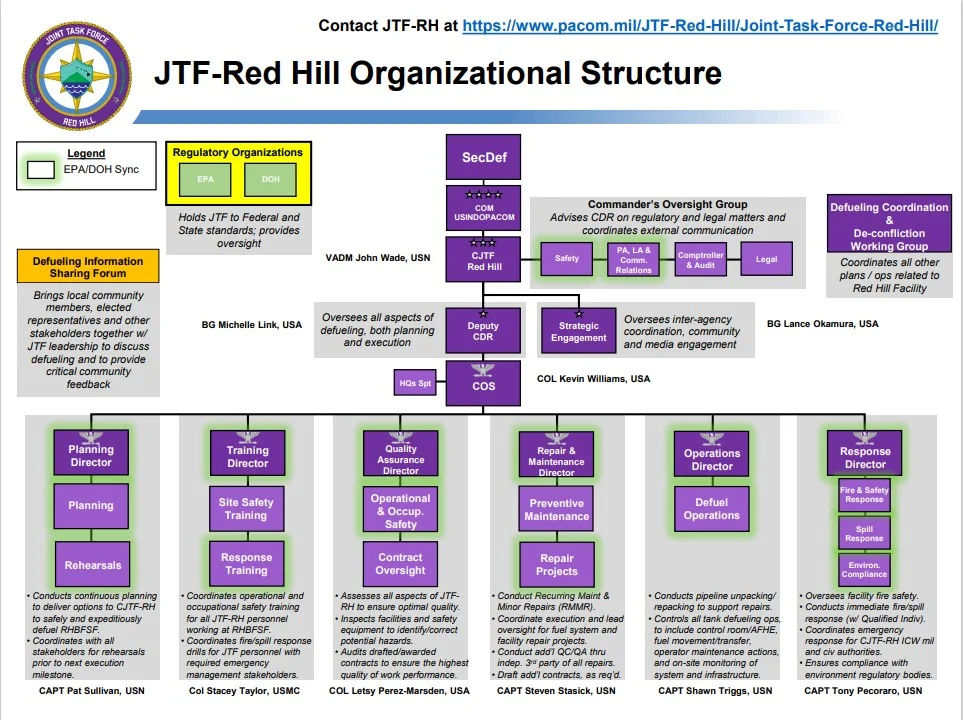
By gathering input and analyzing data from different parts of the organization, you can spot trends and issues. It's also smart to assemble a team from key departments. This ensures a mix of perspectives and smooth teamwork. Clearly lay out who does what and set a timeline with milestones. This prep work is crucial for a strong start. For more on audits, check out 6sigma.us.
Collect Relevant Data and Define Project Scope
Getting the right data is key for smart decisions in performance mapping. Determine what data you need—like employee performance records, departmental goals, and organizational objectives. Use surveys, interviews, and existing reports to gather it all.
Setting the scope is just as important. Decide which departments or processes to include and what performance areas to focus on. Clear objectives and outcomes help keep the project on track. A well-defined scope is your guide to success. For tips on defining scope, head over to 6sigma.us.
Align Stakeholders for Design Phase Success
Getting everyone on the same page is crucial. Identify all stakeholders—executives, managers, employees—who'll be impacted by changes. Hold meetings to discuss project goals and outcomes. Make sure everyone understands how performance mapping ties into the bigger picture of the organization's goals.

Address any concerns early to build a cooperative atmosphere. When stakeholders are aligned, it boosts support and smooths the way for implementation. For more on stakeholder alignment, visit Deel blog.
Define Clear, Measurable Performance Metrics
Develop Key Performance Indicators (KPIs) for Success
KPIs are your measuring stick for success. Start by pinpointing what matters most—productivity, quality, efficiency, customer satisfaction, financial performance. Make sure your KPIs are SMART: specific, measurable, achievable, relevant, and time-bound.
For instance, instead of saying "improve customer service," say "reduce customer complaint resolution time by 20% in six months." Each KPI should align with the organization's goals and provide a clear performance measure. For more on KPIs, visit Open Eye Partners.
Ensure Metrics Support Strategic Organizational Goals
Your performance metrics should support the organization's big-picture goals. Review the mission and vision statements to ensure alignment. Each metric should help achieve these long-term goals.
For example, if the goal is to increase market share, look at sales growth and customer acquisition rates. Aligning metrics with strategic goals ensures that performance mapping efforts drive the organization's success. For more, see Open Eye Partners.
Make Metrics Understandable and Role-Linked
Metrics should be clear and tied to what individuals and teams do. Avoid jargon that might confuse people. Use straightforward language to explain each metric and its importance. Link each metric to specific roles within the organization.
Employees should see how their actions impact the metrics and the organization's success. This clarity boosts accountability and motivation. For more insights, visit Deel blog.
Identify and List All Tasks and Resources
Enumerate Every Task and Resource for Performance Mapping
List out every task, action, and resource needed for performance mapping. Break down each process into tasks and document every step. Identify the resources required—people, equipment, technology, materials.
This thorough list ensures nothing is missed and all components are accounted for. For more guidance, visit 6sigma.us.
Ensure No Task or Resource is Overlooked
To avoid missing critical steps or resources, get input from team members involved in the processes. Their firsthand knowledge is invaluable. Conduct walkthroughs or simulations to spot any gaps. Double-check against existing documentation and data.
Ensuring completeness now prevents issues later. For details, refer to Enov8.
Write Out the Sequence of Performance Steps
Arrange Performance Mapping Activities Chronologically
Put activities in order to create a clear performance map. List tasks as they should happen, considering dependencies. Use flowcharts to visualize the sequence. This helps identify bottlenecks and inefficiencies. For insights, visit 6sigma.us.
Define Task Dependencies and Decision Points
Dependencies and decision points are key. Mark tasks that rely on others and define decision points based on criteria. Document these criteria for consistent decision-making. Understanding these elements helps streamline processes. For more, see Enov8.
Draw the Performance Map Using Standard Symbols
Visualize with Process Mapping Symbols
Process mapping symbols are a universal language. Learn common symbols like rectangles for tasks and diamonds for decisions. Consistency makes the map easy to understand and helps communication. For guidance, visit 6sigma.us.
Utilize Tools for Professional Performance Maps
Use tools like Lucidchart or Microsoft Visio to create professional maps. These tools let you drag and drop symbols and add annotations. Digital tools make sharing and collaboration easier. Choose one that fits your needs. For more, refer to 6sigma.us.
Collaborate and Finalize the Map
Review the Performance Map Draft with Stakeholders
Collaboration is key. Share the draft map with stakeholders for feedback. Hold meetings to discuss and gather input. Their insights can highlight inaccuracies or improvements. Collaboration ensures the map reflects the organization's processes and goals. For more, visit Deel blog.
Incorporate Feedback to Finalize the Performance Map
Incorporate feedback to finalize the map. Review suggestions and make adjustments. Ensure changes align with objectives and don't create new issues. Once finalized, get stakeholder approval. A finalized map guides performance management efforts. For more, see Deel blog.
Implement Technology for Tracking and Analysis
Integrate Effective Performance Management Systems
Technology is crucial for tracking performance. Integrate systems that offer real-time data and insights. They automate data collection and reporting, reducing manual work. Choose a system that fits your needs and supports your metrics. Integration with existing tools is key. For more, visit Deel blog.
Use Analytics Tools for Performance Tracking
Analytics tools provide valuable insights. Use them to track KPIs and metrics. They offer visualizations and reports to identify improvement areas. Choose tools with customizable dashboards. This flexibility tailors analysis to your needs. For guidance, refer to Deel blog.
Establish a Culture of Continuous Feedback and Improvement
Promote Regular Coaching and Performance Reviews
Regular feedback is vital. Implement coaching sessions and reviews to offer constructive feedback. Focus on strengths, improvements, and development opportunities. Encourage timely feedback to help employees improve. Regular reviews build accountability and support growth. For more, visit Deel blog.
Encourage Open Communication for Development
Open communication is essential. Encourage employees to share thoughts and ideas. Create an environment where feedback is valued. Use team meetings and feedback platforms to facilitate dialogue. When employees feel heard, they're more likely to engage in improvement efforts. For more, refer to Deel blog.
Analyze the Performance Map for Improvement Opportunities
Identify Performance Bottlenecks and Inefficiencies
Analyzing the map helps find improvement opportunities. Look for bottlenecks and inefficiencies like redundant tasks or communication gaps. Use data and feedback to pinpoint issues. Develop strategies to address them, like process reengineering or training. For guidance, visit 6sigma.us.
Explore Automation and Streamlining Opportunities
Automation and streamlining enhance performance. Identify tasks for automation to reduce manual work. Consider tools like robotic process automation. Streamline by cutting unnecessary steps. This boosts efficiency and reduces errors. For more, refer to 6sigma.us.
Activate and Monitor the Performance Management System
Launch the Performance Management System
With the map and systems in place, launch the process. Communicate the launch and provide training. Ensure everyone knows their roles. A successful launch sets the stage for effective management. For more, visit Deel blog.
Monitor Performance Results and Adjust for Improvement
Monitoring is ongoing. Regularly review data to assess progress. Use this to identify improvement areas and adjust. Implement a continuous improvement cycle with new goals and refined processes. This keeps efforts relevant and effective. For guidance, refer to Deel blog.
Understanding Performance Mapping Techniques
Performance mapping aligns individual and organizational performance with business goals. It involves identifying key processes, defining metrics, and creating visual workflows. The goal is to enhance efficiency, accountability, and alignment. By understanding performance mapping, organizations can drive better outcomes. For more, see the Humaans HR Glossary.
Identifying Objectives and Benchmarks for Performance Mapping
Clear objectives and benchmarks are crucial. Objectives define what the organization aims to achieve, while benchmarks measure progress. Align objectives with strategic goals. Develop benchmarks based on standards or past data. These serve as reference points for evaluating performance.
Selecting the Right Tools and Techniques for Performance Mapping
Choosing the right tools and techniques is key. Consider ease of use and integration when selecting tools. Techniques like process mapping and root cause analysis enhance effectiveness. Pick what fits your needs and objectives.
Collecting and Analyzing Data for Performance Mapping
Data collection and analysis are fundamental. Collect data from various sources and use analysis techniques to identify trends. Data-driven insights support informed decisions and performance improvement.
Implementing Feedback Mechanisms in Performance Mapping
Feedback mechanisms are vital for improvement. Implement systems for employee feedback on processes and performance. Use feedback to identify improvement areas and develop strategies. Regularly review feedback for adjustments.
Aligning Performance Mapping with Employee Development
Aligning performance mapping with employee development boosts engagement. Develop metrics that support career growth. Provide training and resources for performance goals. This fosters a culture of learning and improvement.
FAQs on Performance Mapping Techniques
How Can Performance Mapping Enhance Employee Engagement?
Performance mapping acts like a roadmap for employees, clearly defining their roles and expectations. This clarity enhances engagement as employees understand how their work contributes to the company's success. By identifying bottlenecks, performance mapping addresses issues, reducing frustration and making work more satisfying. It also fosters better teamwork and communication, creating a cooperative atmosphere. Moreover, mapping lays the groundwork for continuous feedback and growth, clarifying expectations and motivating employees.

For example, one company utilized process mapping to eliminate unnecessary tasks, resulting in happier employees and improved engagement scores.
Key Benefits of Competency Mapping for Employee Development
Competency mapping identifies the skills and behaviors essential for various roles, facilitating the creation of targeted development plans to effectively bridge skill gaps. It also establishes a standard for performance evaluation, ensuring equitable growth opportunities. By aligning skills with future roles, it supports career progression, enhancing motivation and employee retention. Additionally, it enables customized training programs, ensuring efficient use of learning resources.
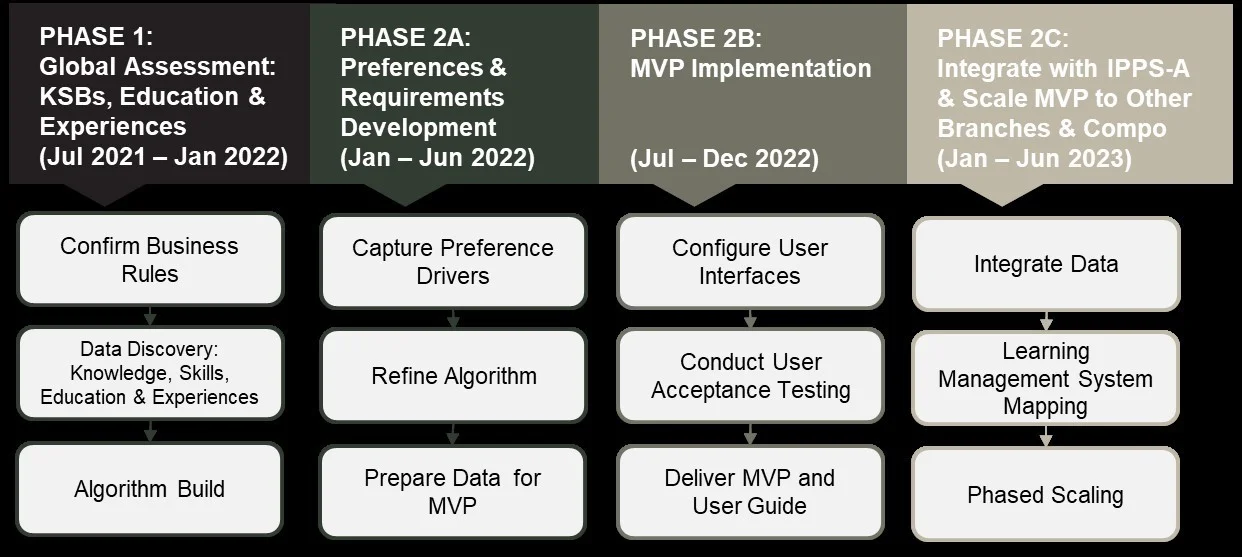
One company used competency mapping to assess skills and tailor training programs, achieving a 30% increase in skill proficiency within a year.
Employee Journey Mapping for Boosting Productivity
Employee journey mapping outlines the entire employee experience, pinpointing problem areas and opportunities to enhance productivity. By clarifying each stage of the employee lifecycle, it smooths transitions and minimizes delays. This approach improves onboarding and ongoing support by focusing on critical moments, accelerating the time it takes for new employees to acclimate and engage. It also aids in informed decision-making by providing a comprehensive view of interactions and experiences, leading to targeted productivity enhancements. One company improved its onboarding process through journey mapping, reducing new hire ramp-up time by 25% and increasing overall productivity.
For further reading on performance mapping techniques, check out these resources: