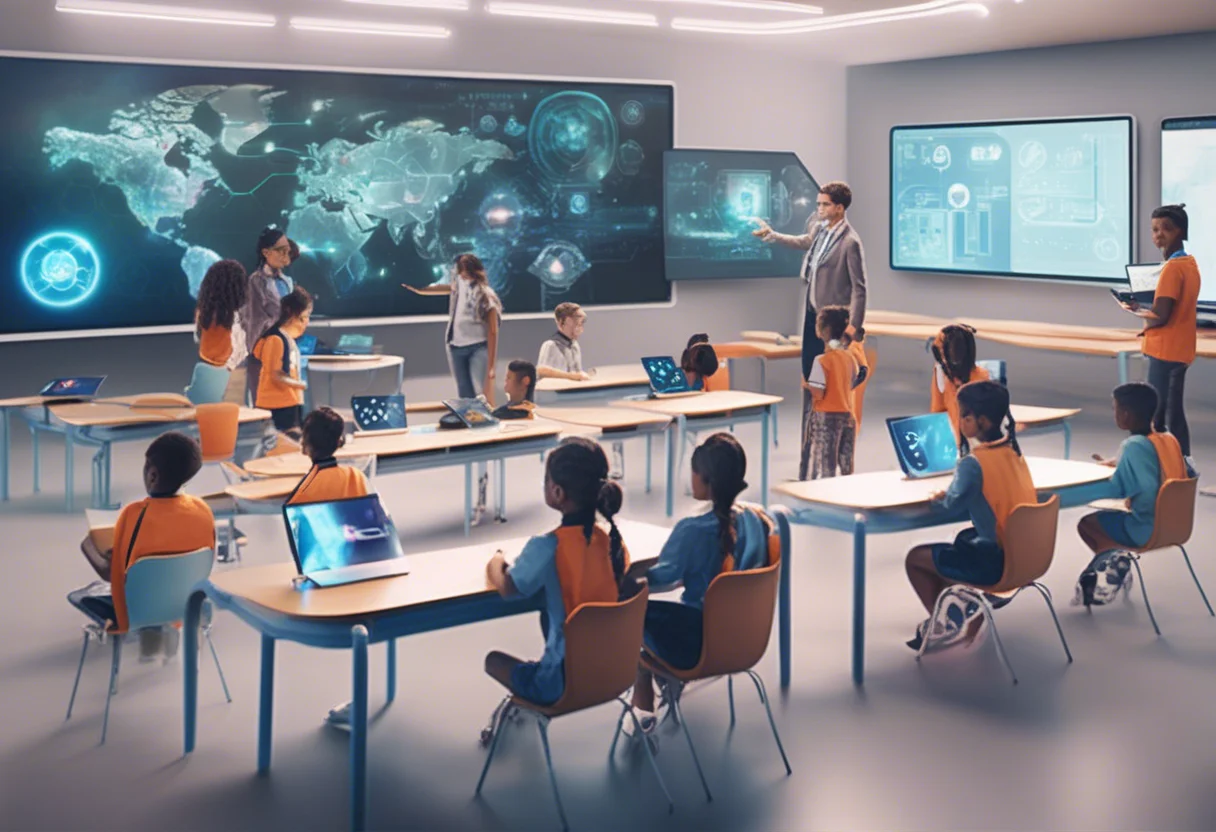
The future of education often stirs up a mix of excitement, curiosity, and a bit of worry, especially when we think about how artificial intelligence (AI) is changing K-12 schools. As technology evolves, it's important to see how federal initiatives and policies are paving the way for AI in classrooms. Did you know that 86% of teachers think AI will be a big part of education in the next ten years? That's quite a number and it makes you wonder: how will AI change how we learn, teach, and keep students engaged? This article looks at everything from how AI is being used in classrooms to the ethical questions it raises. We also look at the role of parents and communities in welcoming these tech changes. So, whether you're a teacher, a parent, or just curious about what's happening in education, let's explore the potential and challenges of AI in K-12 schools.
Summary: This article explores federal initiatives and policies influencing AI integration in K-12 education, practical classroom applications, and the ethical considerations of responsible AI usage. It also examines systemic change versus incremental adoption in education models and the involvement of parents and communities in AI adoption.
Federal Initiatives and Policies Shaping the Future of AI in K-12 Education
Recent Executive Orders and Federal Actions on AI Integration
On April 23, 2025, President Trump signed an Executive Order titled "Advancing Artificial Intelligence Education for American Youth." This initiative aims to integrate AI into K-12 education nationwide. A White House Task Force on Artificial Intelligence Education, spearheaded by the Director of the Office of Science and Technology Policy, will oversee these efforts. The task force comprises representatives from the National Science Foundation and the Departments of Education, Labor, and Agriculture, all collaborating to enhance AI literacy and training for both educators and students.
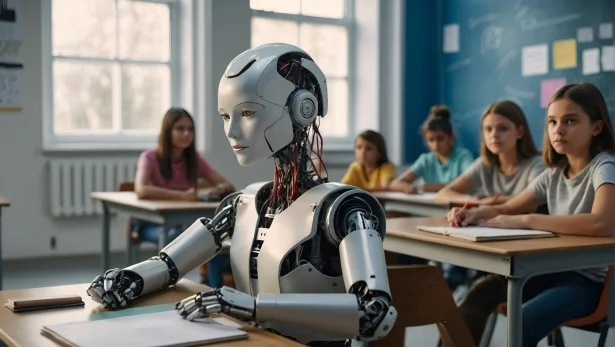
The government is advocating for schools to leverage existing federal funds for responsible AI projects, while ensuring privacy and civil rights are upheld. This action underscores the government's commitment to positioning the U.S. as a leader in AI education.
U.S. Department of Education's Role in Shaping AI Education
The U.S. Department of Education is a key player in the AI Education Task Force established by the Executive Order. Its focus includes:
- Promoting AI literacy
- Training teachers
- Integrating AI into early education
States such as Connecticut and Indiana have initiated AI pilot programs, utilizing state and federal funds to introduce AI tools and training in K-12 classrooms. For example, Connecticut's AI Pilot Program operates in seven districts, offering students in grades 7-12 access to approved AI tools, with accompanying teacher training to facilitate AI use in classrooms.
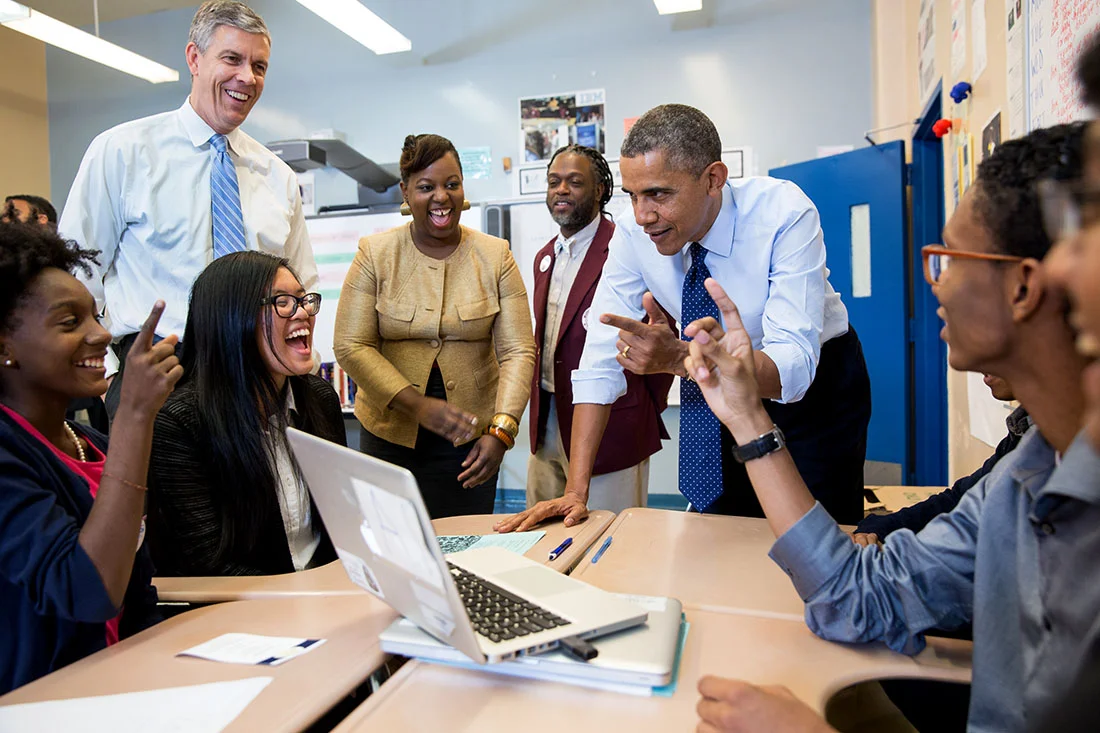
The Department supports professional development for teachers, encouraging the incorporation of AI into existing courses or the development of new ones, backed by NSF funding. This collaborative effort aims to ensure AI tools are accessible and beneficial to all students, regardless of their background.
Legal Framework and National Agenda for the Future of AI Education
The Executive Order and associated federal actions establish a legal and policy framework prioritizing AI skill-building as a central objective of education and workforce funding. In Connecticut, Public Act 24-151 mandates the State Department of Education to initiate an AI pilot program, reflecting state support for AI education.
The national agenda is to prepare a workforce adept in AI by embedding AI literacy into core subjects and investing in teacher training, apprenticeships, and AI-centric courses. This coordinated effort between federal and state levels is part of a broader national strategy to equip students with the AI skills necessary for future economic and societal challenges.
By instituting a robust legal and strategic framework, the U.S. is laying the groundwork for AI to become an integral component of the K-12 education system, with the goal of enriching learning and preparing students for the future.
Further Reading:
- Advancing Artificial Intelligence Education for American Youth
- White House Task Force on Artificial Intelligence Education
- AI pilot programs in Connecticut and Indiana
- National strategy for AI education
Practical Implementation of AI in K-12 Classrooms
Personalized Learning and Student Engagement with AI
Artificial intelligence is making waves in K-12 classrooms, and Connecticut's AI Pilot Program is a prime example. This initiative provides students from grades 7-12 with hands-on experience using state-approved AI tools, focusing on personalizing their learning journey. Teachers receive the necessary training to leverage AI in ways that significantly boost student engagement.

Similarly, Indiana's AI-Powered Platform Pilot Grant supports AI tools for high-dosage tutoring, easing the burden on teachers while personalizing learning for students. Over half of the participating teachers have reported positive feedback. Tennessee is also joining the movement by proposing AI literacy classes to prepare students for an AI-driven world. These efforts illustrate how AI can enhance learning by offering teachers quick insights and enabling smart, data-driven decisions.
Enhancing Assessment and Administrative Efficiency with AI
AI is transforming how schools manage assessments and administrative tasks. Indiana's AI platform pilot, for instance, has reduced teacher workload by automating administrative duties and supporting tutoring efforts, thanks to initial funding from federal COVID relief. The 2025 federal executive order, "Advancing Artificial Intelligence Education for American Youth," aims to minimize time-consuming administrative tasks in schools through AI.

States like California and Texas are establishing oversight boards and testing grounds to ensure AI tools are safe and effective before widespread implementation. These measures help ensure responsible AI usage while streamlining school operations. As AI's role in data-driven decision-making grows, states are transitioning from preliminary testing to fully integrating AI strategies to enhance administrative efficiency.
Overcoming Challenges in AI Integration in Education
Integrating AI into K-12 classrooms presents several challenges. Key concerns include maintaining data privacy, addressing biases in AI tools, and preserving the human element in teaching. States are striking a balance between innovation and ethics by setting up oversight boards and testing grounds, such as California's A.B. 1064 and Connecticut's S.B. 2, to responsibly test AI tools.
Ongoing professional development for teachers is crucial for effective AI adoption. Pilot programs that include teacher training are enhancing AI literacy and integration skills, ensuring educators are well-equipped to utilize AI tools. Involving staff, students, parents, and the community in AI policy-making helps address concerns and build support for AI in schools. For example, Connecticut's AI Pilot Program offers continuous teacher training and engagement sessions with stakeholders to address ethical issues and ensure responsible AI use in classrooms.
For more on AI in education, check out Education Commission of the States, ThoughtExchange, and AI for Education.
Ethical Considerations and Responsible AI Usage
Data Privacy and Security in the Future of Education
In the realm of AI in education, data privacy and security are of paramount importance. AI systems require substantial amounts of student data, which is often sensitive. Educational institutions must adhere to regulations such as FERPA in the U.S. and GDPR in Europe to ensure this data is safeguarded. These regulations mandate the proper handling and secure storage of student information.
AI systems collect detailed data, frequently stored on third-party servers, posing potential risks. Thus, schools must implement robust data protection measures like encryption and access controls. These measures are essential to protect student information and to build trust with students and parents.

Overcoming Bias in AI for Fair Educational Outcomes
AI tools in education can sometimes exhibit biases due to the datasets they are trained on, potentially affecting fairness. This bias can lead to inequitable outcomes, such as non-native speakers receiving lower essay scores or discouraging women from pursuing STEM fields.
To address this issue, developers should utilize diverse and unbiased datasets during AI training. Regular audits of AI systems are crucial to identify and correct biases, ensuring fairness. Additionally, enabling teachers and students to provide feedback on AI tools can drive improvements. By confronting bias directly, educational AI can help level the playing field, offering everyone an equal opportunity for success.

Engaging Stakeholders and Promoting AI Literacy in Education
Successfully integrating AI into schools requires the engagement and understanding of all stakeholders. Schools should involve teachers, parents, and students in the selection and implementation of AI systems to ensure ethical usage.
Teachers need training that covers both the technological and ethical aspects of AI to effectively integrate it into the classroom. Building AI literacy involves educating everyone to critically evaluate AI tools, comprehend their ethical and social impacts, and use them responsibly. Monitoring and adapting to new ethical challenges is crucial.
Workshops, seminars, and collaborative efforts can facilitate this learning, ensuring that all parties are equipped to responsibly handle AI in education.
For more insights on AI's role in education, explore the Generative AI in Education blog or the AI and Education Accelerator by Stanford.
Systemic Change vs. Incremental Adoption in Education Models
Critique of Current Educational Models in the Future of Education
The current K-12 education system faces significant challenges:
- Outdated Leadership Styles: The system often relies on hierarchical decision-making, which does not align with the complexities of modern education.
- Lack of Inclusion: The reduction of Diversity, Equity, and Inclusion (DEI) programs in many U.S. schools poses a risk. This could leave diverse learners without essential support, exacerbating existing inequalities.
- Inconsistent Social-Emotional Learning (SEL): Though crucial, SEL is under political scrutiny and inconsistently applied, impacting students' emotional development.
- Engagement and Teamwork Deficiencies: Traditional models fail to engage all stakeholders and do not foster the necessary collaboration for transformative change.
- Structural Rigidity and Political Pressures: Frequent leadership changes and inflexible structures hinder ongoing improvement, while political pressures threaten inclusive educational programs.
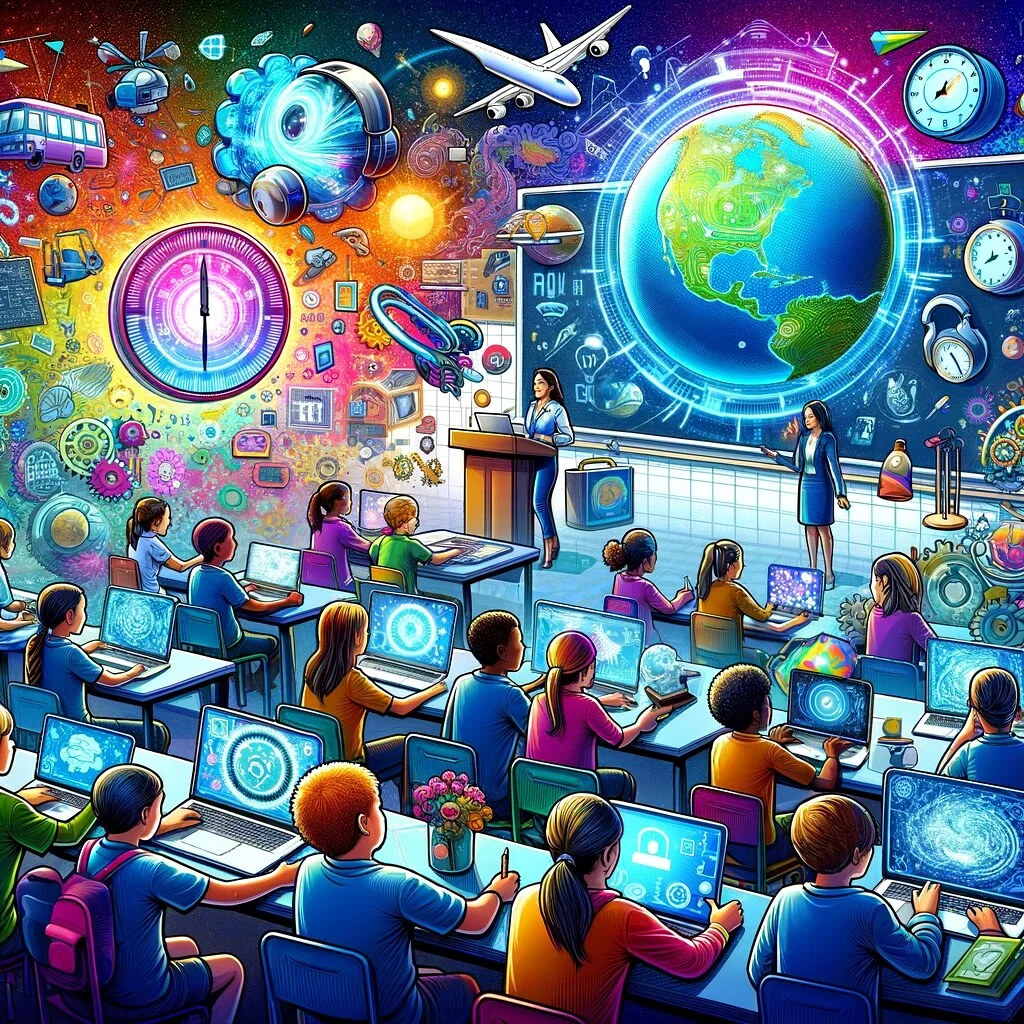
Visionary Recommendations for Educational Reform and the Future of Education
To achieve meaningful change, educational reform should focus on:
- Policy Advocacy for Freedom and Innovation: Embrace policies that support innovative and personalized learning experiences.
- Integration of AI and Adaptive Technologies: Utilize AI to personalize learning by adjusting lessons dynamically, identifying learning gaps, and enabling self-paced progress.
- Equity and Personalized Learning: A forward-thinking system should address each learner's unique strengths and needs, promoting both individual and communal benefits.
- Comprehensive Overhaul: Small fixes are insufficient; a complete transformation is necessary to adapt reforms to local contexts effectively.
- Collaborative Efforts: Reform requires the cooperation of communities, policymakers, researchers, investors, and schools to establish equitable, high-quality learning pathways.

For further reading, explore the challenges of current K-12 education systems, the implications of the elimination of DEI programs, and the necessity of meaningful educational reform. Additionally, learn about continuous improvement models that engage stakeholders transparently.
Role of Parents and Communities in the Future of AI Education
Parental Involvement in Shaping the Future of AI Education
Parents play a pivotal role in bridging the AI knowledge gap, particularly in low-income, immigrant, or rural communities across the US. Their involvement is crucial in ensuring the digital divide doesn't widen further. When parents gain an understanding of AI, it empowers children to use technology safely, fairly, and ethically. Awareness of AI risks, such as bias or misinformation, equips parents to guide their children more effectively.

Studies indicate that parental engagement with their children's use of AI enhances learning, problem-solving, and critical thinking skills. Being a digital parent involves actively guiding children to use technology responsibly. However, many parents feel uncertain about their ability to keep pace with AI advancements.
Generative AI can assist by providing personalized advice and fostering good habits. For instance, an AI coach might send reminders to parents to read with their children, blending prompts with encouragement.
Community Partnerships and Collaborations for the Future of AI in Education
Collaborating with communities and private partners is essential for effective AI education. In the US, 28 states have established or are developing AI guidelines for schools, emphasizing responsible AI use. States like Connecticut and Indiana have initiated AI pilot programs featuring hands-on learning and teacher training.
Federal initiatives, such as the 2025 executive order, advocate for AI literacy among students and teachers, encouraging widespread involvement. Building trust and fostering innovation in schools requires including families in AI discussions, promoting transparency and collaboration.
Successful AI integration in education stems from joint efforts among schools, families, teachers, and private partners to address challenges like data privacy and equitable access. Connecticut’s AI pilot program, supported by state funding, exemplifies how public-private collaboration can function by introducing AI tools and teacher training across multiple districts.
For more on parental involvement in AI education, check out CRPE. Details on AI pilot programs are available at ECS.
FAQ Section
How Are Schools Addressing Ethical Concerns of AI in the Future of Education?
In the U.S., schools are tackling the ethical concerns of AI in education head-on. The government is pushing for AI literacy by bringing AI into classrooms and offering teachers professional development programs focused on AI.
This effort isn't just about teaching students what AI is; it's also about helping teachers use AI tools responsibly. By doing this, schools are making sure that ethical issues are considered and that students understand AI's role in society. The initiative provides K-12 educators with the resources and training needed to use AI responsibly, covering ethical aspects thoroughly.
Main Challenges in Integrating AI for the Future of Education
Schools face several significant challenges when integrating AI into their curriculum:
- Teacher Training: One major issue is getting teachers up to speed so they can confidently teach and use AI technologies in class. Many teachers aren't familiar with AI, so they need comprehensive training to become comfortable with it.
-
Equal Access: Ensuring all students, including those in vulnerable groups, have equal access to AI education and resources is crucial. Schools need to address tech access disparities to avoid widening the digital divide.
-
Policy and Funding: Balancing federal oversight and local control in education funding and policy affects how AI initiatives roll out in schools. Striking this balance is key to ensuring AI tools are used effectively across different educational settings while dealing with funding and policy hurdles.
Personalizing K-12 Learning with AI for the Future of Education
AI is revolutionizing the personalization of learning for K-12 students by tailoring education to each student's needs and pace, thereby boosting engagement and results.
AI systems can adjust lessons in real-time based on student responses, providing personalized feedback and resources to help each learner progress through adaptive learning. Federal policy supports creating AI educational programs that encourage creativity and critical thinking, accommodating diverse learning paths.
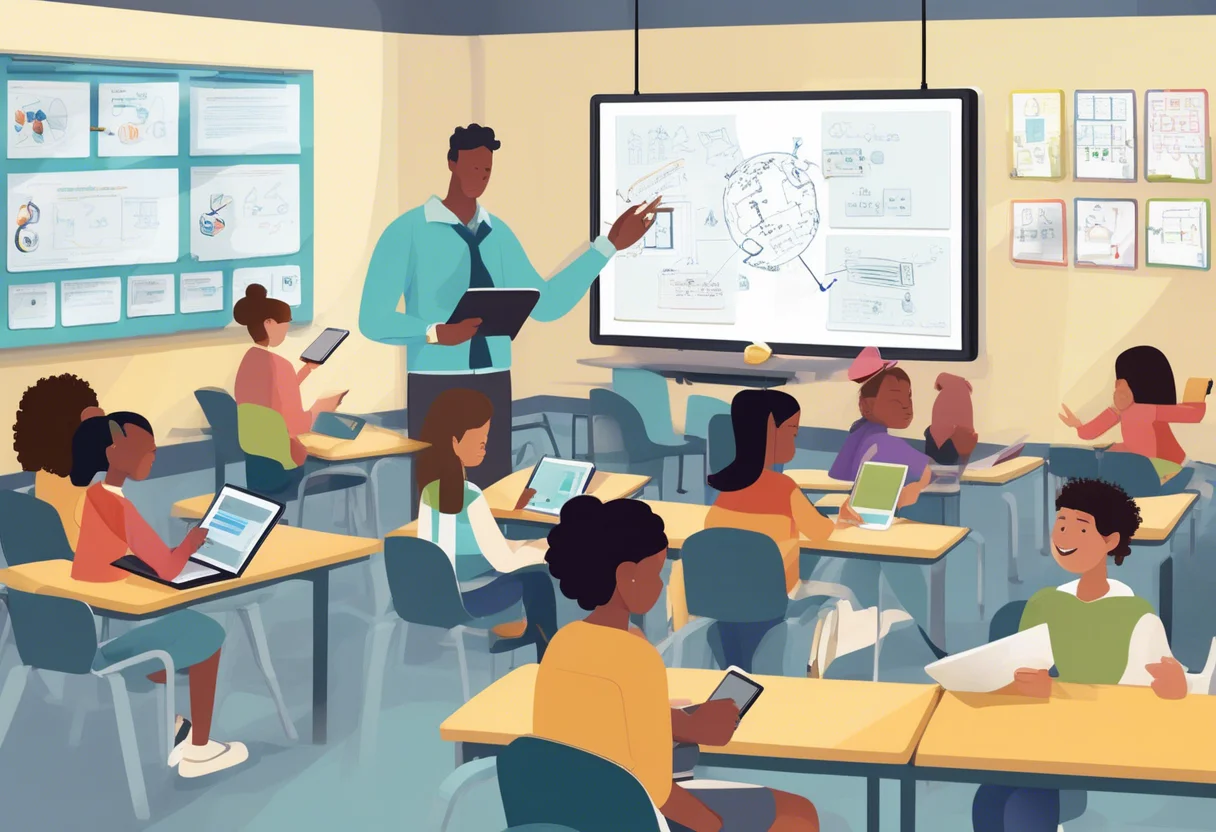
This approach ensures that educational content is not only personalized but also aligns with each student's learning pace and style, making the learning experience more engaging and effective.