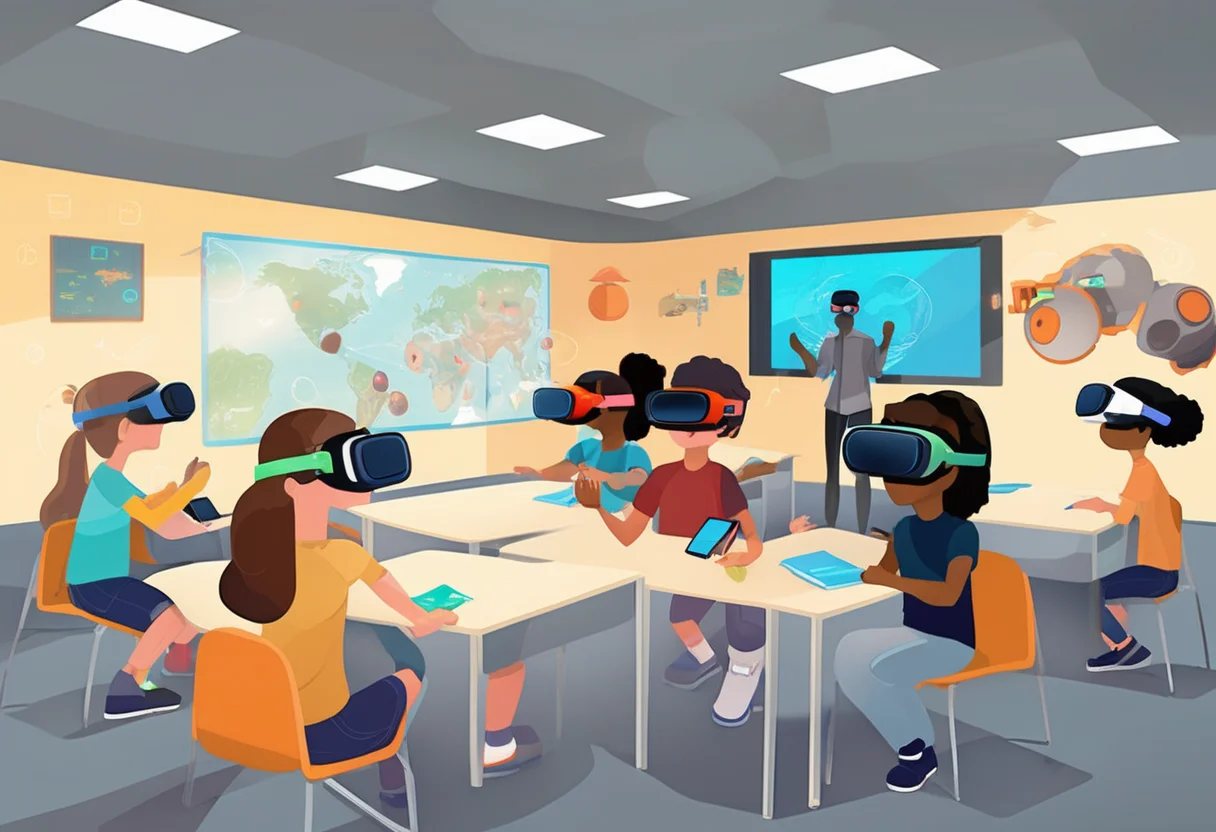
Virtual reality in education isn't just a passing fad; it's changing how we learn and teach. Picture a classroom where students explore ancient Rome without leaving their seats or try out complex science experiments in a safe virtual lab. A recent study shows VR use in education is set to grow by 42.9% by 2027. But it's not just about cool tech—it's about boosting engagement, improving memory, and offering learning experiences we never thought possible. In this article, we'll look at how VR in education has evolved, its many benefits, and the practical uses and challenges it brings. Whether you're a teacher, a student, or just curious, exploring the virtual world is both enlightening and exciting!
Summary: This article discusses the evolution, benefits, and practical applications of virtual reality in education, addressing its challenges and limitations. It also explores future prospects and innovations in the field.
The Evolution of Virtual Reality in Education
Historical Milestones in Virtual Reality Technology
Virtual reality (VR) has been around longer than you might think, with its roots tracing back to the 1950s and 60s. One of the earliest attempts to create a virtual experience was Morton Heilig's Sensorama in 1956. This innovative device combined 3D visuals, sounds, smells, and motion to immerse users in a different world. By 1960, Heilig had developed the first head-mounted display (HMD), which integrated 3D images with stereo sound, setting the stage for future VR equipment.
In 1961, the Headsight headset was introduced for military use, pioneering the concept of motion tracking. Fast forward to 1968, Ivan Sutherland developed "The Sword of Damocles," the first augmented reality headset, which superimposed computer graphics onto the real world. The 1970s saw the creation of the Aspen Movie Map, offering a virtual tour of Aspen, Colorado, and foreshadowing modern VR mapping.
The 1980s marked VR's entrance into the commercial sphere with Jaron Lanier's VPL Research, which coined the term "virtual reality" and produced innovations such as the EyePhone HMD and Data Glove. Concurrently, StereoGraphics Corporation began selling stereographic glasses, enhancing the 3D experience.
Current Applications of Virtual Reality in Education
Since the 1980s, educational technology has made significant strides. Initiatives like Universal Design for Learning (UDL) by CAST have promoted flexible teaching methods, integrating VR to support all students, particularly those with disabilities. VR has become an invaluable tool in classrooms, providing immersive learning experiences, training simulations, and opportunities for remote collaboration, expanding beyond its initial military and research applications.
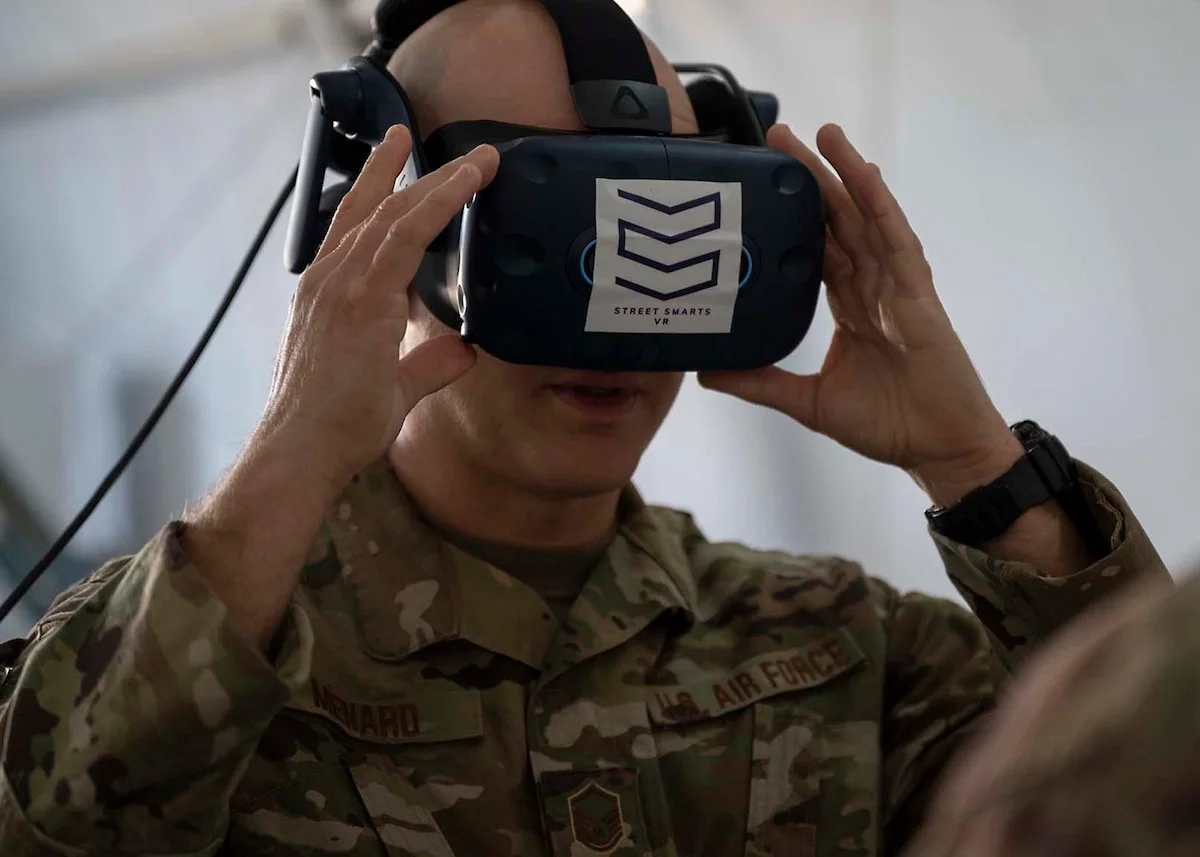
Learning management systems (LMS) that emerged in the 1990s now leverage VR to enhance online and blended learning. Today’s VR educational tools employ cutting-edge hardware and software to create engaging, inclusive learning environments, aligning with UDL principles. An example is NASA's Project VIEW from 1989, which utilized VR simulators for astronaut training and inspired subsequent educational VR technologies.
However, challenges remain, such as high costs, limited access to devices, and technological complexity. Schools must invest in scalable solutions and training to overcome these barriers, ensuring that VR content aligns with educational objectives.
Benefits of Virtual Reality in Education
Virtual Reality Boosts Student Engagement
Virtual Reality (VR) in education is revolutionizing the learning experience by making it more immersive and interactive. Instead of passively absorbing information, students can actively participate in their learning journey.
Consider Google Expeditions, which allows students to embark on virtual field trips. They can explore historical sites or the ocean floor, all from the comfort of their classroom. This hands-on learning experience is particularly beneficial for visual and kinesthetic learners who thrive in active environments.
VR's experiential approach aligns with experiential learning theories, providing real-world experiences and opportunities for interactive problem-solving. The game-like elements of VR introduce a fun, competitive aspect, motivating students to aim higher and complete tasks, thereby making learning more engaging.
Virtual Reality Enhances Learning Outcomes
Integrating VR into education has been shown to significantly enhance learning outcomes. By transforming students into active participants, VR sharpens critical thinking skills, enabling them to better organize, analyze, and understand information.
In challenging STEM subjects, VR's 3D visuals simplify complex ideas, leading to improved retention and performance. Platforms like Labster offer virtual labs where students can experiment safely, resulting in a stronger grasp of content and skills.
Studies indicate that VR learning can increase knowledge retention by up to 75% and improve test scores by up to 20% compared to traditional methods. Additionally, VR enriches online learning by offering immersive, interactive, and personalized experiences that keep students engaged and confident.
Emotional and Cognitive Advantages of VR Learning
VR learning offers both emotional and cognitive benefits. By involving students and helping them master the material, VR builds a sense of achievement and confidence, enhancing their emotional well-being.
The immersive nature of VR enhances social presence and connection, particularly during remote learning, thereby reducing feelings of isolation. VR can be tailored to accommodate diverse learning needs, including support for students with disabilities by minimizing sensory overload and providing targeted social skills training.
By presenting complex ideas in 3D, VR enhances cognitive processing and problem-solving, fostering a deeper understanding and critical thinking. For students with learning disabilities, VR environments can minimize distractions while helping them practice social interactions and cognitive tasks, creating a well-rounded and enjoyable learning experience.
Practical Applications and Use Cases
Virtual Reality in Medical Education
Virtual Reality (VR) is revolutionizing medical education by offering immersive simulations that replicate real-world medical scenarios. These include patient interactions, surgical procedures, and anatomical explorations. VR tools provide students with a safe environment to practice complex tasks, enhancing their learning experience while reducing training costs.
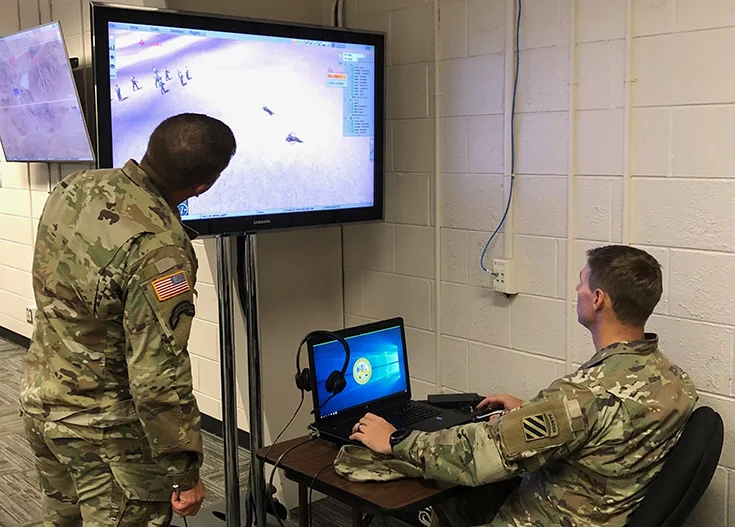
For instance, Labster allows nursing students to repeatedly perform virtual surgeries without any risk, thereby building their confidence and skills before they enter the clinical setting.
In anatomy classes, virtual labs enable students to interact with 3D models of human organs and systems. This hands-on experience aids in understanding spatial concepts and performing virtual dissections, eliminating the ethical and practical challenges of using real cadavers. Research indicates that students using VR for anatomy score 20% higher on tests compared to those using traditional methods, suggesting greater engagement and retention. Moreover, VR scenarios place healthcare students in virtual hospitals where they can safely practice diagnosing and responding to emergencies, honing their decision-making skills under pressure.
VR for Corporate Training and Skill Development
In the corporate sector, VR is becoming an essential tool for simulating real work environments. Employees can practice leadership, manage emergencies, and tackle technical tasks within a risk-free, immersive setting.
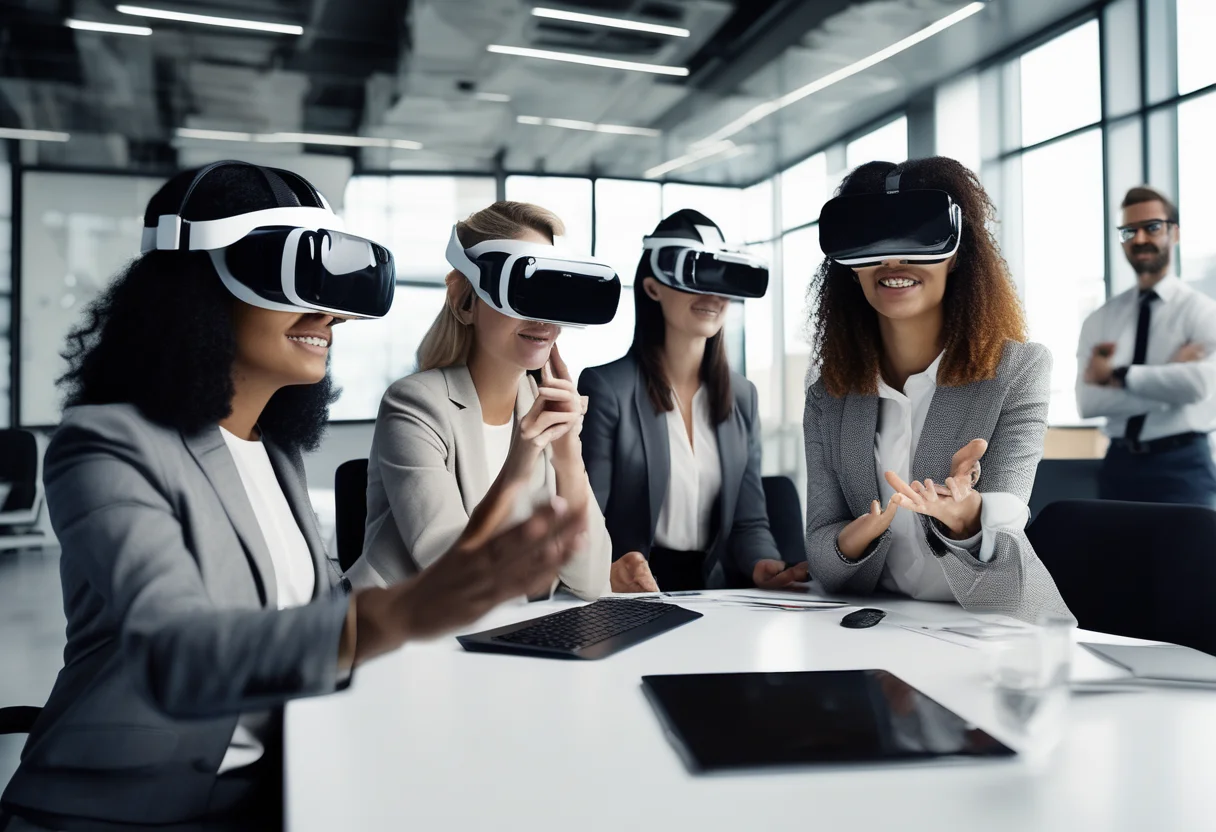
Tools like Oculus Quest for Business and Engage VR allow companies to develop custom VR training sessions that enhance learning and engagement. For example, West Virginia University’s Wehrle Global Supply Chain Lab utilizes VR to provide students with insights into supply chain management. They can embark on virtual tours of warehouses, farms, and factories, blending simulated experiences with expert insights.
Virtual Reality in K-12 and Higher Education
In K-12 education, VR field trips enable students to explore world landmarks and ecosystems without leaving the classroom, enhancing cultural awareness and helping them retain up to 75% more knowledge. This approach makes learning more engaging and allows students to delve into complex topics such as the solar system or molecular biology through immersive 3D experiences. VR also supports personalized learning by catering to various learning styles, whether visual or kinesthetic, through interactive and tailored experiences.
In higher education, universities are adopting VR to create virtual classrooms that connect students across diverse cultures and abilities. For example, Loyola Marymount University uses VR for art therapy education, enabling students to design calming virtual spaces for clinical practice. K-12 students can virtually visit Ancient Egypt, exploring pyramids and learning history interactively. Meanwhile, college students utilize VR to collaborate in virtual classrooms with peers from around the globe.
Challenges and Limitations of Virtual Reality in Education
Cost and Accessibility of Virtual Reality
Implementing VR technology in educational institutions can be a significant financial challenge. VR headsets, such as those used in a 2018 chemistry lab test, range from $600 to $3,000 each. Establishing a comprehensive VR lab can escalate costs into the tens of thousands. For instance, the aforementioned test was initially estimated at $50,000 but surged to $67,000 due to additional customization and training expenses. This financial strain resulted in fewer VR stations and limited student access.
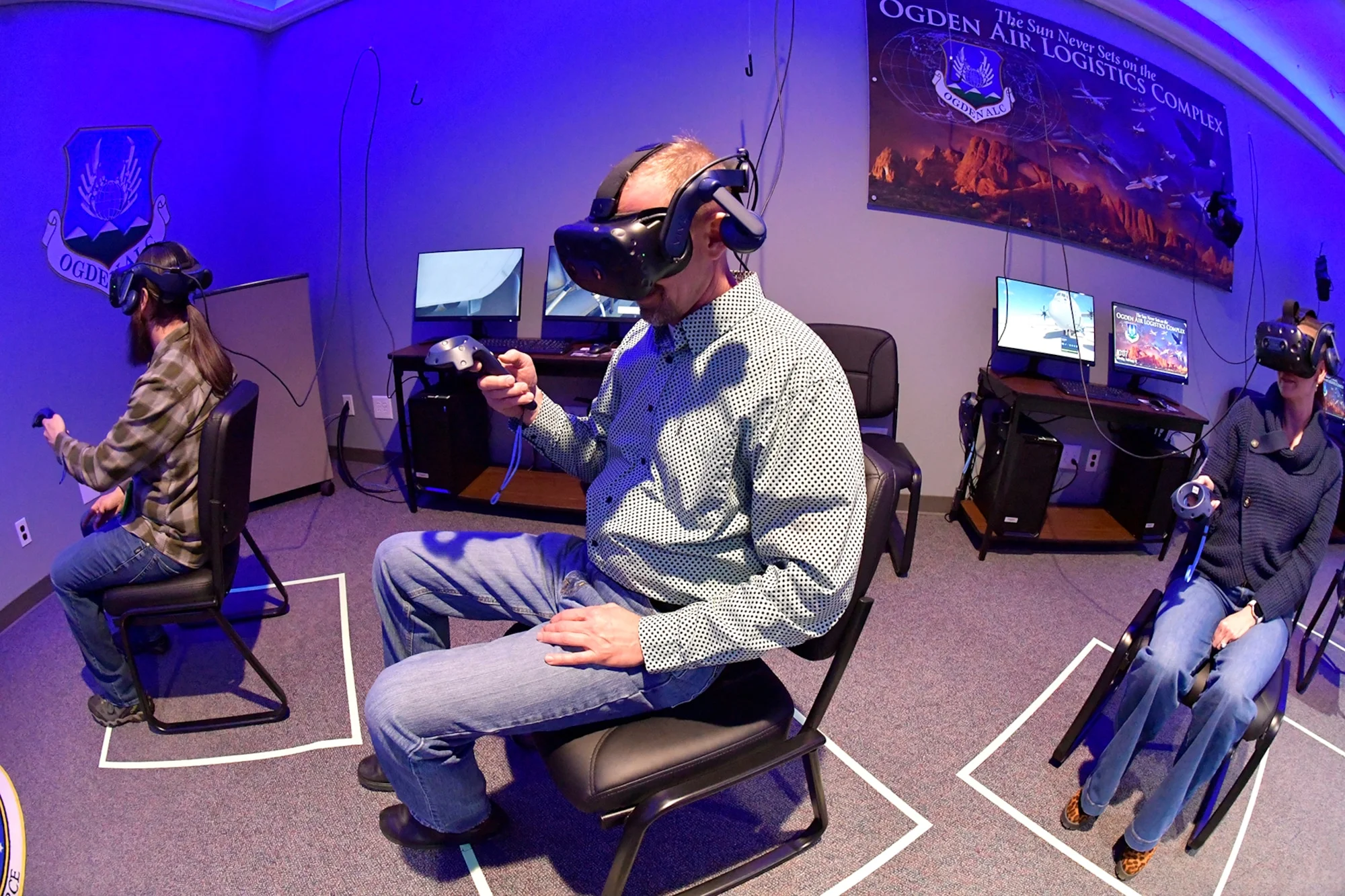
Schools with constrained budgets are particularly affected, as the high costs hinder the ability to provide these innovative learning experiences. Moreover, VR requires substantial internet bandwidth—approximately 1.2 Gbps per classroom—which many schools cannot support without significant upgrades. Consequently, these cost and technological demands are exacerbating the disparity between well-funded and underfunded schools.
Technological Challenges in Virtual Reality Integration
Integrating VR into educational settings presents several challenges. Developing appropriate content is complex, and there is a lack of clear teaching guidelines for VR use. Both students and educators need to familiarize themselves with the new technology, which can slow down the adoption process. Additionally, device compatibility issues complicate setup, while many schools lack the necessary infrastructure, such as robust networks and technical support, to implement VR effectively.
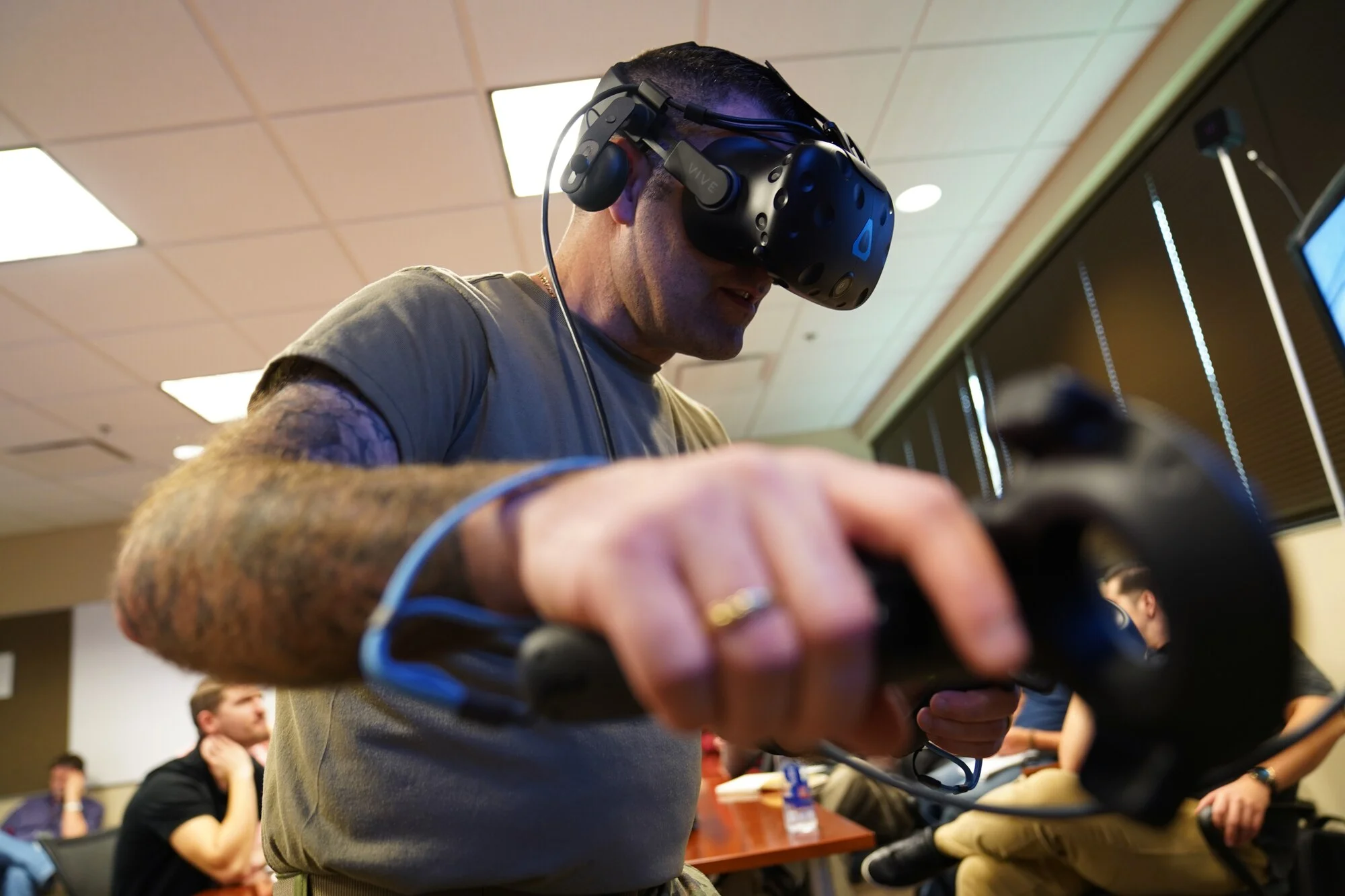
Educators require enhanced training and support to utilize VR to its full potential, underscoring the need for improved professional development.
Ethical and Health Concerns of Virtual Reality
While VR offers exciting opportunities for education, it also presents certain drawbacks. One concern is the potential reduction in face-to-face interaction, which is vital for developing social skills. VR classrooms lack the flexibility of traditional ones, limiting spontaneous discussions and teaching moments. Health issues, including motion sickness and eye strain, are also considerations. There is a risk of students becoming overly reliant on VR, preferring it over real-world activities.
Privacy concerns arise from data collection during VR use, raising questions about security. Schools must ensure that VR applications comply with privacy regulations and provide unbiased, educational content.
To address these challenges, schools can explore strategic funding and training solutions. Group purchasing and district-wide licenses can help manage costs. Utilizing edge servers to store VR content locally can alleviate network strain. Open standards like OpenXR can reduce development costs, and zero-touch mobile management can streamline updates. Collaboration among educators, developers, and policymakers is crucial in aligning VR with educational objectives and ensuring equitable access.
In summary, VR has the potential to revolutionize education, but addressing its challenges is essential for successful implementation. Thoughtful planning and investment in infrastructure, training, and ethical practices are vital to maximizing the benefits of VR in schools.
Learn more about VR in education and the challenges faced by schools in adopting this technology.
Future Prospects and Innovations in Virtual Reality in Education
Longitudinal Impact of Virtual Reality on Educational Outcomes
Virtual Reality (VR) is revolutionizing the educational landscape, significantly impacting long-term learning outcomes. Approximately 75% of teachers believe that Augmented Reality (AR) and VR significantly enhance the learning experience. Through VR, students immerse themselves in virtual environments, interact with objects, and engage in simulations—far beyond the traditional textbook approach.
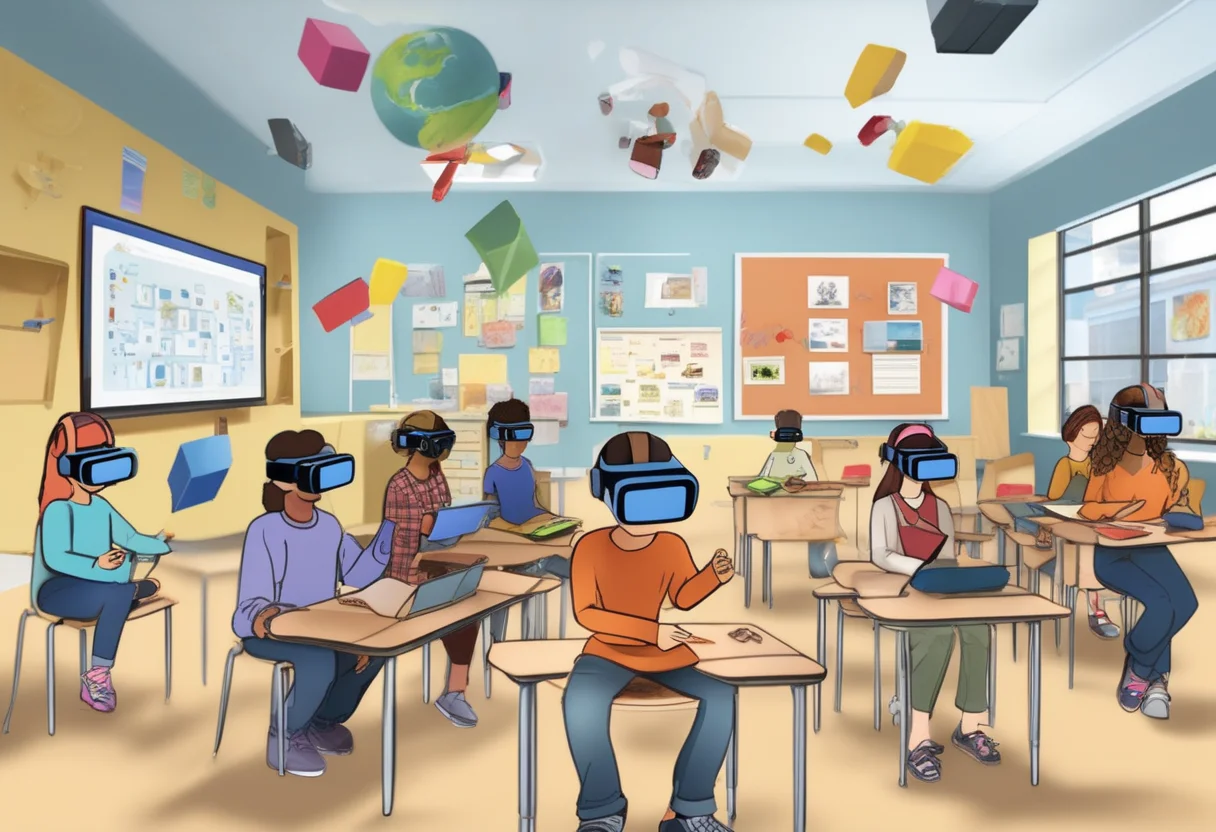
This immersive method supports personalized learning, making subjects such as chemistry, history, and medicine more engaging and practical. Furthermore, when Artificial Intelligence (AI) integrates with VR, it enhances the personalization and efficiency of learning. Envision a virtual classroom where students explore ancient Rome, navigating 3D scenes that deepen their understanding and retention of historical concepts.
Emerging Technologies and Trends in Virtual Reality Education
The landscape of VR in education is rapidly evolving, with emerging technologies making learning increasingly dynamic. Devices like Meta's Quest 3 are at the forefront, offering advanced features that enhance the accessibility and effectiveness of VR learning. The convergence of AI and Extended Reality (XR) technologies facilitates personalized learning journeys, complete with virtual tutors and chatbots that foster interactive education.
The AR and VR education market is projected to reach $12-13 billion by 2025, driven by the rising interest in immersive learning experiences.
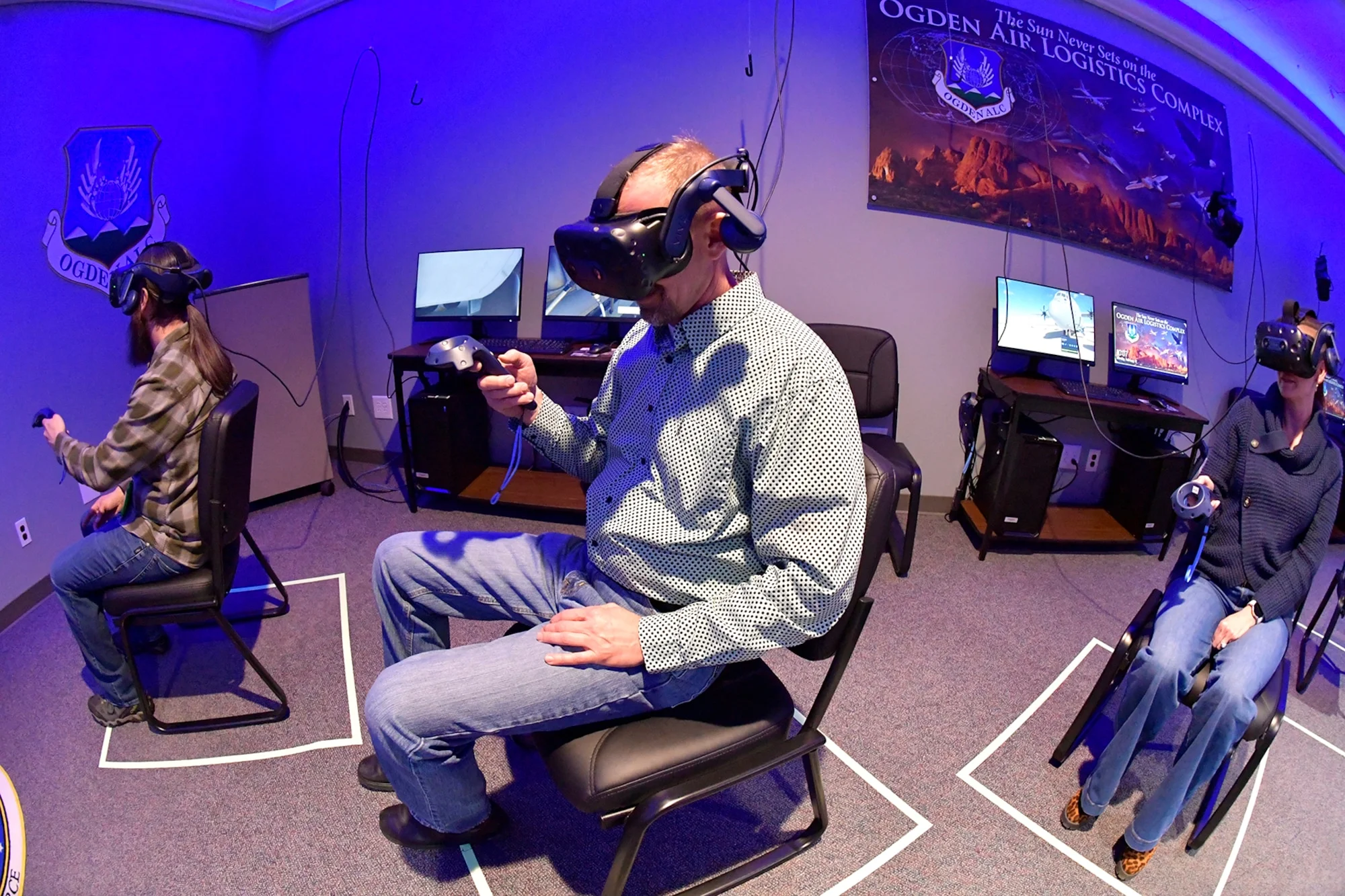
New trends are emerging, including:
- Holographic Presence and Digital Twins for safe training environments
- AI-Powered Creativity within the metaverse
- Haptic Feedback for tactile experiences
- XR-Based Job Training
Short, targeted learning sessions using VR and AR are gaining popularity, aligning well with busy schedules. Educational platforms now leverage AI-driven VR simulations to provide personalized guidance and realistic interactions, allowing learners to progress at their own pace.
Virtual reality in education is poised to transform educational paradigms, especially with AI enhancing its global reach and personalization. The XR hardware market and AI integration are key drivers of this transformation, alongside the expansion of the global AR and VR education market.
Frequently Asked Questions About Virtual Reality in Education
Comparing VR and Traditional Teaching: Which Boosts Student Engagement More?
VR really steps up student engagement by turning learning into an active experience. Instead of just reading from textbooks or listening to lectures, students can dive into immersive experiences. Imagine flying through the solar system or building molecules in 3D—it's way more engaging.
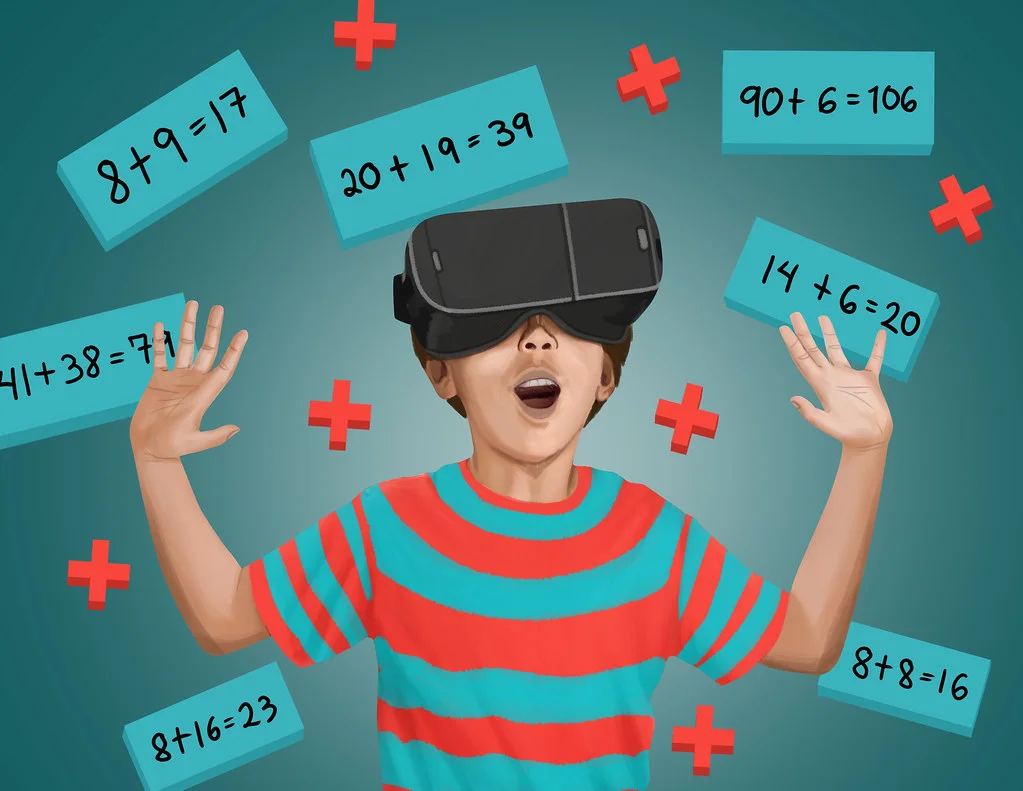
This hands-on approach gets students emotionally involved and helps them learn better. Studies show VR can boost academic performance and memory recall more than just taking notes or sitting through lectures. Because students are actively learning, the information sticks better.
Plus, VR makes remote learning feel more connected than just video calls, though after about 45 minutes, it can get tiring. Learn more about VR in education.
Overcoming Challenges of Implementing VR in Education
Bringing VR into schools isn't without its hurdles. One big issue is virtual meeting fatigue. After about 45 minutes, the benefits can drop off, so managing session length is key.
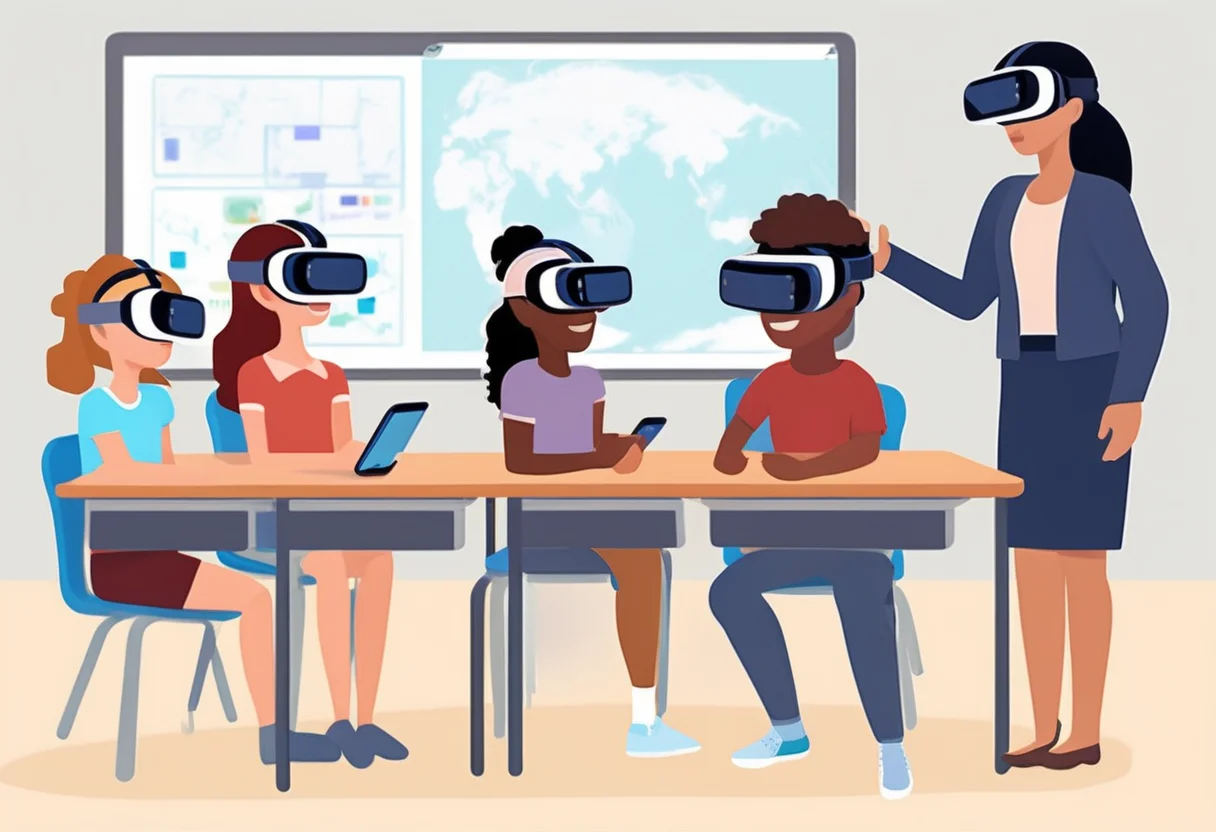
Cost and accessibility are also major hurdles since VR gear can be pricey, making it tough for many schools to afford. Then there's the challenge of updating curricula and training teachers to use VR, which takes time and effort.
Making sure VR is inclusive and accessible for students with disabilities or special needs requires special adaptations. These challenges show the need to weigh costs and benefits and look at other ways to make learning inclusive. Explore the pros and cons of VR in education.
Best Subjects for Virtual Reality in Education
VR shines in areas where seeing and doing are key. In medical training, for instance, students can practice surgeries in a safe virtual space, honing skills and cutting down errors.
Science classes like biology and physics get a boost as students can interact with ecosystems or tackle physics problems in 3D. History classes use VR for virtual trips to places students might never see in person, enriching their learning.
VR also helps with soft skills training, like leadership and communication, by simulating real-world scenarios. And it's not just for STEM—VR fits into literature and math, too, using things like 360-degree videos. Discover more about VR applications in education.