
Imagine if corporate training wasn't just another task, but a fun, personalized adventure thanks to AI. By 2025, AI could change how employees learn and grow at work. Did you know that 77% of learning and development folks think AI can make learning better? This tech can customize training, handle boring tasks, and give instant feedback, all while being mindful of ethics. Let's look at how AI can be used, the hurdles it might face, and what the future holds. You'll see how it can make work more engaging and get companies ready for a future full of new ideas. Let's check out the cool possibilities and potential challenges of using AI in corporate training!
Summary: Dieser Artikel beschreibt die transformative Rolle von KI im Bereich der Unternehmensschulung, einschließlich praktischer Anwendungen, Herausforderungen und ethischer Überlegungen sowie zukünftiger Szenarien und Technologien. Er beleuchtet zudem den Einfluss auf das Mitarbeitererlebnis und die Mitarbeiterbindung.
AI's Transformative Role in Corporate Training
Exploring AI's Impact on Corporate Training
AI is revolutionizing corporate training, leaving traditional methods in the dust. At its core, AI leverages machine learning, natural language processing, and data analytics to enhance and personalize the learning experience. These advanced tools manage mundane administrative tasks, create adaptable learning paths, and provide instant feedback.
With AI, organizations can analyze vast amounts of data to identify patterns and trends, which aids in developing tailored training programs. This approach allows for a deeper understanding of individual employee needs, adjusting learning to suit their unique styles and paces. Moreover, AI can simulate real-world scenarios, offering employees a risk-free environment to practice, thereby reinforcing learning and preparing them for real-life challenges.
Advantages of AI in Corporate Training
Personalized and Adaptive Learning with AI
One significant advantage of AI in training is its ability to personalize the learning experience. AI-powered platforms adjust content to align with each employee's objectives and requirements, fostering the development of both broad and niche skills. By analyzing various platforms and social networks, AI selects content that aligns with user interests and learning needs, as illustrated in AI in corporate training.
AI-driven platforms assess employees’ skills and learning behaviors to recommend customized training modules, enhancing learning efficiency. Adaptive training modifies materials to accommodate evolving employee needs, providing appropriate support and addressing challenges for improved outcomes. This approach enables tracking progress and delivering personalized content, catering to diverse learning speeds and styles, as detailed in Enthral AI's blog.
Leveraging Data Analytics for Predictive Insights
AI's prowess in data analytics offers organizations profound insights into their training programs. It enhances learning analytics by providing insights into performance and learning behaviors, assisting HR in making informed decisions that leverage employees' strengths and areas for growth. AI tools collect and analyze real-time data, monitoring performance indicators and identifying strengths and weaknesses for actionable improvements. This capability is crucial for identifying employees needing additional support and recognizing top performers, facilitating targeted development strategies, as explained in Disprz AI's blog.

AI's feedback loops deliver real-time insights, supporting continuous professional development beyond traditional annual reviews. This proactive approach helps organizations maintain competitiveness by consistently upskilling their workforce, as discussed by UTSA.
Boosting Efficiency and Reducing Costs with AI
AI enhances efficiency and reduces costs in corporate training. It automates tasks such as scheduling, progress tracking, and onboarding management, significantly reducing manual effort and saving resources. By minimizing manual processes, AI enables HR teams to focus on strategic objectives and more valuable tasks. It accelerates content creation by drafting outlines, generating quiz questions, rephrasing technical content, and translating for global teams, allowing for scalable quality training, as mentioned in Easygenerator's blog.
AI-powered gamification makes training more engaging and effective, increasing productivity and reducing costs associated with disengaged learners. This is particularly beneficial for multinational companies requiring consistent training across regions, as highlighted in Disprz AI's blog.
In summary, AI not only enhances the effectiveness of corporate training but also improves efficiency and cost-effectiveness. By integrating AI, organizations can maintain an agile, skilled workforce ready to tackle challenges in a rapidly evolving business landscape.
AI in Corporate Training: Practical Applications
Customized AI-Powered Courses and Intelligent Tutoring
AI is revolutionizing corporate training by personalizing educational content to meet each employee's unique needs. This approach not only makes learning more engaging but also enhances retention. AI-driven assessments adapt in real-time based on individual performance, providing a tailored learning experience. Platforms like Disco and IBM’s SkillsBuild utilize AI to recommend personalized learning paths and certifications. These recommendations align with employees' career aspirations and industry demands.
[Summary] AI-driven assessments and personalized learning paths are pivotal in aligning employee training with career goals and industry requirements.
AI mentors, such as those on LinkedIn Learning, assist employees in identifying growth areas, setting goals, and developing leadership skills. For instance, McDonald’s employs AI-driven voice-activated training and data analytics to customize onboarding. This strategy has reduced their time-to-hire by 65% and increased the completion rate of the hiring process.
AI-Generated Training Content and Virtual Instructors
AI tools are transforming content creation within corporate training. They generate role-play scenarios and microlearning modules, allowing employees to hone skills in a secure, simulated setting. Walmart exemplifies this by using AI-generated role-play and microlearning to enhance skill application and retention, resulting in happier customers and more engaged employees.
AI virtual instructors and chatbots provide immediate assistance, handling routine inquiries, which enables trainers to oversee larger groups. These AI-driven simulations and role-playing exercises create an immersive and interactive learning environment, adapting to user responses to boost both engagement and competence.
AI Studios and Platforms: Enhancing Corporate Training
Platforms like Docebo leverage machine learning to dynamically adjust training materials, thereby enhancing learning efficacy. AI automates administrative tasks in corporate training, allowing trainers to concentrate on strategic development and personalized coaching. AI translation tools facilitate global teams' access to training content in various languages, fostering inclusivity and comprehension.
[Summary] AI translation and automation tools are crucial in making training accessible and efficient across global teams.
Companies such as IBM, Amazon, and Walmart employ AI platforms to upskill employees, heighten engagement, and elevate performance through predictive analytics and personalized learning journeys. PwC's 'PowerUp' gamified AI training platform engages over 9,000 employees each month, illustrating the widespread adoption of AI upskilling programs in corporate environments. These initiatives enhance AI literacy and prepare the workforce for future challenges.
Challenges and Ethical Considerations of AI in Corporate Training
Overcoming AI Integration Challenges in Corporate Training Programs
A significant challenge in incorporating AI into corporate training is the lack of adequate training on AI itself for many employees. According to the 2024 Work Trend Index by Microsoft and LinkedIn, only 39% of AI users receive any workplace training.
However, AI-powered training can significantly enhance crucial human skills such as creativity, teamwork, and problem-solving, which are essential for workplace success. These AI-driven platforms offer personalized training tailored to each employee's career stage, thereby increasing engagement and retention.

Community colleges and local organizations, supported by federal initiatives like the Strengthening Community Colleges Training Grants, play a vital role in AI workforce training. Effective programs combine traditional learning with hands-on experiences, such as apprenticeships and Career Technical Education (CTE). Some states have even developed AI-focused CTE programs. Additionally, AI can enhance the training experience through gamification, dynamically adjusting challenges based on learner performance to maintain engagement.
Addressing Ethical Concerns: Data Privacy and Bias in AI Training
Incorporating AI into corporate training necessitates careful consideration of ethical issues, including data privacy, the risk of biased algorithms, and the potential erosion of interpersonal skills like trust and collaboration. Companies must diligently monitor AI systems to identify and rectify biases, ensuring that learning programs are equitable.
Establishing clear guidelines and codes of conduct is essential for the ethical use of AI in the workplace, particularly to address concerns about job displacement and equitable access to AI training. Financial constraints and data quality also present ethical and practical challenges, as poor data can result in biased AI outcomes, impacting the fairness of training programs.
Emphasizing education and transparency is crucial to overcoming resistance and fostering trust among stakeholders.
Future Scenarios and Emerging Technologies in AI Corporate Training
AI-Driven Corporate Training Innovations Post-2025
By 2025, AI is revolutionizing corporate training through highly personalized learning experiences. AI algorithms tailor content to accommodate individual learning styles, progress, and preferences, enhancing the efficiency and effectiveness of training programs. Key tools driving this change include:
- AI-generated videos
- Chatbots
- Virtual coaches
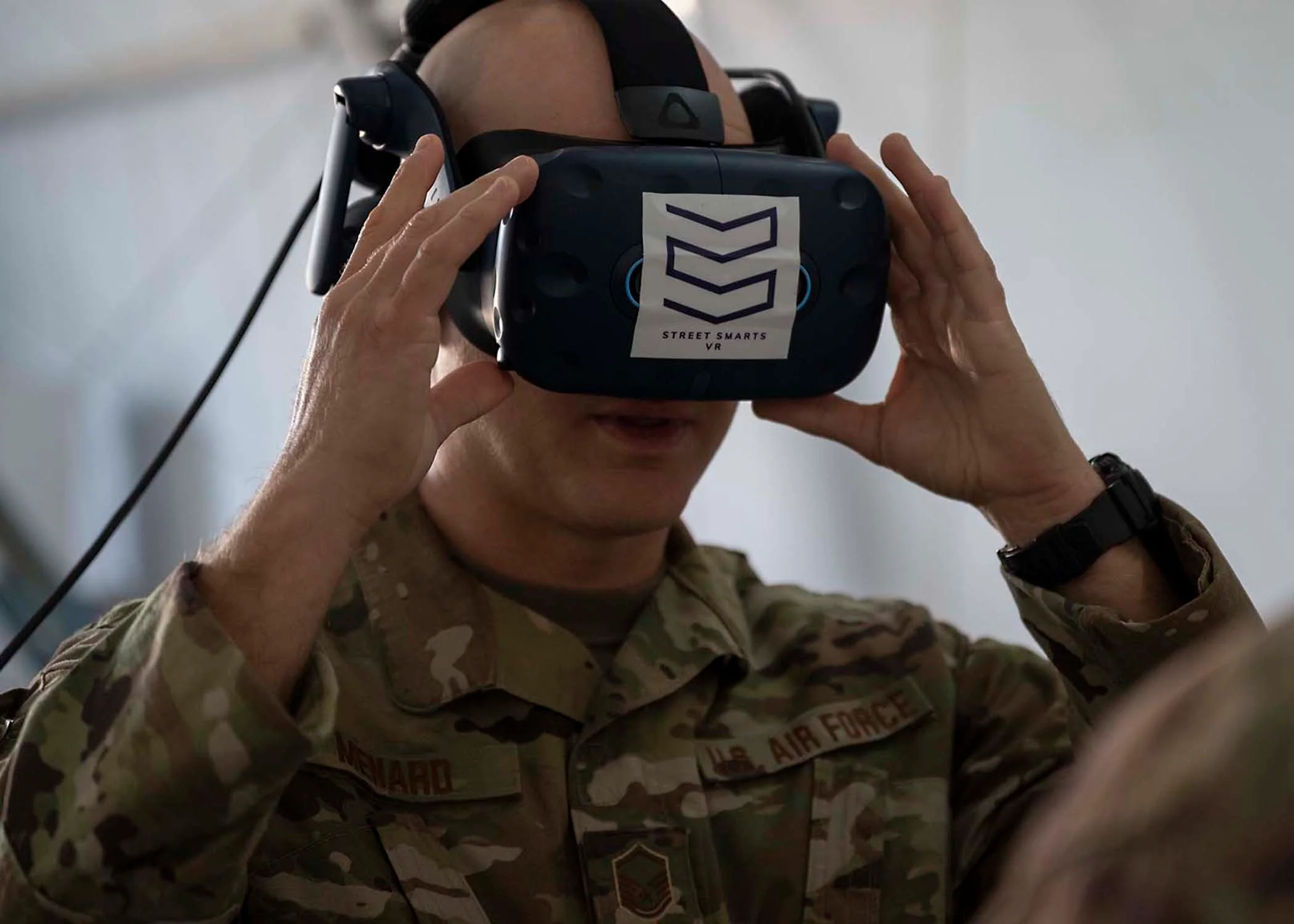
- VR/AR simulations
These tools not only reduce costs and scale effortlessly but also provide immersive, real-time learning support. AI personal coaching systems, often referred to as virtual mentors or intelligent tutors, adapt to individual learning patterns, deliver instant feedback, and offer coaching on demand. This approach accelerates skill acquisition and facilitates on-the-job learning.
With AI integrated into learning and development, there is a noticeable boost in employee engagement, leadership growth, and continuous learning. This integration helps companies cultivate flexible, resilient, and innovative teams. AI is transitioning from experimental phases to becoming a pivotal component of training, supported by robust policies and frameworks. The corporate learning landscape is rapidly evolving, driven by a skills-based economy where continuous upskilling is crucial. AI stands at the core of this transformation, making learning both personal and scalable.
Importance of AI Literacy Programs in Corporate Training
AI literacy and data upskilling programs are essential for companies to fully leverage AI-driven training. These programs swiftly bridge skill gaps, ensuring businesses remain competitive in dynamic markets. AI literacy programs empower employees to understand AI, facilitating smoother interactions with AI tools and better utilization of AI insights in their roles. This fosters a culture of continuous learning and innovation.

Increasingly, workforce education combines AI literacy with practical learning pathways such as apprenticeships and internships. Companies emphasize AI literacy to thrive in a skills-based economy, where AI knowledge is vital for personal growth and organizational agility. A typical AI literacy program may include interactive modules that explain AI concepts alongside hands-on exercises with AI tools. This approach enables employees to confidently navigate AI training platforms and apply AI insights in their daily tasks.
Impact of AI on Employee Experience and Engagement
Boosting Employee Engagement and Productivity with AI
AI in corporate training allows for the creation of learning paths tailored to each employee's needs, preferences, and learning styles. This personalization makes learning more relevant and effective, thereby boosting engagement. With AI-powered personal coaching and virtual mentors, employees receive real-time feedback and guidance aligned with their learning styles. This support sustains motivation and enhances productivity by fostering continuous skill growth.
Moreover, AI-driven learning analytics provide trainers and organizations with insights into learners' progress, facilitating targeted improvements to enhance training outcomes and engagement.
By automating the administrative aspects of training, AI enables trainers to focus on the creative and enjoyable parts of learning. This shift enhances the overall effectiveness of corporate training programs. Implementing AI in workplace learning supports just-in-time learning and continuous development, helping employees keep up with industry trends and improve job performance.
For instance, a multinational company utilized AI-driven personalized learning platforms to tailor content to employees’ skill gaps and preferences. This approach led to a 30% increase in course completion rates and a significant boost in engagement scores within six months.
AI-Driven Personalized Career Development
AI shapes personalized career development by analyzing employee skills, performance data, and learning history. It suggests learning paths and upskilling opportunities that align with individual career goals, encouraging employees to take charge of their learning and career growth. AI tools accelerate content creation and manage the learning process.
AI-driven immersive training and predictive analytics identify future skill needs and career opportunities, aiding in strategic workforce planning and personal career growth. Companies investing in AI training often experience enhanced support for employee skill development, leading to increased opportunities for employees to engage in AI tool development and advance their careers.
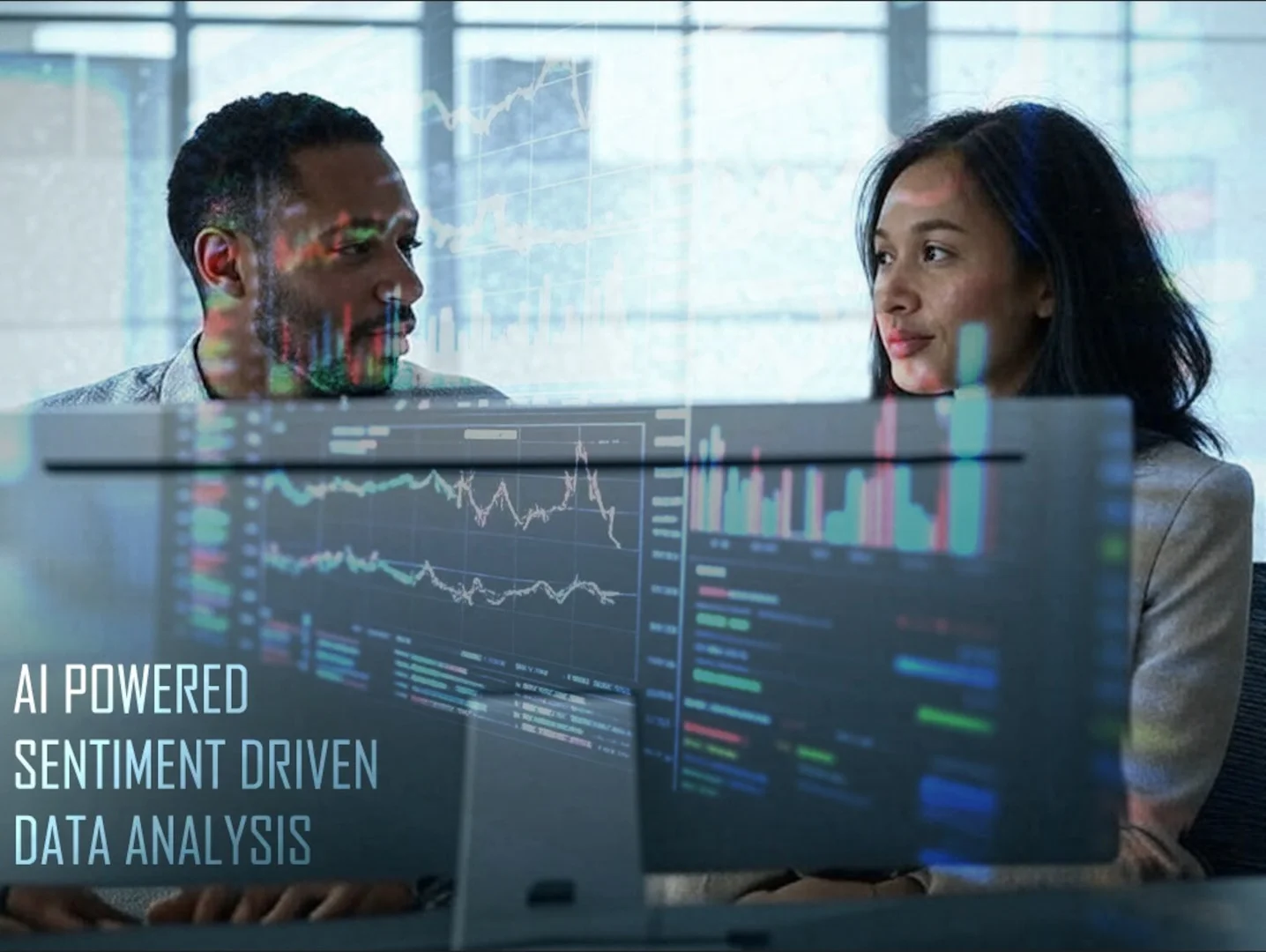
One organization implemented AI to create personalized career development dashboards. These dashboards recommended specific learning modules and projects based on employees’ current skills and career goals, resulting in higher employee retention and job satisfaction.
FAQ Section
How AI-Driven Training Enhances Employee Engagement and Productivity
AI-driven training can significantly enhance employee engagement by personalizing the learning experience. Imagine a training program tailored to your style, interests, and career goals. When training is relevant, employees are more likely to stay interested and motivated. For instance, a sales employee might receive lessons on negotiation skills, while an IT professional explores cybersecurity. It’s all about making the training resonate with each individual.
A Deloitte report highlights that companies utilizing AI for learning experience a 20% increase in engagement and a 15% improvement in knowledge retention.
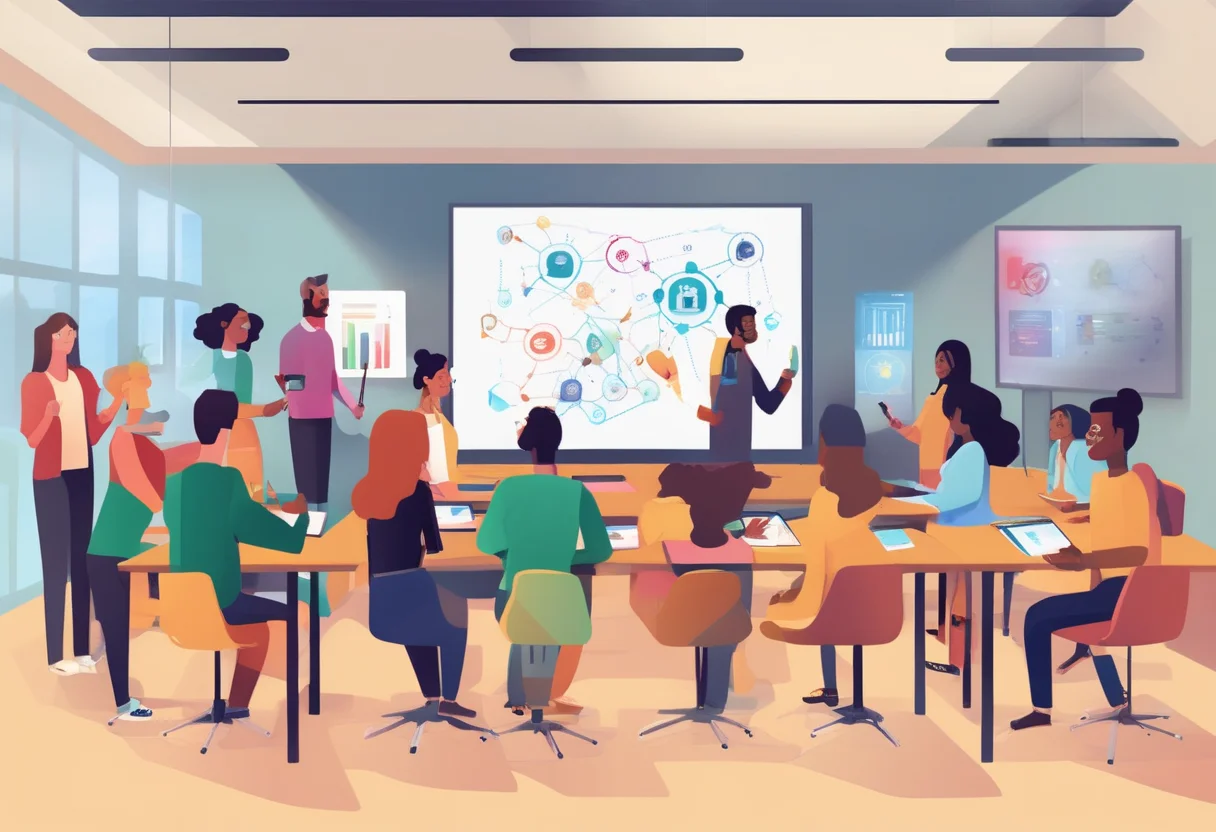
But AI's benefits don't stop at engagement—it also boosts productivity. By automating tasks like scheduling and tracking progress, AI allows HR to focus on larger objectives. Tailored training ensures employees remember and apply what they learn more effectively. Additionally, tools like chatbots and virtual assistants enhance interactivity, providing real-time assistance and feedback. The result? More engaged and productive employees.
Challenges in Integrating AI into Corporate Training Programs
Many learning and development teams are navigating the challenge of leveraging AI effectively without sacrificing the human touch. The key is to use AI as a support tool, not a replacement for trainers. Another concern is maintaining employee data security and privacy when using AI for performance analysis.
Adapting AI to meet diverse learning needs and evolving skill requirements can be complex and costly. Some companies find themselves stuck in the pilot phase due to a lack of a clear strategy for integrating AI with existing training systems or educating teams on AI tool usage. Best practices include using AI to accelerate content creation while combining it with human oversight to ensure quality and relevance.
Predicting Future Skill Gaps with AI in Corporate Training
AI excels at analyzing vast amounts of data on employee performance, skillsets, and industry trends to identify skill gaps before they become critical issues. By monitoring learning progress and job requirements, AI can forecast future skill needs and recommend reskilling strategies.
Executives predict that 40% of their workforce will require reskilling due to AI and automation in the coming years, underscoring AI's role in future planning.
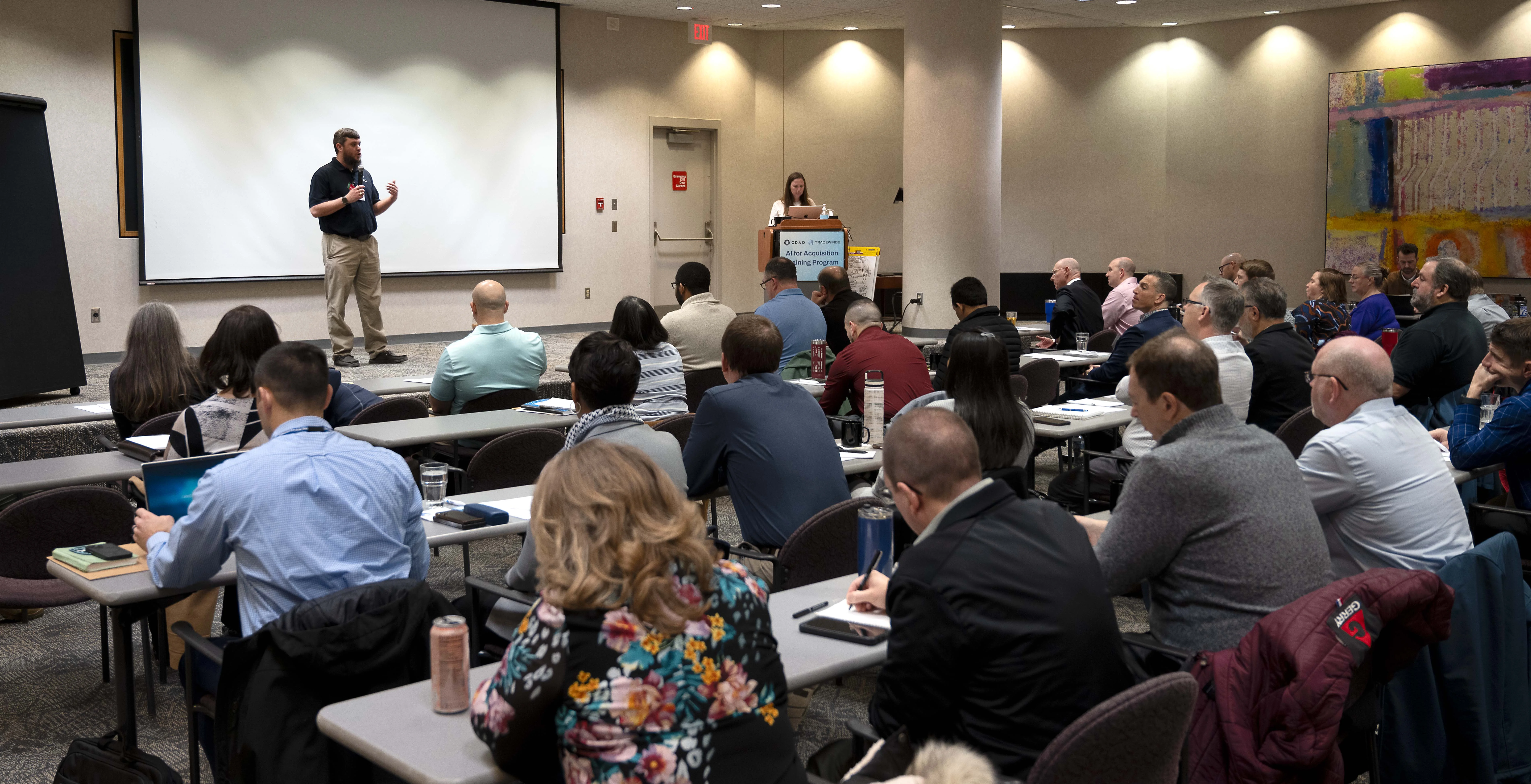
AI-powered analytics provide managers with insights to make informed HR decisions that align with individual strengths and development needs, efficiently closing skill gaps. For example, if AI detects an increasing demand for digital skills in a department, it can propose personalized learning paths to prepare employees for upcoming challenges. This proactive approach helps companies remain competitive in a rapidly evolving job market.