In education, there's a big question: How does AI change personalized learning in classrooms today? It's not just a trend; it's a real shift. Think about it—each student getting an education that fits them perfectly, matching their needs and pace. That's what AI promises in personalized learning. A recent study shows that 86% of teachers think AI can make learning better by offering more tailored and adaptable experiences. This article looks at how these personalized learning experiences are changing education, the key role AI has, and what might come next. We'll cover everything from real-life examples to the benefits and challenges of using AI. So, whether you're a teacher, a student, or just interested in the future of learning, stick around. This is something you'll want to know about!
Summary: Dieser Artikel beschreibt die Rolle von KI in personalisierten Lernerfahrungen, einschließlich praktischer Beispiele und Anwendungsfälle, sowie die Vorteile, Herausforderungen, zukünftigen Trends und Auswirkungen.
Understanding Personalized Learning Experiences
Definition and Importance of Personalized Learning
Personalized learning is all about shaping education to fit each student. Think of it like tailoring a suit; it fits just right because it's made for you. This approach allows students to learn in a way that matches their needs, skills, and interests.
Unlike the traditional one-size-fits-all method, personalized learning enables students to connect with what they’re learning and progress at their own speed. When learning feels personal, students are more attentive and motivated. They delve deeper into subjects, leveraging their strengths to truly understand the material.
Moreover, students have a say in their learning by setting goals, selecting activities, and tracking their progress. This process builds their confidence and motivation. Studies even show that students in these settings can score up to 30% higher on tests, with improved attendance and retention. It's a powerful way to enhance learning outcomes.
Key Components of Personalized Learning Experiences
Importance of Learner Profiles in Personalized Learning
Think of learner profiles as a snapshot of a student’s likes, dislikes, strengths, and areas for improvement. These profiles assist teachers in tailoring lessons to each student. By understanding what makes a student tick, teachers can create a more engaging and effective learning experience. These profiles are developed through assessments, observing students in action, and gathering their feedback.
Benefits of Personalized Learning Paths
With personalized learning paths, students set their own goals and follow a curriculum that suits them. It’s like having a map for their educational journey. This approach encourages students to take charge and explore subjects at their own pace. Technology plays a crucial role here, offering platforms that adapt to a student's progress and needs.
Understanding Competency-Based Progression
In this setup, students advance by mastering a subject, not simply by spending a set amount of time in class. They progress when they thoroughly understand the material, which helps prevent gaps in learning. This method makes the learning journey more personalized and comprehensive.
Creating Flexible Learning Environments
Flexible learning environments introduce various ways to learn, such as online courses, projects, or group work. By providing multiple methods, students can choose what suits them best, enriching their learning experience and aligning it with their personal style.
The Role of AI in Personalized Learning
AI Technologies Enhancing Personalized Learning Experiences
AI is revolutionizing the educational landscape by personalizing learning experiences to meet individual student needs. AI-driven adaptive learning systems analyze student data to customize learning, adjusting both the pace and content to suit each learner. Platforms like DreamBox Learning and Knewton dynamically modify difficulty levels and recommend resources based on real-time student performance. This personalized approach enhances engagement, allowing students to progress at their own pace and master foundational concepts before advancing.
AI also promotes inclusivity in education by providing tools such as text-to-speech, closed captions, and simplified language, ensuring effective learning for everyone, including those with disabilities. Moreover, AI automates routine tasks like grading and progress tracking, freeing up teachers to focus on building relationships with students and developing personalized teaching strategies. Intelligent Tutoring Systems (ITS) simulate one-on-one tutoring, offering customized feedback and support to enhance understanding and retention. AI systems deliver immediate feedback, which aids in improving comprehension, maintaining student engagement, and boosting overall performance.
Deepbrain AI and AI Studios: Personalized Learning Platforms
Platforms like Deepbrain AI leverage AI to develop custom educational content and interactive lessons that captivate learners and enhance retention. These platforms create personalized learning pathways by analyzing student data and adapting content to align with individual needs and preferences in real-time. Deepbrain AI employs machine learning to generate educational videos and interactive modules tailored to each student's pace and learning style.
AI Studios facilitate scalable personalized learning by automating content creation and providing instant feedback, thereby improving outcomes for both educators and students. Deepbrain AI's analytics tools offer educators insights into student performance and engagement, enabling data-driven decisions to refine teaching strategies. By understanding how students interact with AI-generated content, teachers can adjust their methods to better support each student's educational journey.
Practical Examples and Use Cases of Personalized Learning Experiences
Case Study: AI Enhancing Personalized Learning in K-12 Education
In K-12 schools, technology is transforming how students learn by making lessons more personalized. Students can now learn at their own speed using a variety of tools such as videos, online activities, and reading materials. Learning management systems (LMS) facilitate this by allowing students to access assignments and collaborate from anywhere, on any device.
Empowering Student Choice in Personalized Learning
Empowering students to choose how they learn is crucial. They can select resources and plan their learning through learning centers, flipped classrooms, and playlists. Project-based and group work enables students to delve deeper into subjects, solve problems, understand tasks, divide roles, and demonstrate real learning outcomes. Performance-based assessments allow students to showcase their knowledge through open-ended tasks, providing multiple avenues for success and valuable feedback.
Competency-Based Education (CBE) for Personalized Learning
CBE allows students to progress once they master skills, rather than just spending time in class, which increases graduation rates. Project-Based Learning (PBL) connects tasks to students' interests and future careers, fostering essential skills like creativity and critical thinking, which enhances memory retention. Student advisories offer personal mentorship, supporting both social-emotional growth and academic guidance.
AI in Higher Education and Corporate Training for Personalized Learning
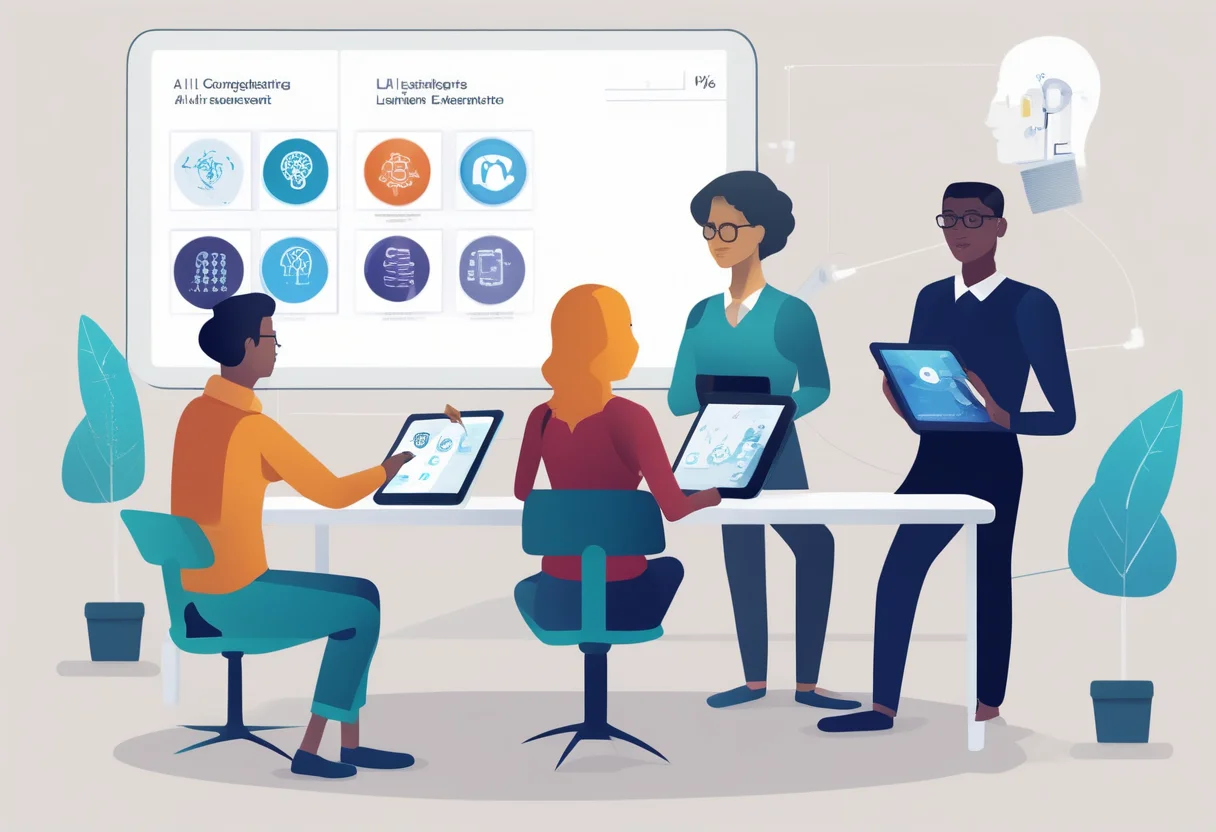
In higher education and corporate settings, AI personalizes learning by tailoring content to individual needs. For instance, AI-driven in-app guidance in corporate training accelerates the learning process for complex systems like CRM and ERP, reducing the time needed to become proficient by up to half. Online courses provide real-time feedback and adaptive learning paths, allowing learners to progress at their own pace with quizzes that adapt to their strengths and weaknesses.
Personalized Learning Tools in Higher Education and Corporate Training
These tools include examples and scenarios relevant to the learner's job context, which enhances engagement and retention. Learner profiles assist educators and trainers in customizing instruction, promoting responsibility and focused growth. AI's ability to tailor educational experiences across various settings demonstrates its potential to revolutionize learning by addressing the unique needs of each learner.
Benefits and Challenges of AI in Personalized Learning Experiences
Advantages of AI in Personalized Learning Experiences
AI-personalized learning transforms education by tailoring lessons to fit each student's unique needs and abilities. It dynamically adjusts content, providing support to those who struggle while challenging those who excel. Platforms like DreamBox and Smart Sparrow achieve this by analyzing student performance to create custom learning paths that enhance engagement and outcomes.
These AI-driven experiences align lessons with students' interests and learning styles, boosting motivation, focus, and retention. Furthermore, AI offers immediate, detailed feedback, helping students identify their strengths and weaknesses and assisting teachers in planning future lessons.
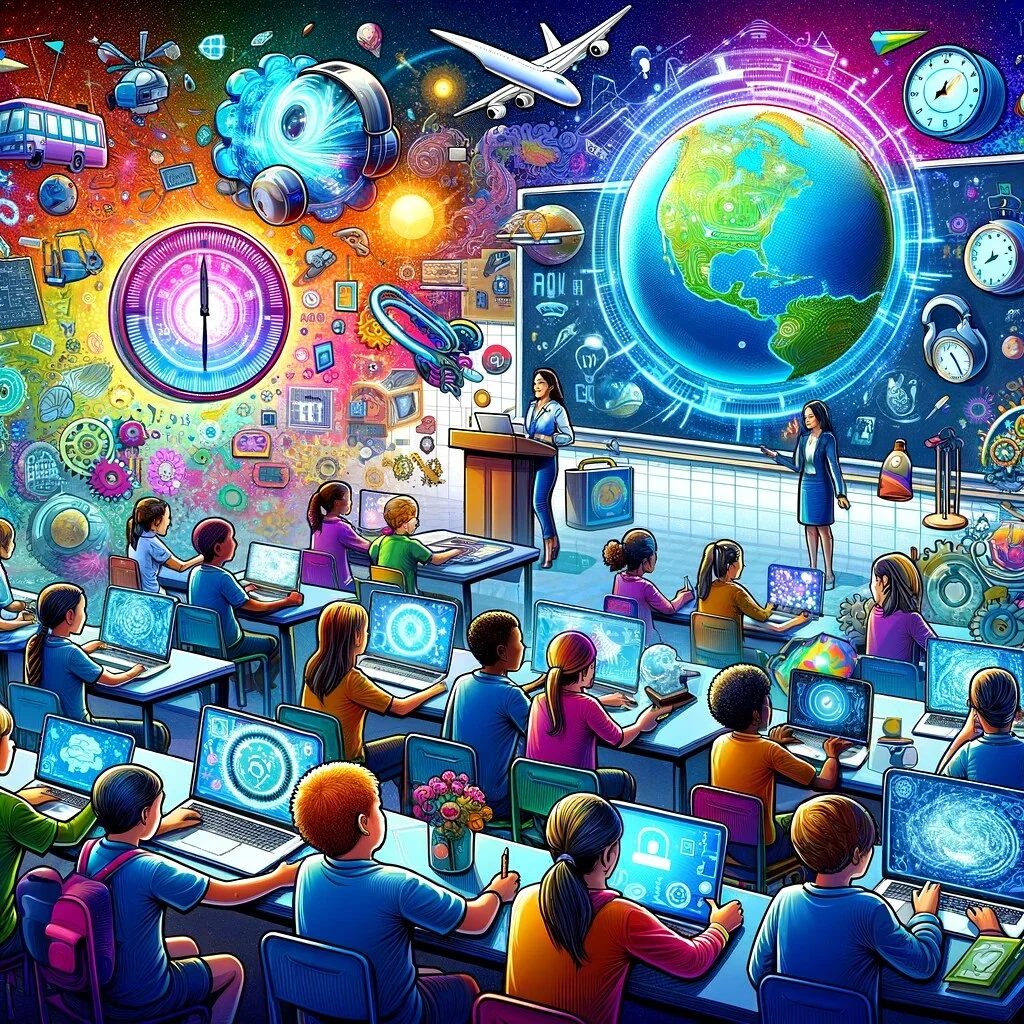
AI accommodates various learning styles—be it visual, auditory, or kinesthetic—making education more inclusive and effective. By automating tasks such as grading and attendance, AI allows teachers to concentrate more on personalized instruction. AI tools also support the creation and enhancement of educational content, from lessons to activities and assessments, fostering a personalized learning environment.
With AI, teaching becomes more precise by tracking what a student knows, what they need to learn, and how they learn best, making personalized education more feasible and widespread.
Challenges and Ethical Considerations in AI-Personalized Learning
Despite its advantages, AI in personalized learning presents challenges and ethical concerns. The reliance on student data collection and analysis raises significant privacy and security issues that schools must address diligently. AI systems can perpetuate or even exacerbate biases if they rely on biased data, necessitating regular checks to ensure fair and inclusive learning recommendations.
It's important to remember that AI cannot replace the emotional support, creativity, and mentorship that human teachers provide. Balancing technology with human interaction is crucial to prevent learning from becoming impersonal.
There is a concern that over-reliance on AI could lead to a soulless educational experience. Thus, the focus should be on using AI to enhance, not replace, human engagement. Integrating AI into education involves addressing ethical issues such as transparency, accountability, and equitable access to ensure all students benefit equally. Schools must establish strict data protection policies and regularly review AI algorithms to prevent bias and safeguard student privacy.
Future Trends and Implications
Emerging AI Technologies Enhancing Personalized Learning
AI is revolutionizing education by making learning more personalized. By 2025, tools such as AI-generated content and adaptive learning technologies will be ubiquitous, tailoring learning paths to fit each student's needs, preferences, and pace. These tools, including AI-powered content creation, accelerate the creation of diverse learning materials, such as quick microlearning videos and scenario-based experiences, making learning more relevant and engaging.
AI tutors are becoming increasingly sophisticated, utilizing emotion detection to adjust lessons based on how students feel and learn best. This enhances engagement by adapting to students' moods. Moreover, integrating AI with virtual reality (VR) results in immersive, tailor-made learning experiences that aid both engagement and memory.
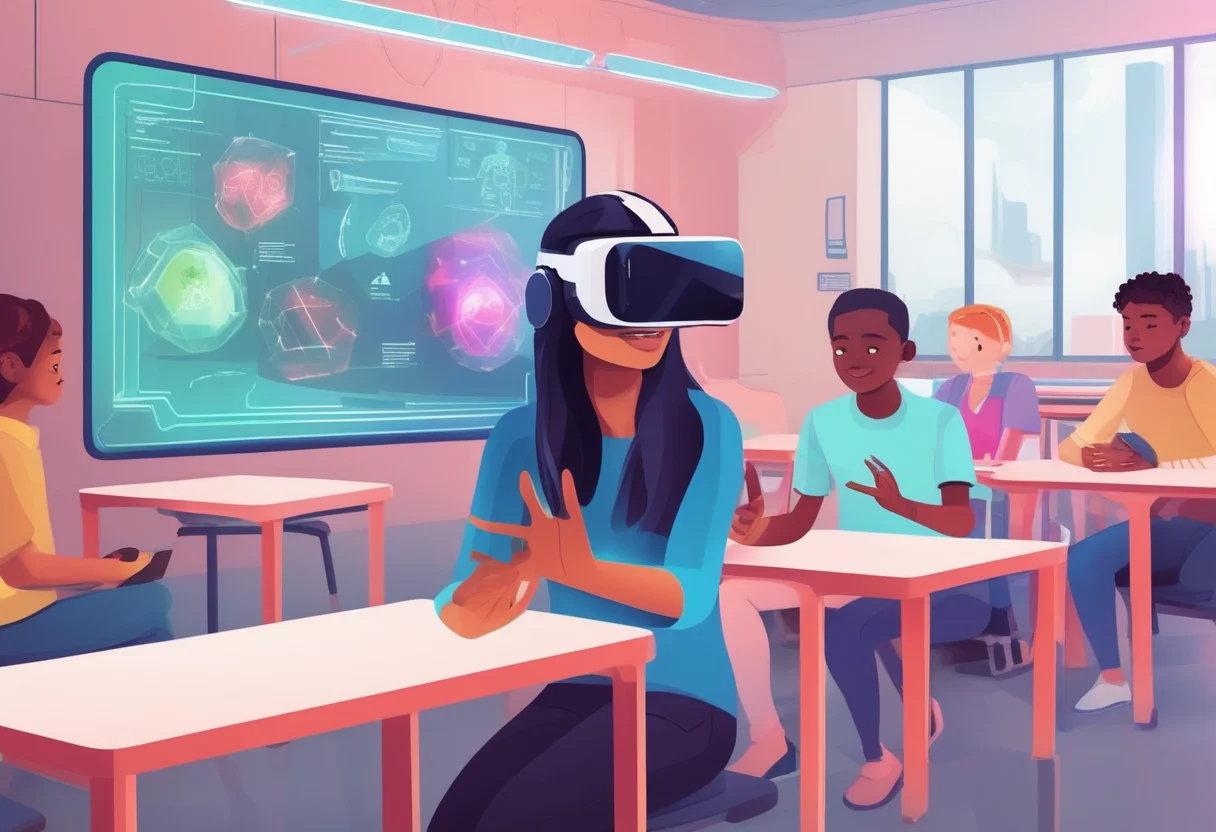
Imagine an AI platform that crafts personalized microlearning modules and adaptive scenarios, dynamically changing content based on learners' responses and emotions.
Balancing Technology with Personalized Human Interaction
Despite AI's ability to personalize learning, human experts remain essential to review and refine AI-generated content. This ensures high-quality content that aligns with organizational goals. By 2025, leveraging AI to personalize learning at scale will significantly impact employee engagement, skill development, and retention.
Effective learning and development require a blend of AI-driven personalization and human oversight. This combination ensures content remains relevant and high-quality.
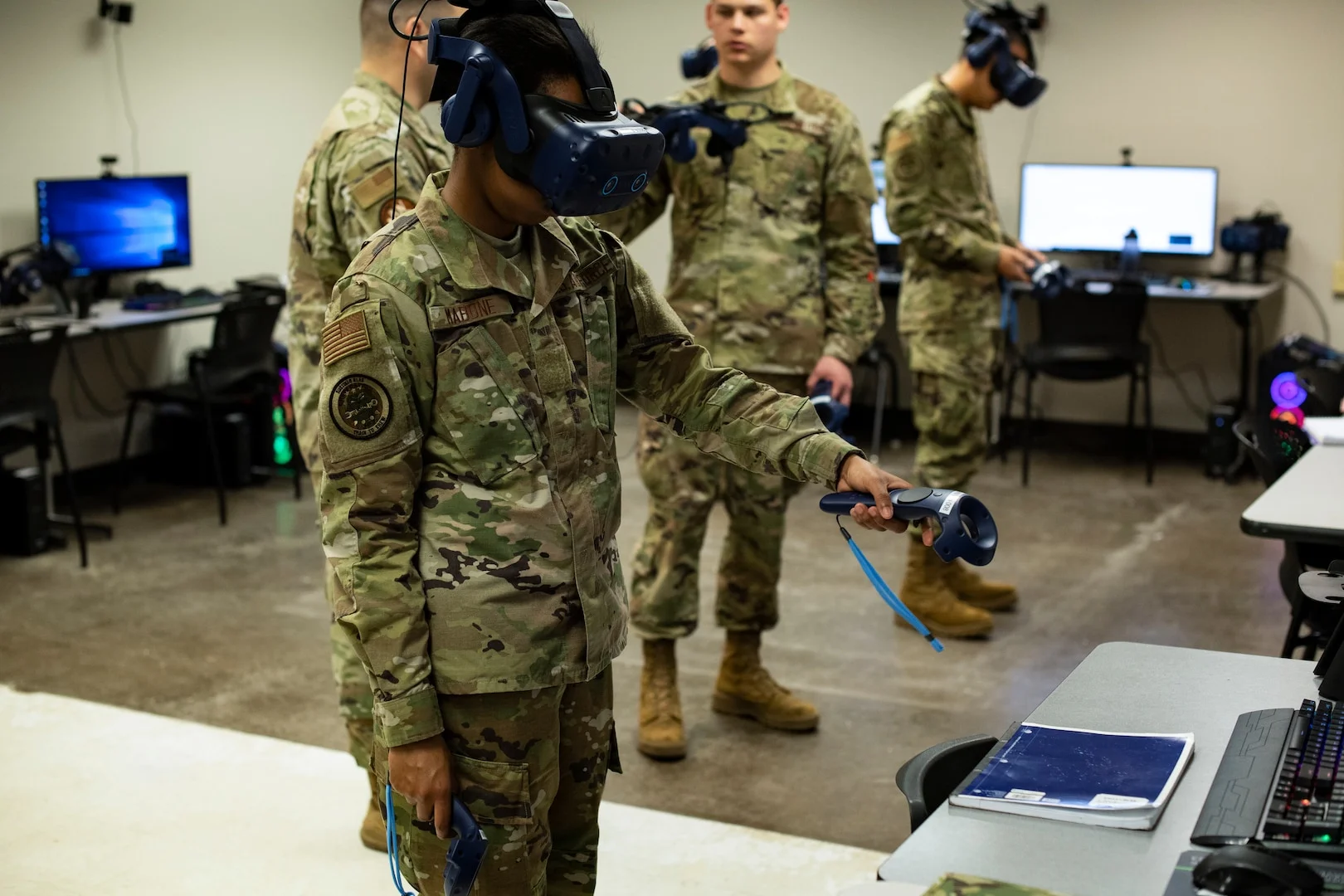
Developing soft skills like adaptability and teamwork continues to be crucial and is enhanced through tech-driven, human-guided learning. An exemplary model is a blended learning program where AI establishes personalized paths while human instructors provide mentorship, feedback, and ensure accuracy and relevance.
By integrating AI with key human roles, education can harness AI's power while maintaining the essential human touch for well-rounded learning experiences.
FAQ Section
How Does AI Enhance Personalized Learning Paths for Students?
AI leverages data to tailor learning paths according to each student's needs, skills, and pace. By analyzing student interactions, AI customizes learning experiences to facilitate progress. It dynamically adjusts content, provides personalized support, and adapts based on student performance and feedback. This approach enhances engagement and retention.
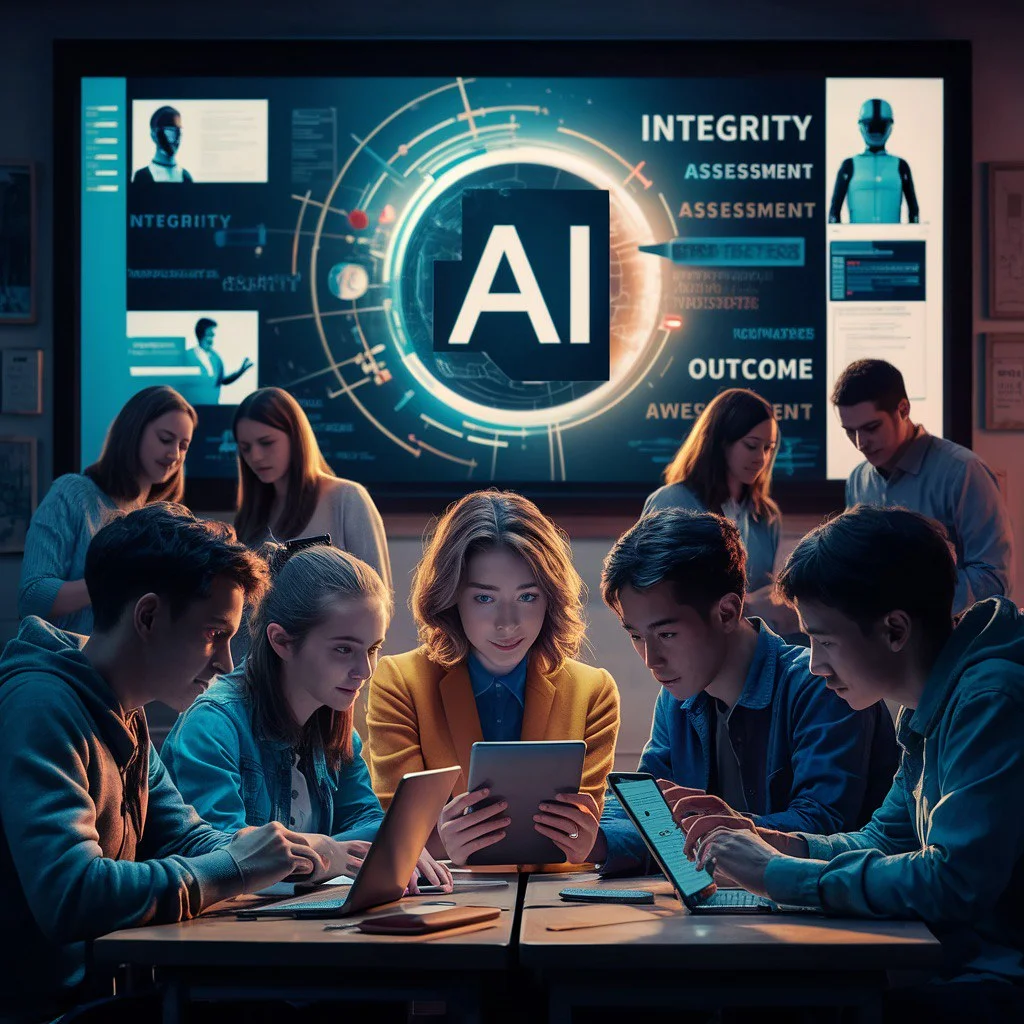
AI evaluates student performance through automated tests and quizzes, delivering quick feedback and improvement tips. It incorporates various learning styles, such as videos, audiobooks, or interactive exercises, to align with individual preferences. For instance, an AI platform might analyze a student's quiz scores and interactions to suggest practice exercises, modifying difficulty levels to ensure comprehension before advancing.
For more information, visit Unis Hanoi and Sky Solution.
Main Challenges of AI Integration in Personalized Learning
Integrating AI in education presents several challenges:
- Access to AI tools: Ensuring equitable access is crucial, as disparities in technology can widen educational gaps.
- Teacher training: Educators require training to effectively use AI tools and interpret insights to support students.
- Data privacy and security: Safeguarding student data is paramount when using AI that collects personal learning information.
- Balancing technology and human interaction: Over-reliance on technology might diminish the essential human interaction and mentorship crucial for social and emotional development.
- Understanding diverse learning styles and cultures: Developing AI that comprehends varied learning styles and cultural contexts is complex and requires ongoing refinement.
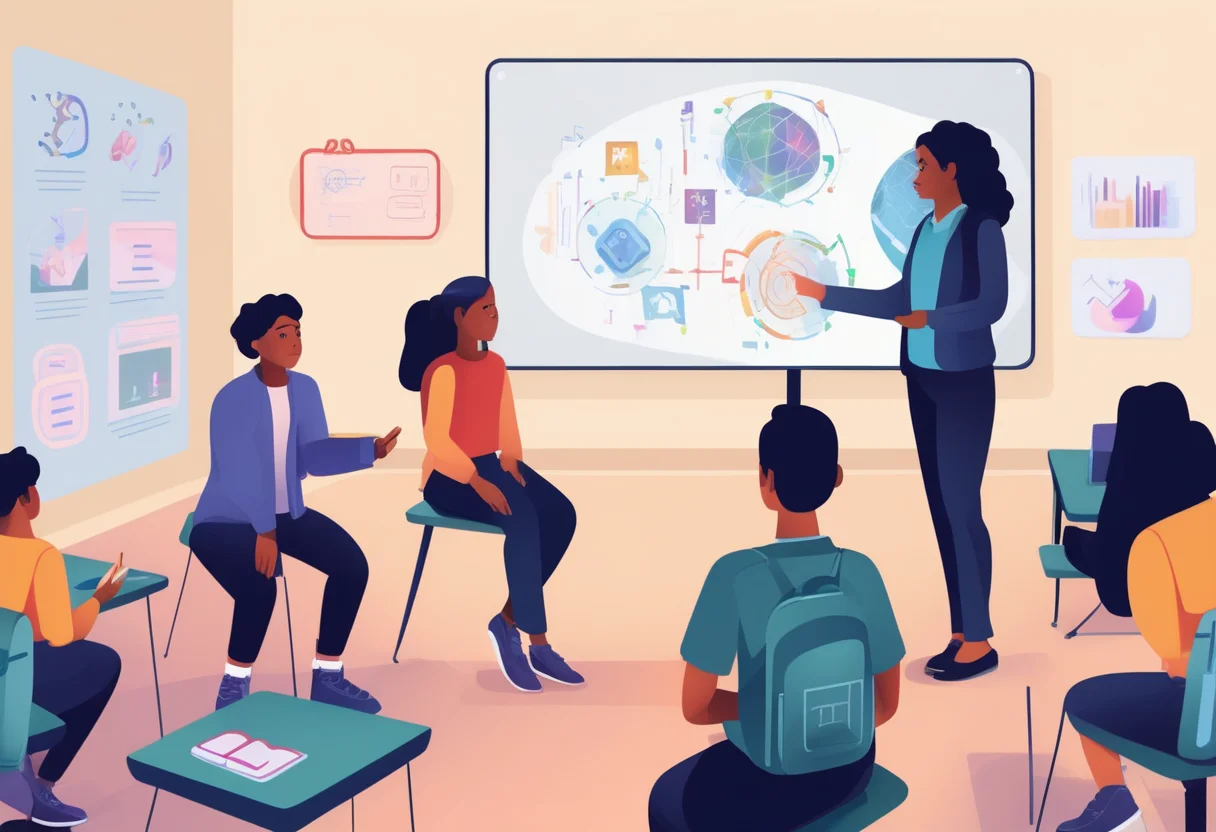
Schools must prioritize teacher training and robust data protection measures to address these challenges. For a detailed analysis, refer to Unis Hanoi and Hurix.
Benefits of AI-Powered Mind Mapping Tools in Personalized Learning
AI-powered mind mapping tools assist students in organizing and visualizing complex information, making it more comprehensible and memorable by creating personalized knowledge maps. These tools adapt to individual learning styles by suggesting connections between ideas and providing interactive diagrams based on progress.
AI mind mapping also facilitates collaboration by allowing students to create and share maps, enhancing peer interaction and engagement. With real-time feedback and content suggestions, these tools foster critical thinking and problem-solving skills. For example, an AI mind mapping tool might analyze a student's science notes and propose related ideas and questions to explore, deepening their understanding.
Learn more about this at Sky Solution and Unis Hanoi.
For further insights and data on the effectiveness of personalized learning, Matsh offers detailed statistics, while Stand Together Foundation and SmartLab Learning provide comprehensive reviews and examples.