
Technology is changing everything, and education is no different. Ever thought about how learning automation could shake things up? The e-learning market is set to hit $375 billion by 2026, so it's a big deal. Learning automation uses AI and machine learning to offer personalized, efficient, and scalable learning experiences. In this article, we'll explore what learning automation is all about, including its benefits, challenges, and real-world uses. Whether you're a teacher, a student, or just curious, let's see how learning automation could change education and training as we know it.
Summary: Dieser Artikel beschreibt die Vorteile, Herausforderungen und praktischen Anwendungsfälle der Lernautomatisierung im Bildungsbereich. Er bietet zudem eine Schritt-für-Schritt-Anleitung zur Implementierung sowie häufig gestellte Fragen und Antworten.
Understanding Learning Automation in Education
Key Concepts of Learning Automation
Learning automation in education leverages technologies like AI, robotics, and RPA to simplify and enhance operations in schools and universities. The primary objective is to streamline processes, reduce manual workload, and allow educators to focus on teaching. Automation in education covers a broad spectrum:
- Routine Administrative Tasks: Automating tasks such as attendance, grading, and record management.
- Enhanced Learning: Providing personalized content and adaptive learning systems to keep students engaged and improve feedback.
- Operational Efficiency: Simplifying back-office operations like admissions and payroll.
A prime example of this is Intelligent Tutoring Systems (ITS), which utilize AI to analyze student learning patterns, offering tailored lessons and instant feedback. AI-driven learning automation integrates various components such as domain models, student models, tutoring models, and user interfaces to create interactive and personalized learning experiences.

Evolution of Learning Automation in Education
The evolution of learning automation has been significantly influenced by digital tools, AI, and machine learning. Historically, educational institutions depended on manual, paper-based methods for tasks such as admissions and grading, which were inefficient. The advent of AI and automation introduced digital workflows, streamlining these processes and enhancing coordination.
Today, AI tools are employed for content creation, automated grading, and intelligent tutoring systems that provide personalized learning experiences. The trend is shifting from standalone tools to integrated smart systems, with the potential future inclusion of AGI performing tasks at a human-like level in education. Surveys indicate that over 65% of education professionals view automation as crucial for future-proofing schools, reflecting growing acceptance of these technologies.

For further exploration, consider these resources:
Learning automation in education
Automation in education
AI in education
Revolutionizing educational strategies
Automation of university education
Artificial intelligence revolutionizing education
Key Benefits of Learning Automation
Personalized Learning with Automation
Automation in education facilitates personalized learning by adjusting lesson difficulty and suggesting additional help based on individual student needs. This approach makes learning more targeted and responsive, aligning with each student's pace and style.

For example, educational platforms utilize automation to monitor student progress and automatically adjust assignment difficulty. This ensures that students who need extra resources receive them, while others can advance more rapidly. Automated systems also provide immediate feedback and alert teachers to potential issues early on, allowing for timely intervention.
Learn more about how automation enhances personalized learning here.
Boosting Administrative Efficiency with Automation
Integrating automation into school administration significantly boosts efficiency and resource management. It streamlines repetitive tasks like attendance tracking, grading, and reporting, reducing teacher burnout and allowing them to focus more on teaching.
Automated workflows and communication systems facilitate smoother processes, enhance collaboration, and minimize errors in approvals and feedback. Moreover, automated training and onboarding save time and money by providing learners with access to materials anytime and managing routine tasks such as sending welcome emails. Schools that implement automation can better manage attendance, grading, and parent communication, drastically reducing paperwork and the administrative burden on teachers.
For more insights, explore FlowForma and ProProfs Training.
Enhancing Student Engagement with Automation
Automation supports learning paths tailored to students' pace and style, keeping them engaged and motivated. By alleviating teacher burnout and freeing up their time, it permits more creative and engaging teaching methods, thus enhancing student motivation.

Automated training platforms allow students to study at their own pace, reducing fatigue and increasing engagement. For instance, a learning management system (LMS) uses automation to send reminders and personalized challenges, boosting motivation and participation. These platforms can also make learning more interactive and enjoyable with gamification elements like leaderboards and badges.
Learn more about how automation boosts student engagement here and here.
Real-Time Feedback and Data Insights in Learning
A significant advantage of learning automation is its ability to provide real-time data and analysis, enabling teachers to monitor progress and make quick adjustments. Automation enhances grading and reporting accuracy by minimizing human errors.
Data-driven tools assist schools in optimizing resources and improving planning by predicting outcomes based on set goals. For example, a school dashboard using automation can track test scores and attendance in real time, immediately alerting teachers to students who need extra help. This continuous feedback loop fosters a more responsive learning environment, resulting in better educational outcomes.
Discover more about data-driven insights and real-time feedback here and here.
By focusing on personalized learning, administrative efficiency, student engagement, and data insights, learning automation offers a comprehensive view that connects technology benefits to educational results. As the demand for efficiency and system automation grows across industries, including education, the global business process automation market is expected to reach $19.6 billion by 2026. This growth underscores the rising importance of automation in transforming educational environments for the better.
Challenges and Considerations in Implementing Learning Automation
Key Challenges in Learning Automation Adoption
Switching to learning automation isn't without its hurdles. Here are some of the primary challenges faced:
-
Legacy Systems: Dealing with outdated systems that lack flexibility is a significant issue. These setups often require manual work, making the transition to automation both complex and costly.
-
Skill Shortages: There's a notable lack of skilled personnel to manage advanced systems, further complicating the adoption process.
-
Integration Issues: Introducing new tools to existing systems often demands extensive tweaking, adding another layer of complexity.
-
High Upfront Costs: The substantial initial investment for upgrades and resources can deter organizations, especially if the benefits aren't immediately apparent.
-
Employee Resistance: Many employees fear change or potential job loss. Clear communication and inclusive involvement in the process are crucial to overcoming these fears. Moreover, poor communication and lack of collaboration among project teams can lead to delays, making a comprehensive approach essential.

Ethical and Privacy Concerns in Learning Automation
Learning automation also raises important ethical and privacy issues. Key considerations include:
-
Data Security: Ensuring data security is paramount, particularly in sensitive areas such as audits and learning systems. Robust protection measures are necessary to prevent breaches.
-
Privacy and Ethics: Concerns about privacy and ethics can make users uneasy. It's vital to establish clear policies and provide thorough training to build trust.
-
Over-Reliance on Automation: Depending too heavily on automation without proper checks can introduce vulnerabilities, risking data exposure or operational failures if systems malfunction. Organizations must implement solid data governance and continuous user training to mitigate these risks.
-
Job Loss Fears: Addressing concerns about job loss is essential. Offering development programs can assist employees in transitioning to new roles that accompany technological advancements.

Practical Use Cases and Examples of Learning Automation
Learning Automation in Diverse Educational Settings
AI is reshaping education by enhancing operational efficiency and personalizing learning experiences. Consider AI automated grading systems as a prime example. These systems can grade multiple-choice questions, short answers, and essays, providing instant feedback and significantly reducing teachers' workloads. This allows educators to dedicate more time to one-on-one teaching instead of administrative tasks.

Additionally, AI-powered adaptive learning platforms tailor lessons to individual learning styles, thereby maintaining student engagement and improving educational outcomes.
In higher education, AI chatbots provide 24/7 support to students, addressing inquiries about enrollment, deadlines, and campus regulations. This reduces the burden on administrative staff. Furthermore, smart scheduling systems leverage AI to efficiently manage room bookings and faculty schedules, preventing conflicts and optimizing resource utilization. To maintain academic integrity, AI tools are employed to detect plagiarism by comparing submissions against extensive databases, offering detailed reports.
Future Trends and Innovations in Learning Automation
The future of AI in education promises exciting advancements. Traditional systems are gradually being upgraded with no-code platforms, which expedite compliance and process modifications. In the retail sector, voice-activated shopping assistants like Alexa simplify purchasing through voice commands. This concept could be adapted for educational purposes to streamline learning activities.
Moreover, AI-driven predictive maintenance employs data and machine learning to anticipate equipment failures, thereby reducing downtime and costs. This approach could be beneficial for school facilities as well.
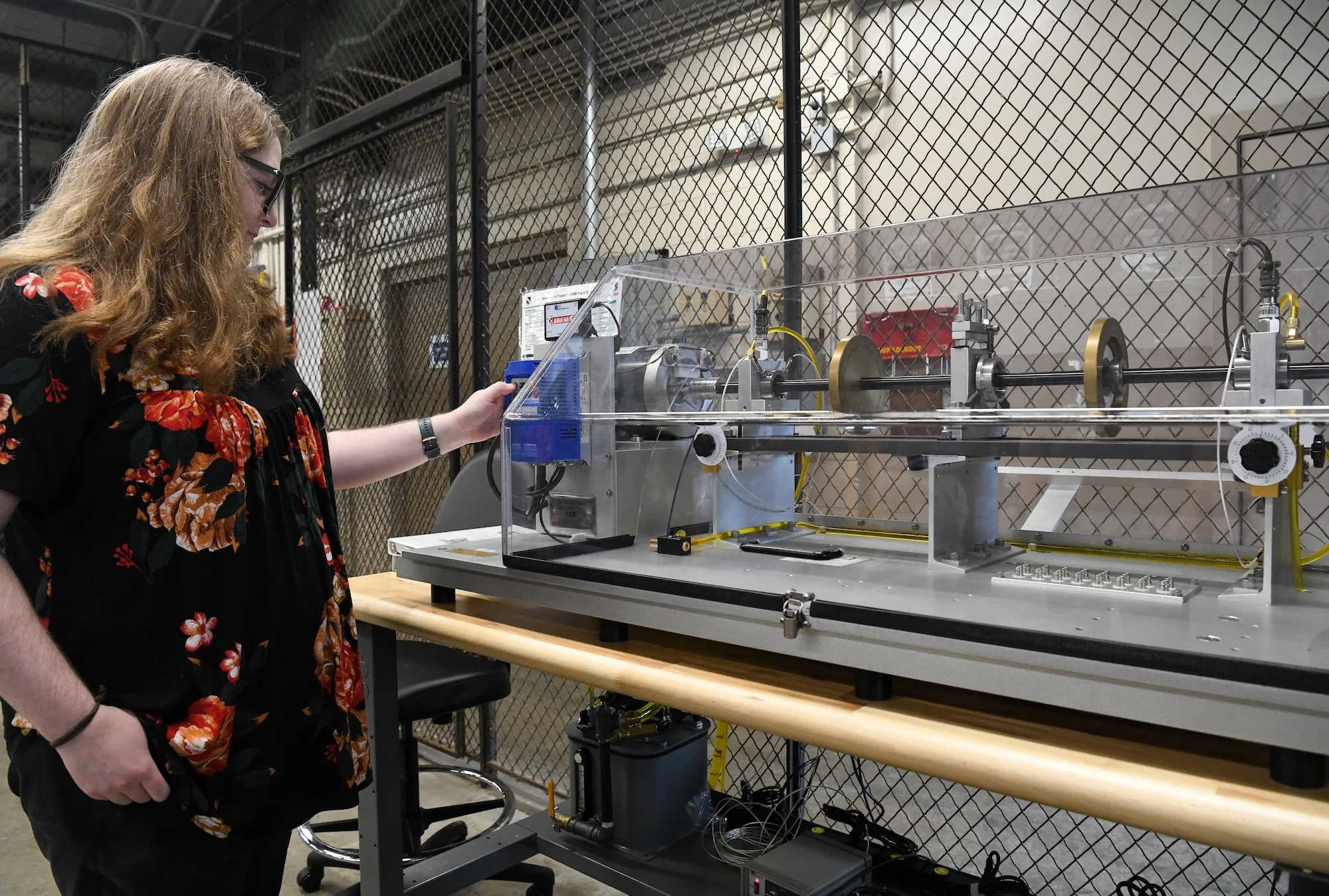
AI's ability to automate resource management, optimize workflows, and identify risks through real-time data analysis is poised to revolutionize various sectors, including education, by making them more efficient and personalized.
Step-by-Step Guide to Implementing Learning Automation
Identifying Automation Needs and Setting Goals
To get started with learning automation, first take a good look at your current operations. Identify those repetitive, rule-based tasks that are ripe for automation. You're looking for tasks that frequently occur, are complex, and consume a significant amount of time.
As you do this, consider the following:
- Efficiency of processes
- Frequency of mistakes
- Associated costs
- Scalability requirements
- Compliance with existing rules
This evaluation helps you pinpoint the best opportunities for automation. Conduct a thorough needs assessment to understand your business challenges and objectives, such as reducing processing time or enhancing employee productivity. This will guide your automation efforts source.

It's crucial to set clear success metrics and define your expected ROI early on. This enables you to measure the effectiveness of automation source. For example, a company might discover that data entry and document processing are high-frequency, error-prone tasks that require substantial labor hours, making them ideal for automation to improve accuracy and reduce costs.
Seamless Integration and Effective Training
Once you know what you need and want, the next step is to integrate learning automation tools that seamlessly fit with your existing systems. Choose tools that are scalable, secure, user-friendly, and supported by reliable vendors source.
Carefully plan the automation workflow by outlining:
- Task sequences
- Responsibilities
- Deadlines
This ensures a smooth transition source. Provide targeted technical training focusing on practical, role-specific AI applications so employees understand both the system's functionality and its importance source.
Address change management by:
- Alleviating employee concerns about job security
- Clearly explaining workflow changes
This approach helps in gaining employee buy-in. Offer ongoing support through regular check-ins, learning resources, peer mentoring, and dedicated technical support to ensure long-term success source.
Evaluating Impact and Driving Continuous Improvement
After rolling out learning automation, it's essential to monitor its impact. Establish key performance indicators (KPIs) like:
- Process efficiency
- Cost savings
- Quality improvements
- Employee and customer satisfaction scores
These metrics will help you gauge success source. Utilize robust monitoring and feedback systems during pilot phases to collect performance data and user feedback for continuous adjustments source.
Keep an eye on automation performance and refine workflows as needed. Expand successful automations to other processes and integrate systems for seamless operations source. Foster organizational skills in AI automation through continuous learning and governance to sustain improvements and adapt to evolving needs source.
For instance, a company might track reductions in processing time and error rates after automating invoice handling, use employee feedback to refine the system, and gradually extend automation to related financial processes while updating training and governance.
FAQs About Learning Automation
How Does AI Enhance Personalized Learning Experiences?
AI is revolutionizing education by personalizing learning experiences. It customizes lessons to meet each student's unique needs, enhancing the overall learning process. Imagine a platform that evaluates a student's performance and adjusts assignment difficulty accordingly. If a student struggles, it can alert teachers, ensuring timely support. These systems engage students by addressing their specific challenges, ultimately improving their academic performance.
What Challenges Arise with Learning Automation in Education?
Implementing automation in education comes with its own set of challenges. A significant hurdle is maintaining smooth communication. Automated systems centralize messages, which can lead to confusion if not properly managed. Additionally, teachers may find it challenging to adapt to new automated processes, necessitating training and support. Cost and technological barriers also pose issues, particularly in resource-limited schools. For instance, some educators might resist using automated systems for tasks like attendance and grading. Schools must invest in training to facilitate this transition.
How Does Learning Automation Boost Teacher Productivity?
Automation is a transformative tool for teachers, reducing repetitive tasks such as attendance, grading, and reporting. This leads to less paperwork and fewer errors. Freed from these tasks, teachers can focus on creating engaging lessons and connecting with students. A Gallup poll found that over half of K-12 teachers experience burnout, making automated workflows essential to alleviating their workload. Automation also enhances collaboration by organizing student feedback and efficiently sending notifications. For example, automated grading can save teachers hours each week, allowing more time for lesson planning and personalized student support. By handling mundane tasks, automation enables teachers to concentrate on fostering a supportive and engaging learning environment.
In conclusion, while automation in education presents challenges, its benefits in personalizing learning, boosting teacher productivity, and reducing burnout are substantial. The global business process automation market is projected to reach $19.6 billion by 2026, driven by the demand for efficiency across all sectors, including education. This growth underscores the potential of automation to significantly transform educational experiences and outcomes.