Technology is moving fast, and AI is a big topic right now, especially in how it changes learning and development (L&D). Did you know that 47% of learning pros are already using AI to make learning more personal? That's almost half of the field jumping on board! As we explore AI in learning, we'll see how it's changing L&D. Think tailored learning paths and better skill checks. AI isn't just a tool—it's changing the game. We'll look at how AI personalizes learning, where it's used, and even what might come next. Curious about how AI can change your learning strategies? You're in the right spot. Let's dive in.
Summary: This article explores the role of AI in Learning and Development, focusing on personalization, practical applications, benefits, challenges, and future trends. It includes a FAQ section addressing common questions about AI's impact on L&D.
Understanding AI in Learning and Development
AI in Learning: Key Definitions
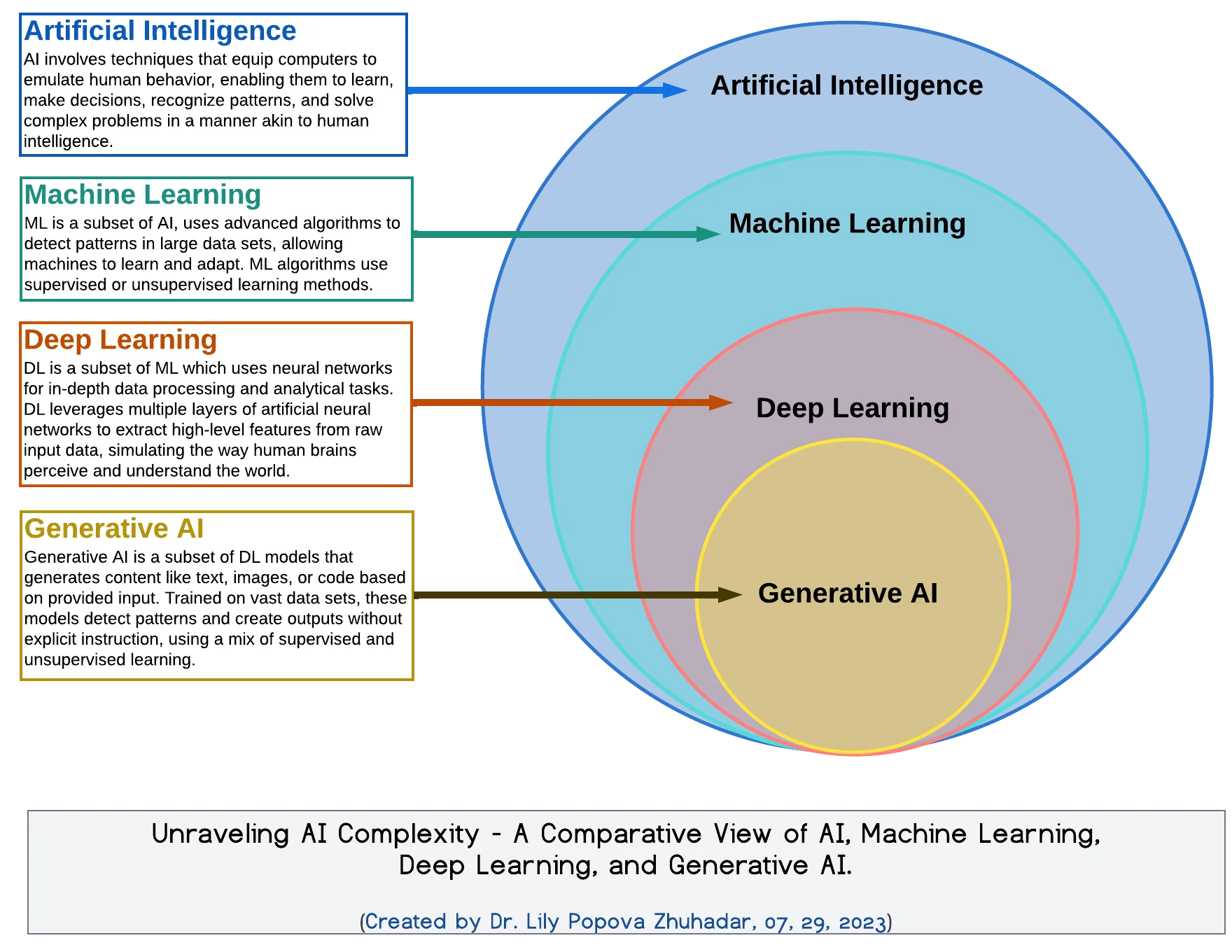
AI in learning and development integrates artificial intelligence into the training world to revolutionize how we educate and train. It facilitates personalized learning, automates administrative tasks, and provides data-driven insights for talent growth. Here are some key applications:
- Adaptive Learning: AI systems analyze how individuals learn, their preferences, and skill gaps to offer tailored content and learning paths.
- Smart Tutoring and Auto-Grading: AI assists educators by automating grading and providing intelligent tutoring systems.
- Assistive Technology: Enhances learning experiences for individuals with disabilities.
- Data Analysis: Offers insights into learning progress and areas for improvement.
- Custom Content Creation: Supports educators in developing interactive and personalized materials.

For example, the Davies Group implemented an adaptive learning platform for over 3,000 employees, saving 391 training hours and anticipating significant ROI through data-driven customization and inclusive features.
AI's Role in Modern Learning and Development
AI significantly enhances employee engagement by customizing training to individual preferences, learning styles, and career objectives. This personalization results in higher motivation and accelerated skill acquisition. AI also automates routine administrative tasks such as:
- Scheduling and Tracking Progress
- Grading and Content Curation
This automation allows L&D professionals to concentrate on strategic talent development.
AI-powered content curation ensures learners access the most relevant and current materials aligned with their job roles and industry trends, fostering continuous learning. With immersive technologies like VR and AR, AI provides hands-on experiences that enhance both soft skills and complex technical education.

By delivering personalized learning paths and real-time adjustments, AI ensures equitable and effective education, enabling everyone to achieve their potential. A global retailer, in collaboration with the Davies Group, utilized an AI adaptive learning platform to enhance mandatory training, cater to diverse learner needs with dual-language and accessibility options, and achieve substantial ROI and training efficiency.
For further reading, explore these resources:
- AI in learning and development
- AI applications in education
- AI in Learning and Development
- AI applications in education
- AI in Learning and Development
AI-Driven Personalization in Learning
AI-Driven Personalized Learning Paths in Education
AI has revolutionized the education landscape by crafting personalized learning paths tailored to each student's unique style, skills, and pace. Unlike the traditional one-size-fits-all approach, AI dynamically adjusts content, assessments, and feedback, allowing students to progress at their own speed.
Key Features of AI-Driven Learning:
- Adaptive Learning Platforms: These platforms customize lessons based on comprehensive student profiles, enhancing engagement and effectiveness.
- Inclusivity Tools: AI supports inclusivity with features like text-to-speech, captions, and simplified language, making education accessible to diverse learners.
- Teacher Support: By automating tasks such as grading and progress tracking, AI enables educators to focus on meaningful interactions and personalized teaching.

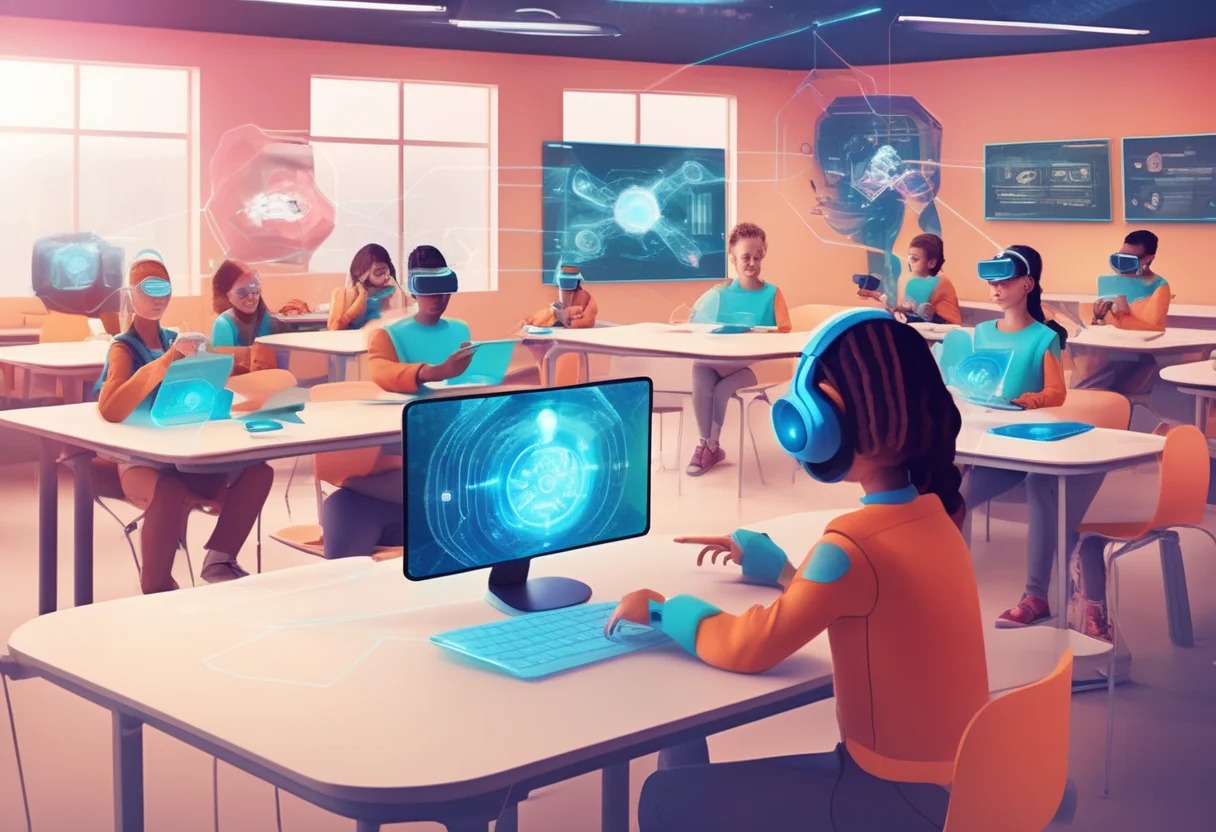
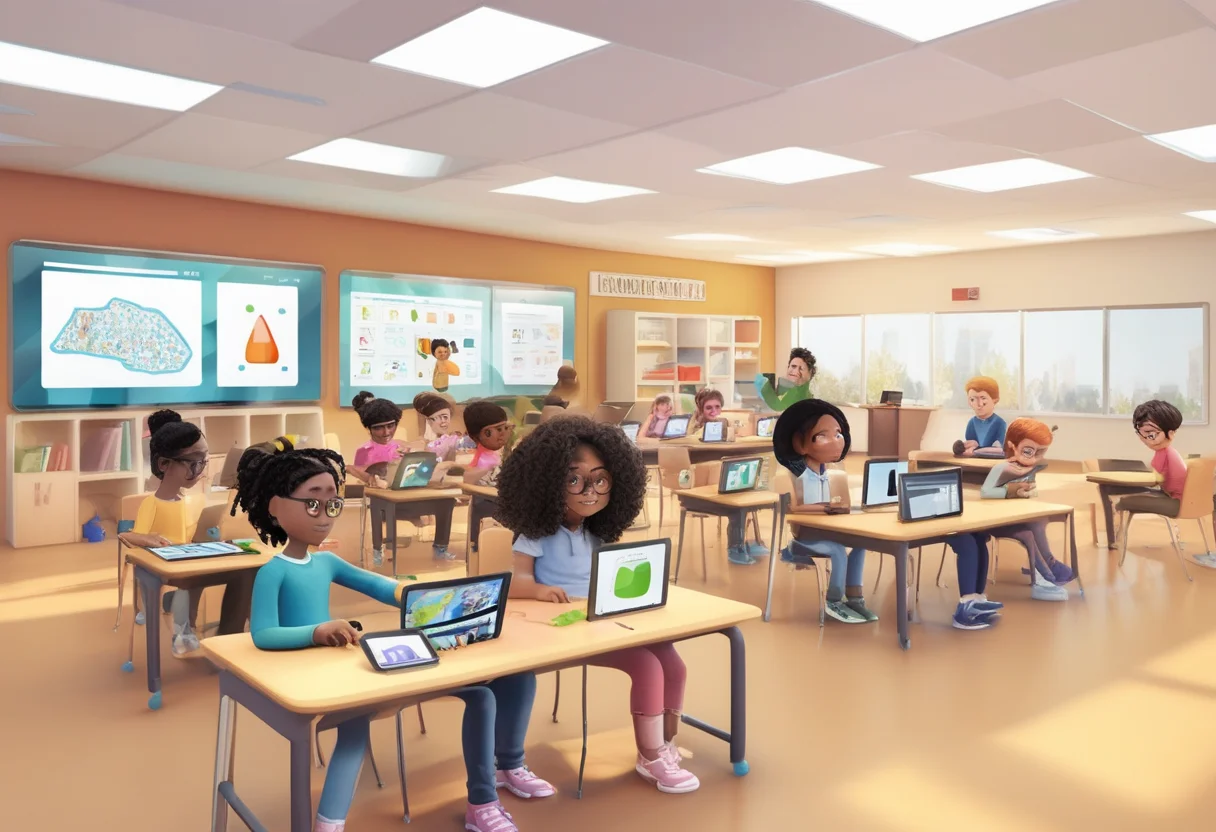
Furthermore, some classrooms are integrating virtual reality and AI to create immersive learning experiences that transcend traditional teacher-student dynamics. Learn more about AI's role in education.
Predictive Learning with AI for Skill Gap Analysis
AI excels at identifying skill gaps and predicting future learning needs through data and performance analytics. Real-time micro-assessments powered by AI provide immediate feedback, generating learning materials that target individual strengths and weaknesses.
Benefits of AI in Predictive Learning:
- Tailored Learning Schedules: AI models adjust learning schedules as students advance, ensuring training remains relevant and effective.
- Generative AI Tools: These tools create personalized content and authentic assessments, aiding students in overcoming challenges and deepening their understanding.
- Insightful Analytics: AI analytics offer educators valuable insights to refine teaching strategies and provide targeted support, enhancing student motivation and confidence.
For instance, a pilot program using generative AI in an introductory programming class helped students identify and address skill gaps, significantly boosting their confidence and comprehension. Explore how AI personalizes learning.
Practical Applications of AI in Learning and Development
AI-Powered Course Design and Content Creation
AI is transforming educational content creation by personalizing learning experiences. It evaluates each learner's abilities and needs, then tailors the content to better suit them. This adaptive approach means learners receive material that evolves with their progress, enhancing retention and performance.
Key Benefits:
- Personalized Learning: AI adjusts content to fit individual learner's needs.
- Career Development: Suggests courses and resources aligned with career goals and skills gaps.
- Quality Assurance: Detects plagiarism and maintains high-quality course content.
For instance, Ericsson utilized an AI platform to map over 1,100 job profiles, aligning employee skills with career paths and training needs.
Interested in exploring AI's role in education further? Check out this link.
AI-Enhanced Onboarding and Continuous Learning
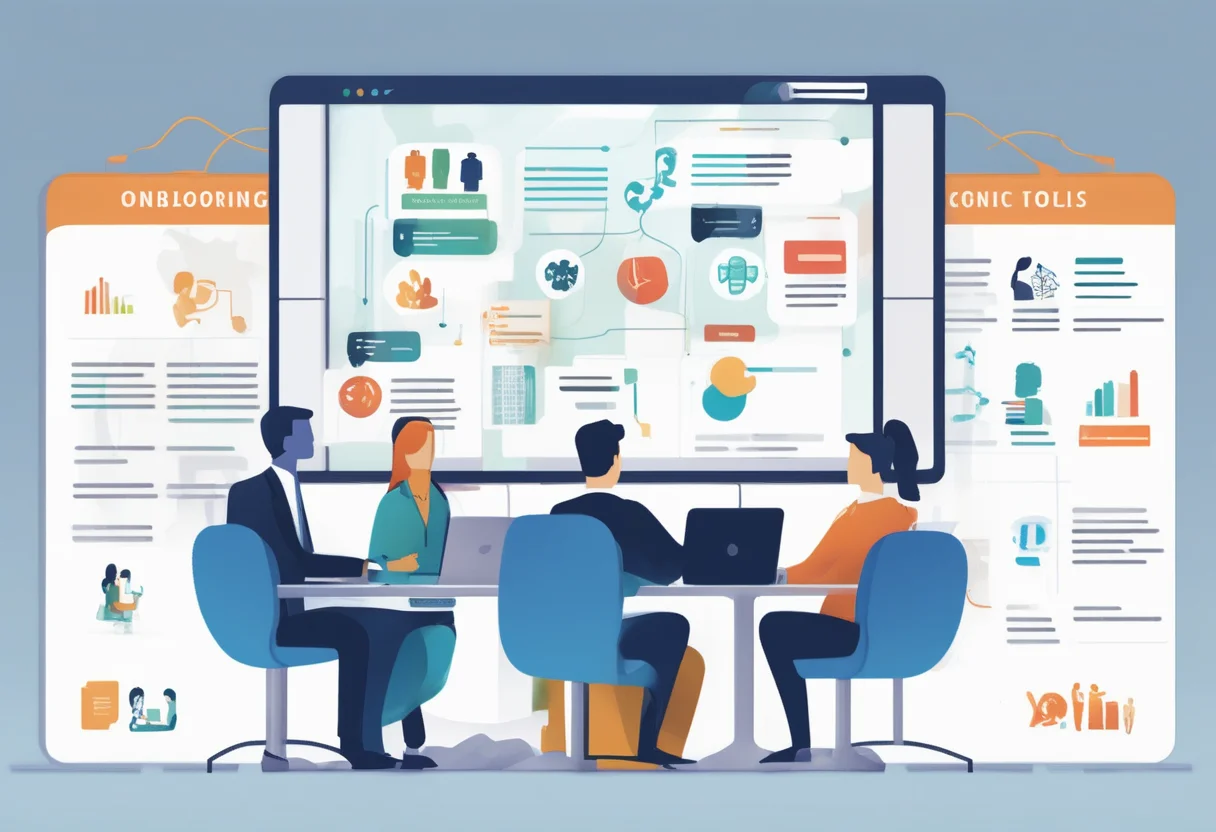
AI significantly enhances the onboarding process by identifying new hires' skills and knowledge gaps, then focusing on the appropriate training to accelerate their development. It fosters continuous learning by recommending timely courses based on current performance and job requirements, ensuring personalized guidance for all employees, not just top performers.
Applications Include:
- Personalized Onboarding: Tailors training to individual needs for faster growth.
- Continuous Learning: Converts in-person knowledge into structured resources.
MCI Group, for example, used AI to organize insights from leadership sessions, creating a dynamic knowledge base for ongoing learning.
For more insights on AI in learning, visit this link.
AI-Driven Learner Analytics and Insights
AI analytics provide a comprehensive view of skills and learning progress, enabling L&D teams to refine training and bridge skill gaps. These tools enhance engagement by moderating discussions, offering personalized feedback, and fostering critical thinking.
Advantages:
- Data-Driven Decisions: Connects data across platforms for a seamless learning experience.
- Predictive Analytics: Tools like Microsoft's Azure Machine Learning predict learning outcomes to allow early interventions.
For example, TechWolf’s platform, employed by Ericsson, facilitated real-time workforce planning by aligning skills with project needs. Schools and companies can leverage AI analytics to make informed decisions, ensuring programs continuously improve to meet evolving learner needs. For more on AI in education, explore this link.
Benefits and Challenges of AI in Learning and Development
Key Advantages of AI in Corporate Training
AI is transforming corporate training by making it more personalized. By analyzing individual learning preferences, AI adjusts training content and pace to suit each employee. This personalization leads to increased engagement and improved retention of information.
Moreover, AI automates tasks such as grading and progress tracking. This automation allows trainers to focus more on interacting with and mentoring their teams, making training more strategic.
AI also enhances the creation of training materials by:
- Speeding up the development of content in multiple languages and formats.
- Ensuring that materials are up-to-date and easily accessible.
- Providing insights into learner performance, enabling data-driven program adjustments.
In terms of inclusivity, AI adapts materials for individuals with special needs through tools like text-to-speech. For instance, large corporations might utilize AI platforms for personalized onboarding and continuous learning, automating tests, and delivering instant feedback to enhance outcomes.
Overcoming Challenges and Addressing Ethical Considerations
Integrating AI into corporate training comes with its own set of challenges. It is crucial for AI implementations to align with company objectives and undergo regular evaluations to ensure effectiveness. Safeguarding data privacy and security is essential, as employee information must remain protected.
Over-reliance on AI without human oversight can lead to errors or content misaligned with the company's culture. Therefore, human review is indispensable.
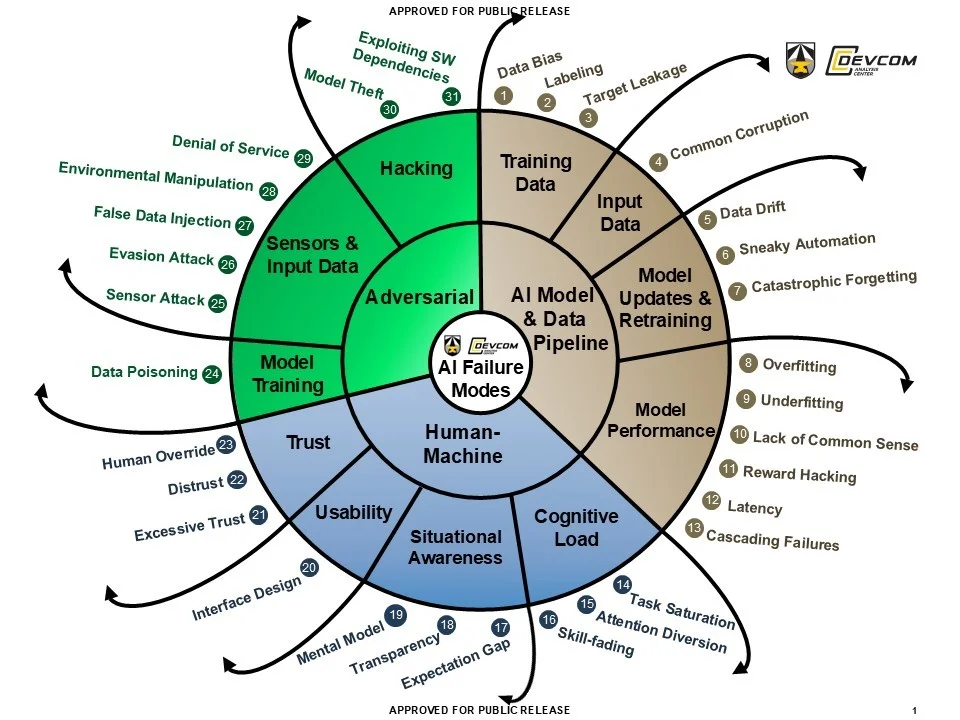
AI systems can also perpetuate biases if not properly managed, raising ethical concerns. Issues of transparency, fairness, and the impact of AI on jobs within learning and development teams must be addressed. Companies can mitigate these challenges by establishing human audits and clear AI policies to ensure that AI-driven training promotes diversity and remains unbiased.
AI in learning offers personalized learning paths and adaptable training, enhancing engagement and retention. However, it is vital to combine AI advances with human oversight to maintain the human element in corporate training.
Future Trends and Innovations in AI for L&D
Preparing for AI Integration in Learning and Development
Learning and Development (L&D) is undergoing a significant transformation with the advent of generative AI. This technology has evolved beyond merely tweaking content; it now has the capability to build entire course modules and customize material for diverse learners, simplifying localization efforts.
By late 2024, over 80% of L&D professionals were regularly using AI tools, transitioning from experimentation to integrating them into daily routines. This shift is supported by policies and frameworks that encourage AI integration in learning environments. A substantial portion of EdTech investment is directed towards workforce training, with 36% of funding in 2024 allocated to upskilling initiatives.
AI learning assistants play a crucial role by providing personalized support, enhancing engagement and performance for both students and employees. For instance, an L&D team might leverage AI tools to create tailored training modules that adapt as learners progress, resulting in improved engagement and skill acquisition.
Enhancing L&D through Human-AI Collaboration
The synergy between human intelligence and AI is essential for the growth of L&D. AI contributes to learning flexibility by monitoring learner behavior, adjusting content as needed, and suggesting resources tailored to individual needs. Incorporating AI into learning processes facilitates rapid upskilling and reskilling, preparing the workforce more efficiently and fostering business innovation.
AI automations integrate learning into the workday, aligning with company objectives. For effective collaboration, professionals must remain adaptable, utilize AI tools judiciously, and focus on data-driven insights. Technologies such as VR, AR, and gamification, when combined with AI, are revolutionizing learning programs, making them more engaging and effective.
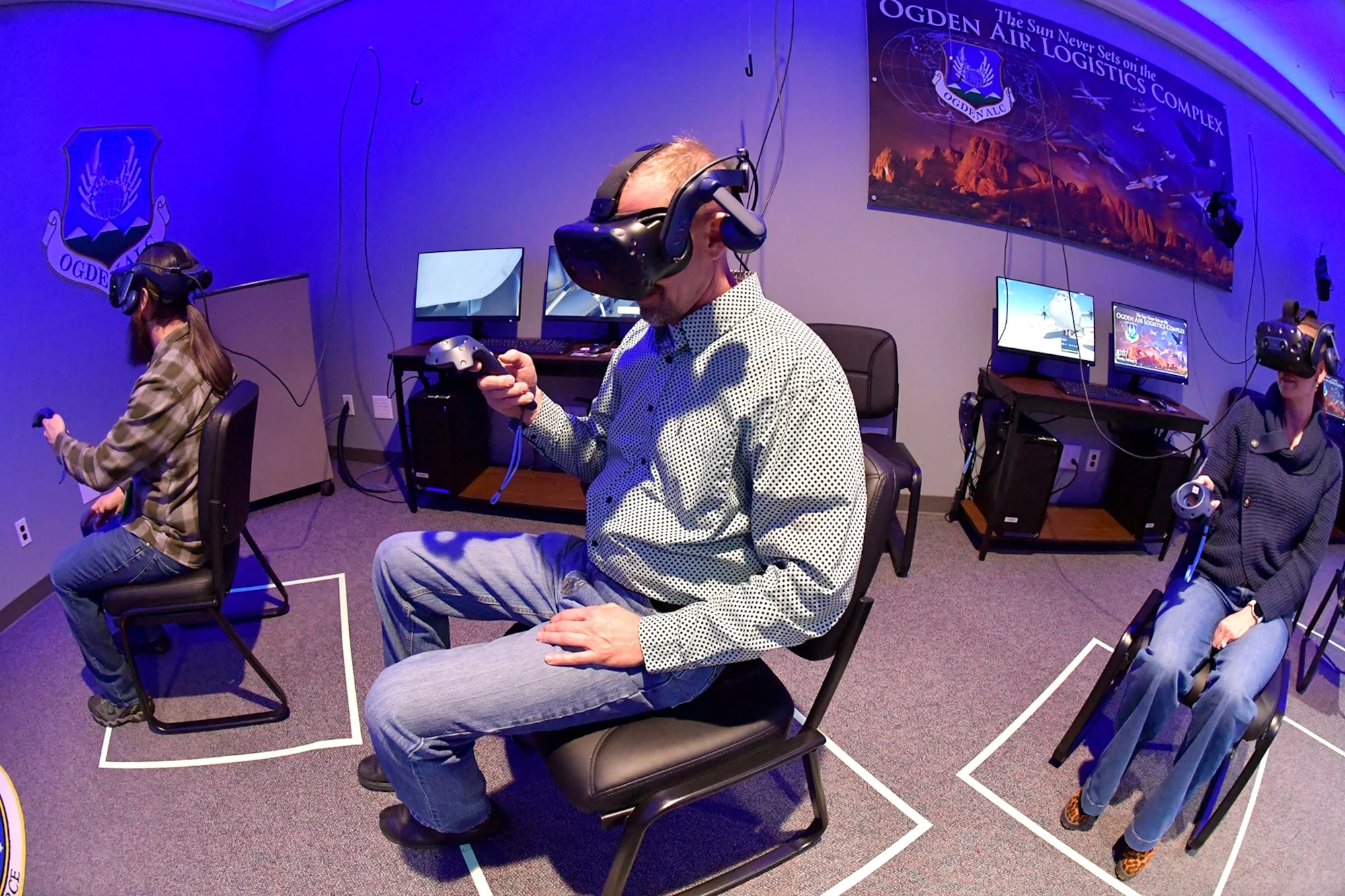
For example, Walmart employs VR headsets with AI-driven scenarios for training, enhancing retention and readiness through immersive experiences.
For further reading, explore these resources:
FAQ Section
How Can AI Enhance Employee Onboarding Processes?
AI can significantly transform employee onboarding by making the experience more personal and engaging. It achieves this by tailoring training content to match each individual's needs and existing knowledge, thereby enhancing learning and boosting confidence.
For instance, AI-powered platforms can automate mundane tasks like scheduling and paperwork. This allows HR professionals to focus more on building connections with new team members. Additionally, AI provides instant feedback, enabling new employees to correct mistakes and monitor their progress. This not only enhances learning but also accelerates their transition into the company.
AI can also develop training modules that adapt to an individual's performance, ensuring the right balance of challenge and support. Imagine a company using an AI-based platform that assesses a new hire's skills and designs a custom training plan, all while managing paperwork and offering real-time progress updates.
Key Benefits of AI in Corporate Training
AI offers numerous advantages in corporate training by creating personalized learning paths that align with each employee's pace and skills. This personalization keeps learners engaged and facilitates a deeper understanding of the material.
Automating tasks such as grading and attendance streamlines processes and liberates trainers from tedious administrative duties. AI analytics provide insights into employee performance and identify areas needing improvement, allowing for targeted assistance and enhanced training design.

AI-powered virtual tutors and chatbots offer continuous support and immediate feedback, boosting motivation and retention. Envision a corporate training program leveraging AI to deliver adaptive e-learning, automatically track progress, and equip trainers with detailed insights to refine future sessions.
AI's Role in Identifying and Addressing Skills Gaps
AI plays a crucial role in identifying and addressing skills gaps by analyzing vast amounts of employee performance data. It detects patterns indicating areas of strength and weakness. Through predictive analytics, AI can forecast future skill requirements and recommend learning paths to bridge these gaps.
Managers and trainers benefit from AI dashboards that provide real-time views of individual and team skills, facilitating timely interventions. Moreover, AI delivers immediate, detailed feedback, helping employees understand their improvement areas and offering resources to enhance specific skills.
For example, an organization might employ AI analytics to identify employees struggling with new software tools and automatically enroll them in tailored training courses to address this issue.
While the advantages of AI in education are well-documented, there is still much to explore regarding its impact on employee onboarding and corporate training. This underscores the importance of continued exploration into how AI can enhance workplace learning and development.