
Education is changing fast, and there's a big question on everyone's mind: "How do we make learning work for every student?" That's where adaptive learning comes in. This approach uses technology to make education personal. Recent studies show that these platforms can boost student engagement by up to 30%. That's pretty impressive, right? Here, we'll look at how AI is shaking up adaptive learning, giving teachers tools to make education more responsive and effective. Picture a classroom where each student's strengths and weaknesses are not just noticed but actually addressed as they happen. We'll walk through how AI is turning this idea into reality, from looking at student data to creating custom learning paths. Whether you're a teacher, a student, or just curious about where education is headed, stick with us as we explore the exciting mix of AI and adaptive learning.
Step-by-Step Guide to Enhancing Adaptive Learning Environments with AI
Conduct a Comprehensive Planning and Needs Assessment
Identify Learning Gaps in Adaptive Learning
To establish an AI-powered adaptive learning environment, start with a solid plan and a comprehensive needs assessment. Consider your objectives with AI, such as enhancing skills in specific subjects or addressing achievement gaps. For example, a school might aim to boost math scores by 15% within a year. This goal will shape every step of the planning process, from pilot tests to teacher training and full rollout.
Identifying where learners struggle and defining your target audience is crucial. Use surveys, interviews, and assessments to discern where students excel or require additional support. With this information, you can adjust the adaptive learning system to address those gaps effectively.
Define Adaptive Learning Objectives and Engage Stakeholders
Align your adaptive learning goals with your organization's broader mission. Whether aiming for improved learning outcomes, increased engagement, or enhanced skill-building, clear goals are essential for guiding development. Involve stakeholders from IT, education, and management to ensure a well-rounded approach. Host workshops or meetings to discuss goals, outcomes, and potential challenges. Early involvement fosters ownership and teamwork, which are vital for success.
Establish Adaptive Learning Success Metrics
Define clear objectives for the adaptive learning environment, ensuring they are SMART: Specific, Measurable, Achievable, Relevant, and Time-bound. For instance, you might aim to increase a course's pass rate by 20% within six months. Develop metrics to measure success, such as engagement levels, test scores, completion rates, and feedback from students and teachers. Regularly review these metrics to assess progress and make necessary adjustments.
Assess Organizational and Technological Readiness
Evaluate Infrastructure for Adaptive Learning
Before implementing an AI-powered learning environment, assess your current infrastructure. Review hardware, software, internet connectivity, and the compatibility of your existing Learning Management System (LMS) with adaptive learning tools. Conducting a tech infrastructure audit will reveal your readiness. Ensure your LMS and AI tools integrate seamlessly. Consider scalability to accommodate future growth and technological advancements.
Assess Technical Skills and Budget for Adaptive Learning
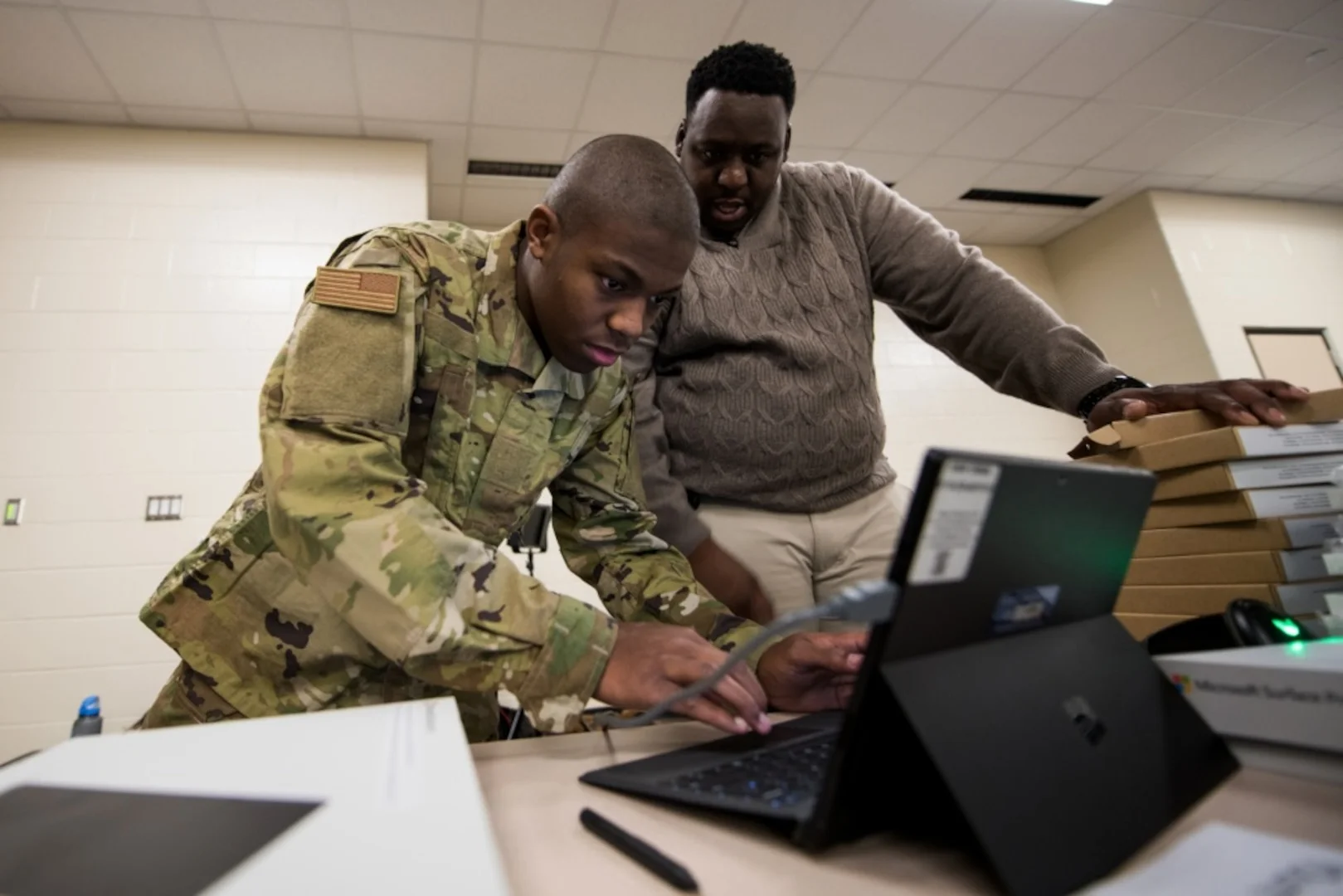
Evaluate your staff's technical proficiency for adaptive learning. Provide training to address any skill gaps and enhance their capability to use AI tools. Review your budget to ensure sufficient allocation for AI tools, staff training, and system maintenance. Remember to budget for more than just technology; consider training and potential upgrades. Improved learning outcomes and efficiency can justify the investment.
Select Appropriate AI and Adaptive Learning Tools
Choose AI Tools for Personalized Adaptive Learning
Selecting the right AI and adaptive learning tools is critical. Opt for platforms that offer personalized learning paths, intelligent tutoring, and adaptive assessments. These platforms employ machine learning to analyze student data and adjust content delivery accordingly. Look for platforms featuring advanced algorithms and recommendation engines to tailor content to student performance and preferences. AI capabilities like natural language processing can further enhance interaction and support.
Ensure Adaptive Learning Tool Compatibility
Before selecting AI tools, verify their compatibility with your current LMS for seamless integration. Assess whether the tools can scale to accommodate future growth and technological advancements. Seek tools that provide robust support and regular updates to keep pace with educational needs and trends.
Design and Customize Adaptive Content
Develop Flexible Learning Materials for Adaptive Learning
Creating adaptive content involves developing modular, flexible materials that adapt based on student progress and preferences. Break content into small, manageable units or modules that can be rearranged or adjusted as needed. Utilize various formats like videos, interactive exercises, and reading materials to cater to diverse learning styles. Index content to specific objectives so the AI can retrieve relevant resources when necessary.
Integrate Formative Assessments in Adaptive Learning
Include formative assessments in your learning modules to provide real-time feedback and dynamic content adjustments. Quizzes, polls, and interactive exercises can gauge understanding and progress. Use the data from these assessments to adjust each student's learning path, ensuring they receive the support and challenges they require.
Choose Suitable AI Models and Algorithms
Select AI Models for Adaptive Learning Efficiency
Choosing the right AI models and algorithms is essential for a smooth, effective adaptive learning system. Consider approaches like reinforcement learning, neural networks, or ensemble learning based on your needs. Train AI models with labeled datasets to identify patterns and improve decision-making for personalized learning. Validate and fine-tune models to optimize accuracy and adaptability.
Implement the AI System
Develop AI Systems for Adaptive Learning
Building the AI system involves selecting appropriate programming languages and frameworks for robust functionality. Languages like Python, R, and Java offer extensive libraries and tools for AI development. Frameworks such as TensorFlow, PyTorch, or Keras facilitate the building and training of machine learning models, providing pre-built components and features to streamline development and enhance performance.
Integrate AI with Adaptive Learning Platforms
Seamless integration of the AI system with existing educational platforms and databases is critical. Develop APIs or middleware solutions for data exchange and system interoperability. Begin with pilot programs in select classrooms or subjects to gather insights before a full rollout. This approach allows you to test integration and collect user feedback.
Deploy and Monitor the Adaptive Learning Environment
Launch and Monitor Adaptive Learning Systems
Once the AI system is in place, launch the adaptive learning environment and continuously collect learner data to track performance and engagement. This data includes interaction logs, test results, and feedback, all crucial for system evaluation and improvement. Ensure data collection aligns with privacy regulations and ethical standards. Implement security measures to protect learner information and maintain trust.
Optimize Adaptive Learning with Performance Monitoring
Monitor the adaptive learning environment's performance using analytics tools to track engagement, progress, and outcomes. Regularly review data to identify areas for improvement. Real-time adjustments through automated feedback loops can refine content and algorithms. Involve educators and students in the feedback process to gain insights into their experiences and needs.
Train Educators and Support Staff
Educator Training for AI-Enhanced Adaptive Learning
Offer comprehensive training for educators and support staff on using AI-enhanced tools and troubleshooting common issues. Cover the adaptive learning system's features, data interpretation, and best practices for AI-driven learning. Provide resources like user manuals, video tutorials, and FAQs for ongoing learning and skill development. Emphasize that AI supports teachers as facilitators, not replacements.
Foster Collaboration and Continuous Innovation
Promote Innovation in Adaptive Learning
Fostering collaboration and continuous innovation enhances adaptive learning systems. Encourage experimentation and the sharing of best practices among educators and developers. Facilitate knowledge sharing through workshops, webinars, and collaborative projects. Creating a community where educators share insights on AI-driven learning strategies and system improvements promotes continuous learning and adaptation.
Update Adaptive Learning Systems with AI Advances
Staying updated on AI and adaptive learning technology advancements is crucial. Regularly update the system with new features, tools, and algorithms to maintain a relevant and effective learning environment. Collaborate with tech partners, researchers, and industry experts to explore emerging trends and opportunities, ensuring cutting-edge performance and relevance.
Conclusion
Implementing AI-powered adaptive learning environments is a complex task requiring careful planning, assessment, and teamwork. By setting clear goals, assessing readiness, choosing the right tools, and fostering innovation, educational institutions can create personalized learning experiences that boost engagement and outcomes. As technology evolves, staying informed about new advancements and updating systems will keep adaptive learning environments effective and relevant for diverse learner needs.