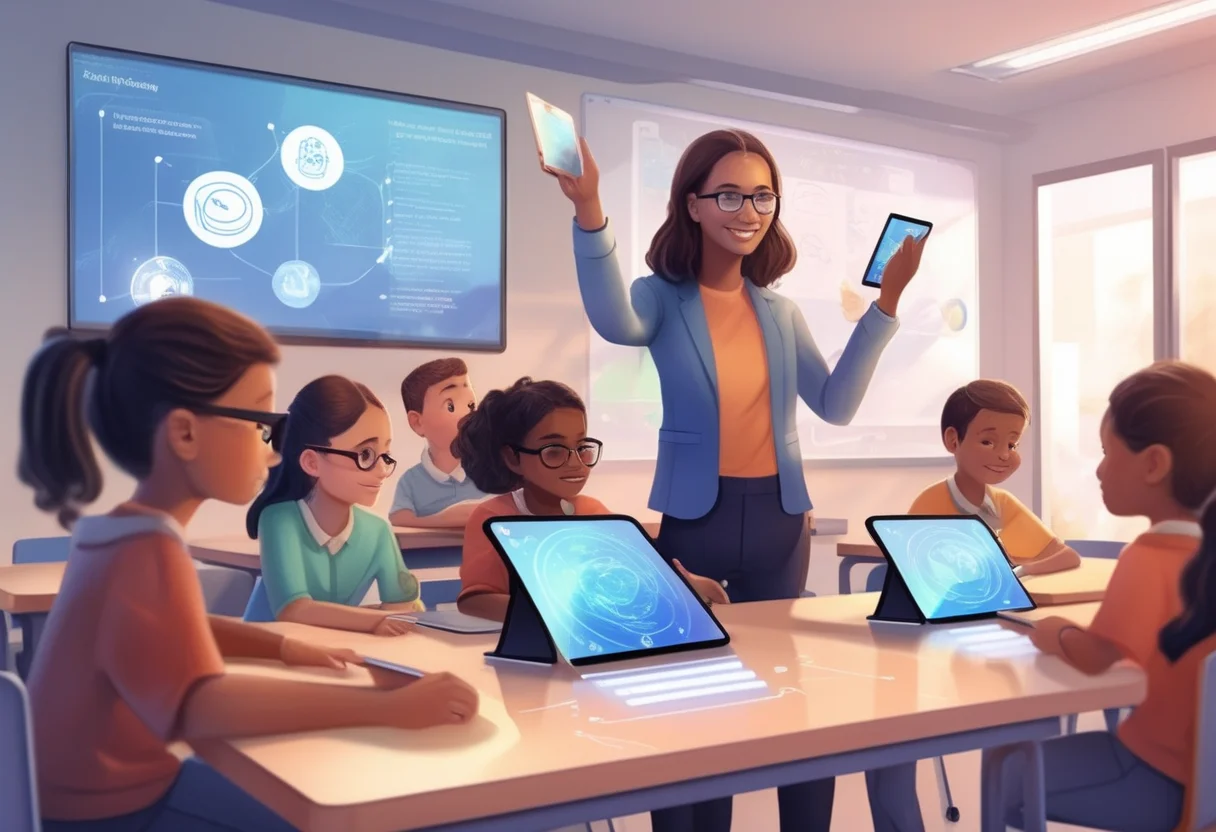
Imagine a classroom where each student gets a learning experience just right for them. Sounds like a dream, right? But with AI-curated skills, this dream is turning into reality. Schools around the world struggle to meet the needs of different learning styles and speeds, and that's where AI comes in. A recent study shows that 86% of teachers think AI can help make learning more personal. In this article, we'll look at how AI-curated skills are changing education today. From personalized learning to real-time feedback, these technologies are boosting student engagement and motivation. They're also changing what it means to be a teacher. Let's explore how AI is shaping the classrooms of tomorrow and making education ready for the future!
Summary: Este artículo describe cómo las habilidades seleccionadas por IA están transformando la educación mediante el aprendizaje personalizado, el aumento del compromiso estudiantil y la retroalimentación en tiempo real, al tiempo que destaca el papel de los educadores en un entorno educativo cada vez más tecnológico. También explora cómo estas habilidades pueden preparar la educación para el futuro.
Understanding AI-Curated Skills in Education
What are AI-Curated Skills?
AI-curated skills are essential for effectively working with AI, particularly in educational settings such as schools and universities. These skills encompass the ability to understand, use, and interact with AI across various contexts. Consider it a comprehensive toolkit that includes:
- Creative skills for designing AI applications
- Human skills like critical thinking and ethics
- Data skills for interpreting and utilizing data effectively
At the core of these skills is AI literacy. This involves grasping the fundamentals of AI, recognizing its applications, evaluating its outputs, and addressing ethical considerations.
AI literacy frameworks aim to provide a deep understanding of:
- What AI is and how it functions (including machine learning and data literacy)
- The capabilities and limitations of AI
- Ethical dilemmas associated with AI
- Societal perspectives on AI
A crucial component is generative AI literacy, especially significant in higher education. This involves identifying the use of generative AI, assessing the reliability of its outputs, and understanding its ethical implications.

The Role of AI in Transforming Education
The journey of AI in education has seen significant advancements. Initially, AI was employed for basic tasks such as administrative management. Today, it has evolved into sophisticated systems that personalize learning experiences to cater to individual student needs.
Innovative tools like chatbots and virtual assistants now provide:
- Personalized assistance
- Early detection of students who may be struggling
- Enhanced engagement with challenging topics
As AI continues to evolve, the importance of continuous learning and skill updates becomes paramount, given the shifting job requirements. Emerging learning models offer:
- AI-curated, on-demand learning
- Micro-credentials that align skills with market demands
Curriculum design is increasingly focusing on equipping students with both technical AI skills and human-centered skills, such as ethical reasoning and adaptability, to thrive in an AI-driven world.
AI-Curated Skills in Personalized and Adaptive Learning
AI-Driven Personalization in Education
AI-driven personalization in learning utilizes smart algorithms to tailor educational experiences to each learner's unique needs, strengths, and weaknesses. This approach enhances learning by dynamically adjusting content, pace, and teaching methods. Here's how it works:
- Adaptive Content: If a student excels, AI may present tougher challenges. Conversely, if they struggle, it offers additional support.
- Smart Tools: Tools like homework assistants and smart assessments identify knowledge gaps and provide instant feedback.
Importantly, AI doesn't alter the educational curriculum; it customizes the delivery based on individual preferences and needs. This personalization boosts engagement and aids in better information retention by aligning the material with the learner's style and progress.
Adaptive Learning Systems with AI-Curated Skills
Adaptive learning systems employ AI to monitor learner progress and adjust content and strategies to maintain engagement and effectiveness. These systems offer:
- Instant Feedback: Providing immediate insights to refine learning paths.
- Enhanced Outcomes: Improving results across various settings such as schools, online courses, and workplace training.
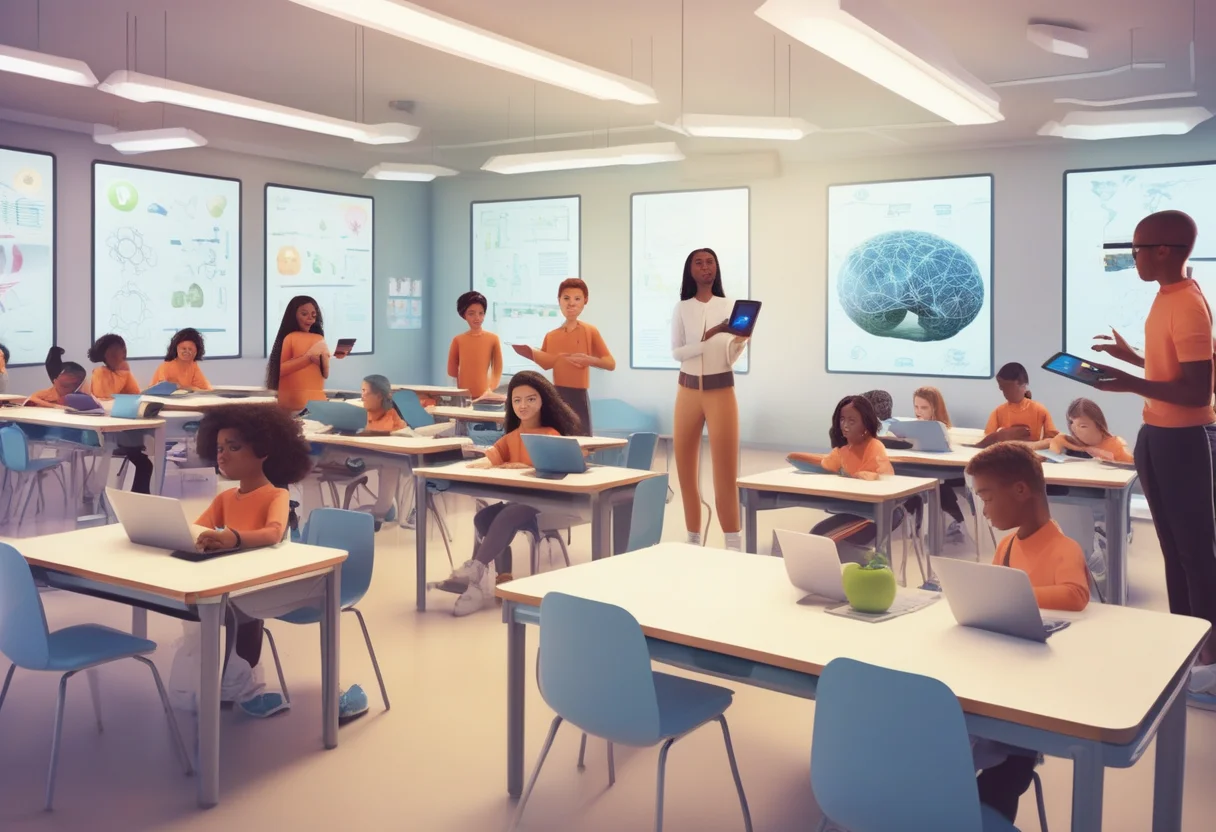
By tailoring learning paths to individual strengths and styles, adaptive systems ensure personalized education without diminishing the role of educators. Teachers remain essential, stepping in to guide as needed. While AI manages routine tasks, maintaining a balance is crucial to protect privacy and preserve human creativity and mentorship. These systems offer educators valuable insights into student performance, enabling more effective teaching and support tailored to each learner’s journey.
For further reading, explore these resources:
- AI-driven personalization in learning
- Adaptive learning platforms
- AI tools and personalized learning
- AI-powered adaptive learning systems
Enhancing Student Engagement and Motivation
AI-Curated Interactive Learning Environments
AI has reshaped how we learn by tailoring educational experiences to fit different learning styles. This transformation makes learning more inclusive and accessible, as Enrollify points out.
AI-powered educational games, according to the University of San Diego, offer engaging challenges that help students dive deeper into tough subjects. With AI, students can join virtual clubs and events, making it easy to participate beyond the classroom. These systems adjust the difficulty based on how students respond, keeping them on their toes and eager to learn more.
Gamification with AI-Curated Skills
Mixing gamification with AI significantly boosts student motivation. Platforms using AI, like those mentioned by Enrollify, provide instant feedback and personalized tips to keep students engaged.
AI can identify when students start losing interest and intervene with solutions before it becomes a problem, as Element451 explains. Additionally, AI sends reminders for deadlines and opportunities, helping students stay on track. By tweaking game features like points and leaderboards to match student interests, AI makes learning both fun and effective, as SchoolAI notes.

This approach keeps students involved in their learning, boosting both their enthusiasm and their results.
Real-Time Feedback and Support in AI-Curated Skills
AI-Powered Feedback Mechanisms for AI-Curated Skills
AI tools are revolutionizing how businesses manage customer feedback. By enabling companies to analyze feedback from surveys, calls, tickets, and emails in real-time, these tools help in:
- Spotting trends
- Understanding customer sentiments
- Identifying actionable insights
Leading platforms can detect sentiment and emotions, interpret text, speech, and video feedback, and offer deep analytics tied to behavior and operations. This allows businesses to quickly grasp customer feelings and intentions, enhancing customer experience and response times.

Tools like BuildBetter, Qualtrics XM Discover, Medallia, and Thematic expedite feedback analysis, enabling swift decision-making and intervention before issues escalate.
AI Chatbots in AI-Curated Support Systems
AI chatbots play a crucial role in providing real-time support. They integrate seamlessly with tools like Slack, email, and CRM systems, alerting teams immediately and prompting quick action. These chatbots handle a significant volume of responses automatically, reducing manual effort by over 90%.
This efficiency accelerates response times and allows human agents to focus on more complex issues. Additionally, these systems cultivate a feedback-focused culture where customer insights drive service enhancements. Real-time NPS and analytics monitor employee performance, fostering continuous improvement.
Platforms such as Zendesk and Intercom leverage AI chatbots to streamline customer support, making them indispensable across various industries.
AI and the Role of Educators
Balancing AI Efficiency with Human Creativity in Education
AI technology has the potential to revolutionize education by tailoring lessons to individual student performance. This personalization can lead to significant improvements, such as boosting test scores by up to 62% and enhancing knowledge retention by 40% source.
While AI can manage tasks like grading, which reduces teacher workloads by up to 70%, maintaining the human touch in education remains crucial source. Teachers contribute emotional intelligence, understanding social cues and personal contexts that AI cannot replicate, which is essential for students' social-emotional growth source.

By collaborating, AI and teachers can elevate the quality of education and address challenges such as teacher burnout and stress source. For instance, Squirrel Ai integrates AI with teacher-developed lessons to enhance student accuracy, allowing teachers to focus more on mentoring source.
Ethical Considerations and Challenges of AI in Education
The integration of AI in education raises several ethical concerns, particularly regarding data privacy and security. It is imperative to handle student information with care source. Ensuring equitable access to AI tools is also vital to prevent widening educational disparities source.
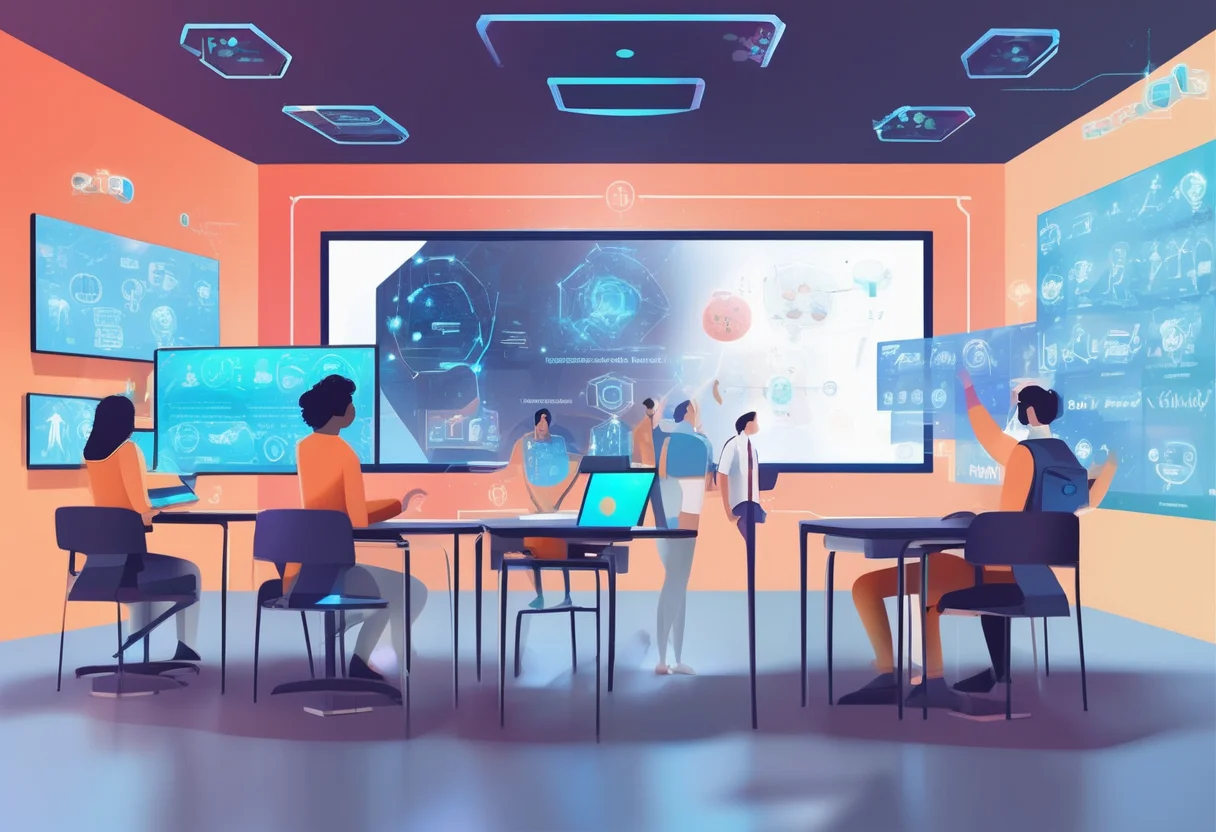
Teachers must receive training to utilize AI effectively and ethically in their teaching and course design source. AI systems should be designed to minimize bias, especially in areas like admissions and financial aid, to promote fairness source.
New legislation is advocating for AI literacy frameworks that incorporate perspectives from users, developers, and critics source. A recent bill in California mandating AI literacy in schools highlights the movement towards establishing ethical standards for AI in education.
Future-Proofing Education with AI-Curated Skills
Preparing for Lifelong Learning with AI-Curated Skills
As jobs evolve, it's no longer just about what you know—it's about how you think and adapt. AI is facilitating a shift from merely gathering facts to cultivating wisdom that keeps pace with change. A three-part model emphasizes smart design skills, people skills, and data skills to help you thrive in an AI-pervasive world.
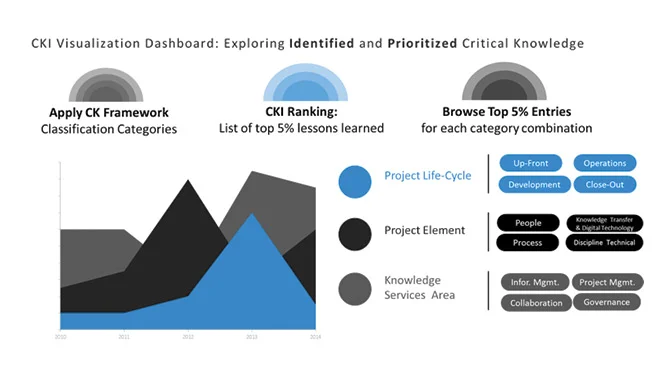
Think of it as building a toolbox where critical thinking and ethical reasoning are as crucial as AI itself. Being AI literate means evaluating AI technology critically, collaborating effectively with AI, and leveraging it in various contexts. Since AI and automation can quickly render skills obsolete, continuous learning is essential to remain competitive. AI-driven learning platforms are instrumental in this process, tailoring educational content to your needs and aligning with job requirements.
AI's Impact on Lifelong Learning Models
AI enhances lifelong learning by making it more personal and adaptable. It customizes both the content and delivery of education to better fit individual needs, thereby maintaining engagement and improving retention. Generative AI plays a key role in creating and organizing content, ensuring it is both engaging and easily accessible.
Tools such as smart tutoring systems and chatbots simulate real teachers, providing timely feedback and support. Additionally, AI streamlines administrative tasks in education, allowing educators to concentrate more on teaching and student support. AI-powered learning systems and micro-credential platforms offer education that is continuously available and aligned with current job market demands.
An AI-driven learning platform might recommend courses and skills based on your current activities and future goals, updating these suggestions as new skills become relevant.
FAQ Section
How Does AI-Curated Skills Enhance Personalized Learning?
AI personalizes learning by analyzing vast amounts of data to determine each learner's needs, challenges, and preferences. This ensures that the content they receive aligns with their progress and career goals. AI curates and organizes learning materials tailored to an employee's role and interests, providing the right information at the right time.
For example, IBM utilizes Watson, their AI tool, to customize content for employees based on job roles and user behavior. This approach helps in suggesting appropriate training and updates. Moreover, AI recommends subsequent learning steps and adjusts difficulty levels according to the learner's performance, crafting a dynamic and personal learning path. This is crucial as learning tailored to an individual's pace fosters motivation and engagement.
Key Benefits of AI-Driven Adaptive Learning Systems
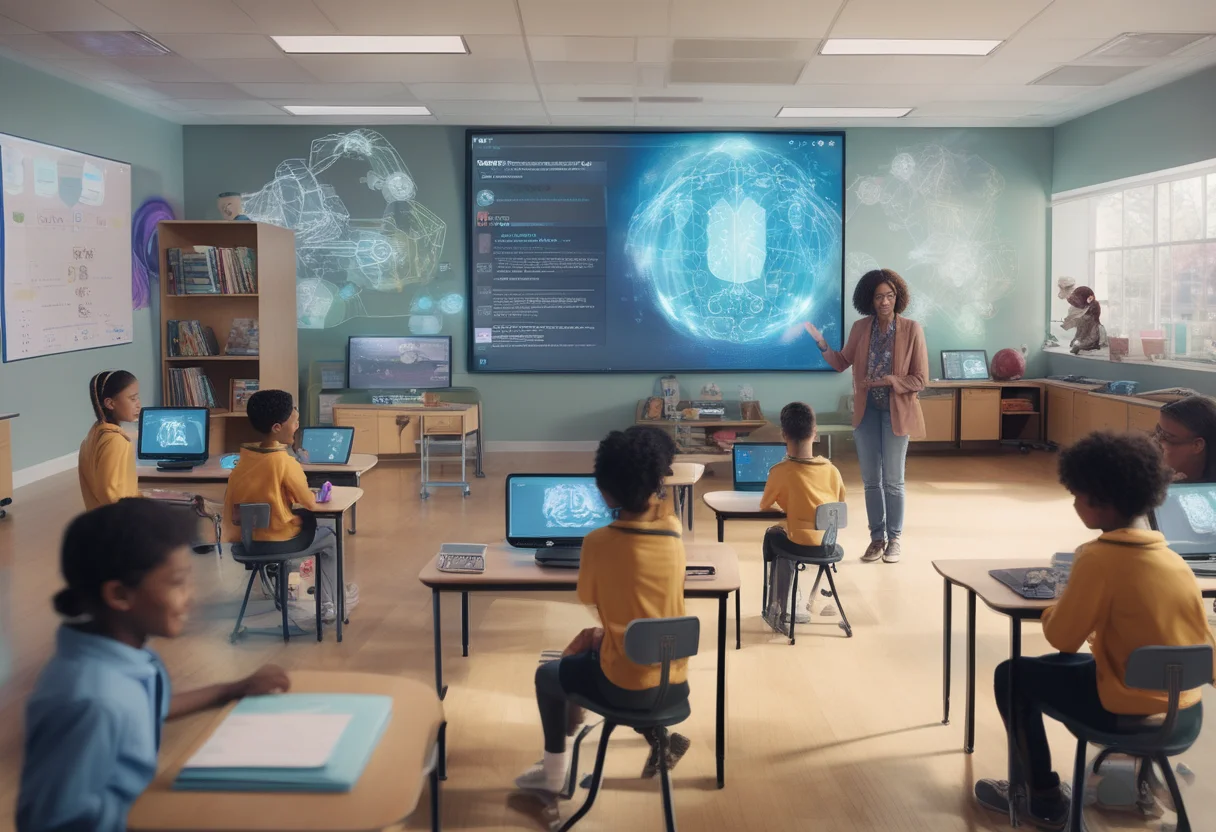
AI-driven adaptive learning systems offer significant advantages by customizing training to suit each employee's needs. This approach not only enhances skill development but also reduces time spent on irrelevant content. These systems support continuous upskilling, crucial for keeping pace with the rapid changes in skills required due to AI and automation.
AI assists in course design by generating ideas, drafting objectives, creating quizzes, and suggesting scenarios, thereby accelerating the process and enhancing content quality. Some learning platforms leverage AI to adjust training content based on employee performance and emerging skill requirements. This adaptability ensures that learners receive the most relevant training, improving learning outcomes and promoting an equitable learning environment.

Improving Student Engagement with AI-Curated Skills
AI enhances student engagement and motivation by customizing learning experiences to align with individual preferences and career goals. This personalization ensures that learners remain captivated with content that is both relevant and meaningful. AI manages information flow, reducing overload and ensuring timely updates, which keeps learners motivated and interested.
By recommending additional resources and dynamically adjusting difficulty levels, AI maintains an optimal challenge level, making progress feel attainable. For instance, Microsoft's AI-powered Teams uses algorithms to suggest content based on user interactions, enhancing engagement by focusing on pertinent communications and materials. Additionally, AI-powered VR and AR platforms create immersive learning environments for practicing complex or soft skills, making learning more relatable and engaging. This approach fosters intrinsic motivation, encouraging a more committed approach to education.
For further insights, explore these resources: