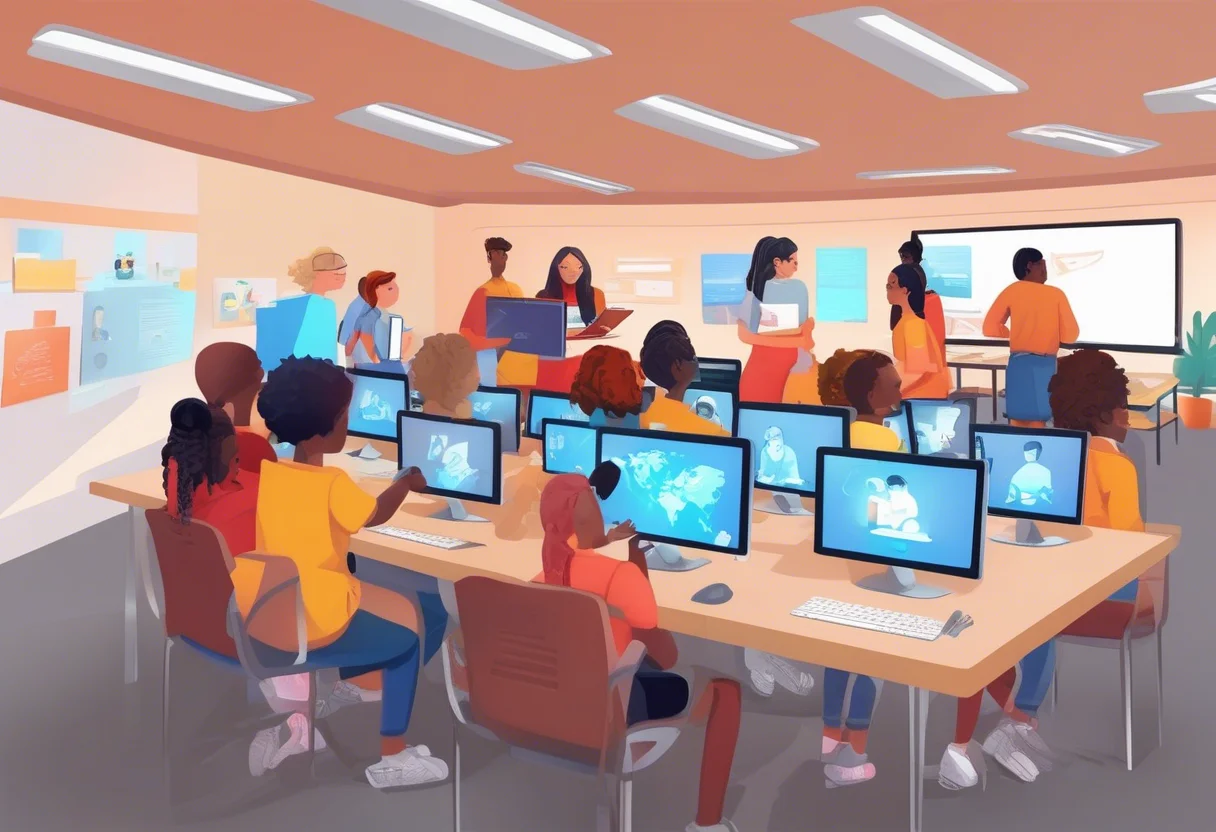
Imagine if every student got an education just right for them—fitting their needs, pace, and interests. Sounds like a dream, right? Well, with virtual classrooms on the rise, it’s not so far-fetched anymore. Recent studies say 73% of teachers think digital platforms can really boost personalized learning. But how do these virtual classrooms actually work, and what’s the role of technology and AI in this shift? In this article, we'll explore how virtual classrooms function, the key part personalized learning plays, and the challenges and ethical questions that come with it. We’ll also check out some innovative strategies and future trends that might change education as we know it. So, let’s dive in and see if virtual classrooms can truly make education personal for every student!
Summary: This article describes the role of personalized learning and technology in virtual classrooms, addressing challenges, ethical considerations, implementation strategies, and future trends. It provides insights into how AI and innovative technologies can enhance educational experiences in digital learning environments.
Understanding Virtual Classrooms
What are Virtual Classrooms?
A virtual classroom is an online learning environment that enables teachers and students to connect live, regardless of their physical locations. It replicates the experience of a traditional classroom by allowing real-time interaction through video calls and chat.
In a virtual classroom, you have access to several tools that enhance the learning experience, such as:
- Screen-sharing
- Virtual whiteboards
- Slides
- Multimedia
- Simulations
Unlike courses that rely on pre-recorded videos, virtual classrooms emphasize real-time presence and collaboration. Platforms like Zoom, Microsoft Teams, and Google Classroom are popular for these sessions, offering a comprehensive suite of tools to facilitate teaching and learning.
Evolution of Virtual Classrooms
Virtual classrooms have evolved significantly over time. Initially, they began as simple online courses, often constrained by technological limitations that necessitated the use of pre-recorded content. However, with advancements in video conferencing and digital tools, these classrooms have shifted towards live interaction, closely mirroring the dynamics of physical classrooms.
The online learning market is experiencing rapid growth, valued at $100 billion in 2022 and projected to reach $686.9 billion by 2030. This expansion is breaking down traditional barriers such as cost, time, and distance, thereby making education more accessible.
The COVID-19 pandemic accelerated the adoption of virtual classrooms, highlighting their critical role in maintaining educational continuity and driving further innovation in the field.
The Role of Personalized Learning in Virtual Classrooms
Defining Personalized Learning in Virtual Classrooms
Personalized learning places students at the center of the educational experience. This approach customizes content and pacing to align with each student's unique needs and preferences, fostering greater engagement and improved learning outcomes. In online classes, AI-driven platforms play a crucial role. These platforms monitor student performance and adjust lessons in real-time to cater to individual strengths and weaknesses.
AI platforms function similarly to human tutors by analyzing student performance, identifying areas of difficulty, and providing tailored explanations. By processing extensive data on student learning patterns, educators can refine their lessons with greater precision.
For instance, AI-powered platforms in online classes track student progress and make real-time adjustments, such as modifying exercise difficulty or offering personalized feedback, thereby enhancing each student's learning experience.
Key Benefits of Personalized Learning in Virtual Classrooms
Boosting Student Engagement in Virtual Classrooms
Personalized learning through AI fosters higher student engagement by offering tailored recommendations, flexible groupings, and interactive lessons. In virtual classrooms, these platforms can identify students struggling with specific topics and provide customized exercises and tutoring while grouping students by skill level for collaborative projects.
Achieving Better Learning Outcomes in Virtual Classrooms
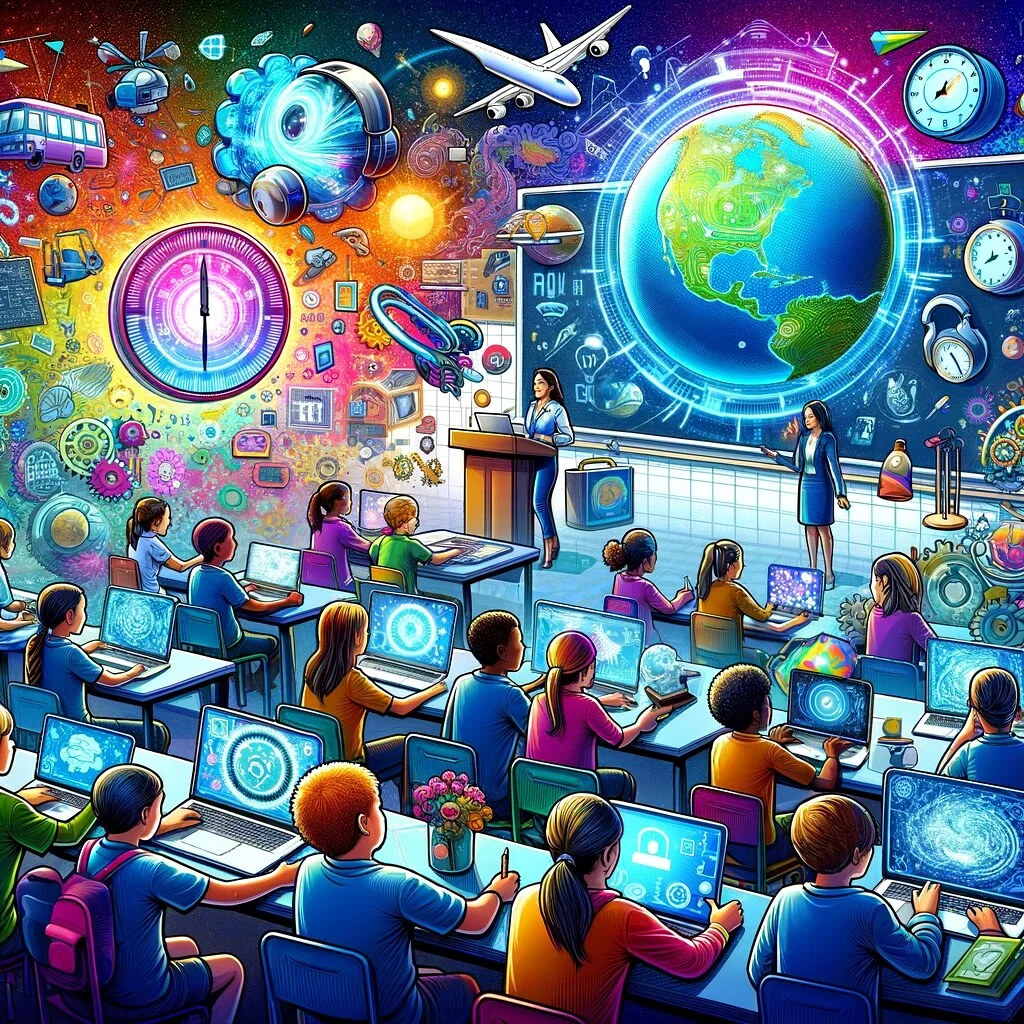
Personalized learning ignites curiosity and maintains student interest, enhancing both short-term and long-term educational achievements. By aligning content with student interests and strengths, studies have shown that personalized learning can result in an average gain of three percentile points in math, with even more significant improvements over two years.
Enhancing Teacher Efficiency with AI in Virtual Classrooms
AI tools streamline tasks such as grading and feedback, allowing teachers to focus more on individual student support. This enables educators to dedicate more time to personalizing lessons and guiding students along their unique learning journeys.
Promoting Flexibility and Accessibility in Virtual Classrooms
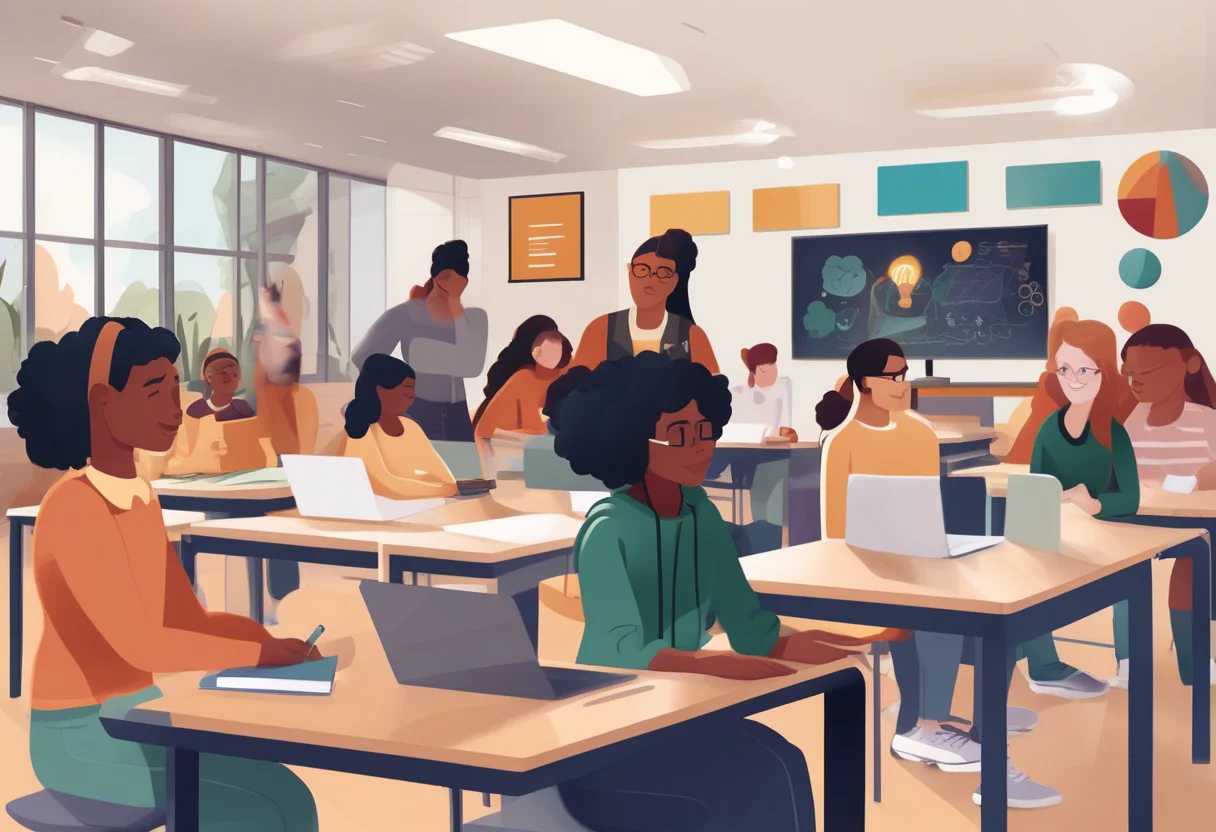
Personalized learning in virtual classrooms enhances educational accessibility. It provides tailored instruction for diverse learners, including those with disabilities or English language learners. Students can access materials at any time and place, ensuring education is inclusive and meets the needs of a diverse student body.
This version uses headings, bold text, and structured paragraphs to enhance readability and maintain a professional tone suitable for a technical blog.
Technology and AI in Virtual Classrooms
AI-Powered Personalization in Virtual Classrooms
AI tools are revolutionizing virtual classrooms by tailoring learning experiences to meet each student's unique needs. Platforms like Squirrel AI and Microsoft's Reading Coach provide teachers with insights into students' strengths, weaknesses, and learning styles. This enables educators to craft personalized learning plans that align with individual learning preferences.
With these AI-driven systems, no student is left behind. They ensure students remain engaged and motivated, enhancing their learning in virtual environments.
Innovative Technologies Enhancing Virtual Classrooms
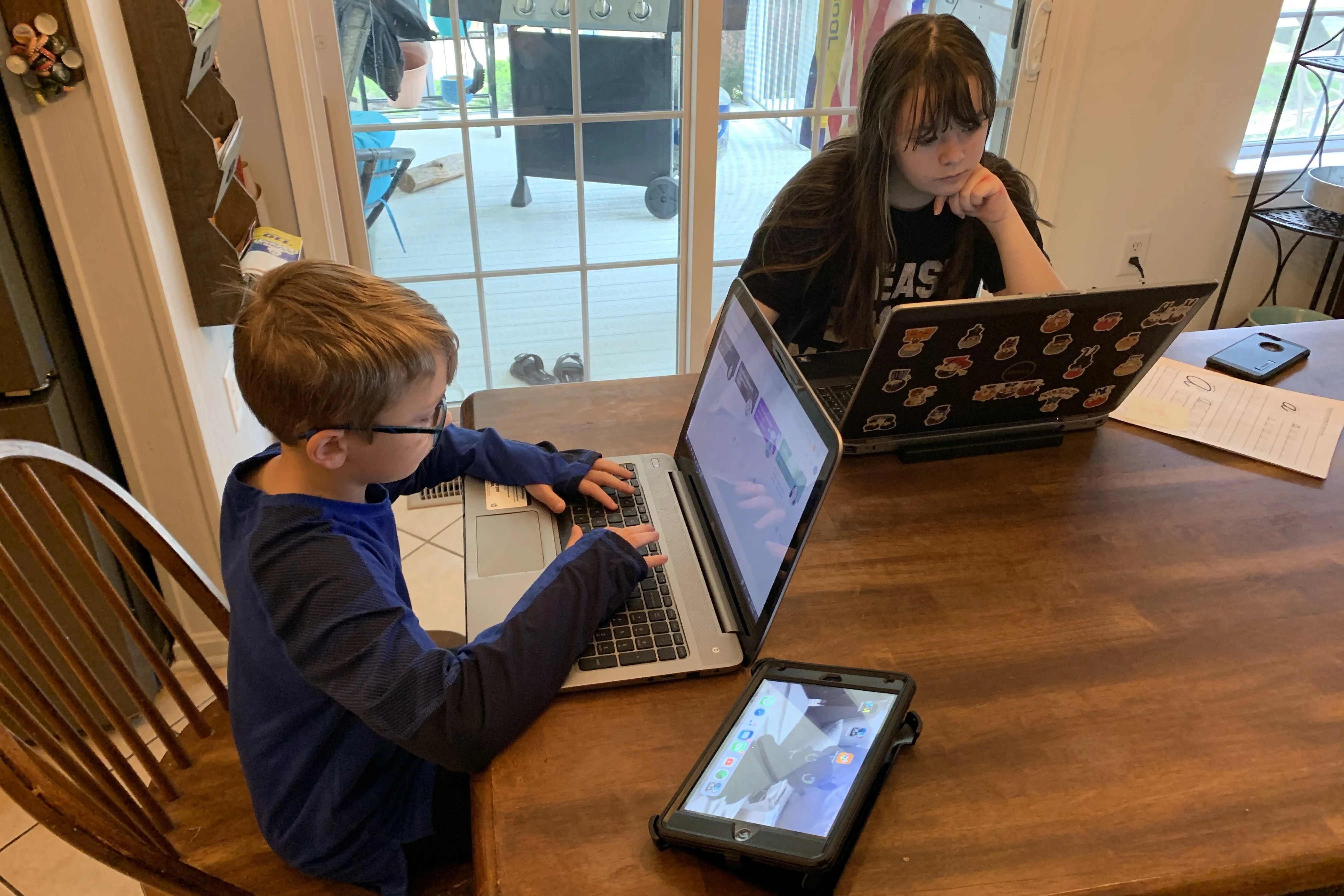
Virtual classrooms extend beyond AI, incorporating technologies like Virtual Reality (VR) and Augmented Reality (AR) to create immersive learning experiences. These technologies facilitate virtual field trips and interactive simulations, making learning both engaging and comprehensible. Students can explore historical sites or conduct science experiments without leaving their seats.
Moreover, gamification—through activities like scavenger hunts and quizzes—maintains student engagement.
Challenges and Ethical Considerations
Challenges of Virtual Classrooms in Education
Virtual classrooms in the U.S. encounter several hurdles, including maintaining student engagement, technical difficulties, and the absence of hands-on learning experiences. Engaging students online poses a challenge due to the limited use of body language and eye contact, often resulting in students zoning out or not participating effectively (Digital Samba).

Additionally, technical problems such as slow internet, outdated devices, and software bugs disrupt the learning experience, leading to inequities among students (Digital Samba). Online classes also struggle to provide the same level of hands-on practice, particularly in fields like science and healthcare, where virtual labs cannot fully replicate real-world experiments (21K School).
Moreover, digital equity remains a significant concern. Variations in internet access, availability of devices, and home learning environments contribute to unequal opportunities for students (Jumbula).
Ethical Considerations in Virtual Classrooms
Ethical issues in virtual classrooms arise from technological, social, and pedagogical perspectives. Digital platforms can exacerbate inequalities, especially for students from low-income or rural areas who may lack the necessary technology (Jumbula).
Excessive screen time can negatively impact students' fine motor skills and engagement compared to traditional methods (Brookings).
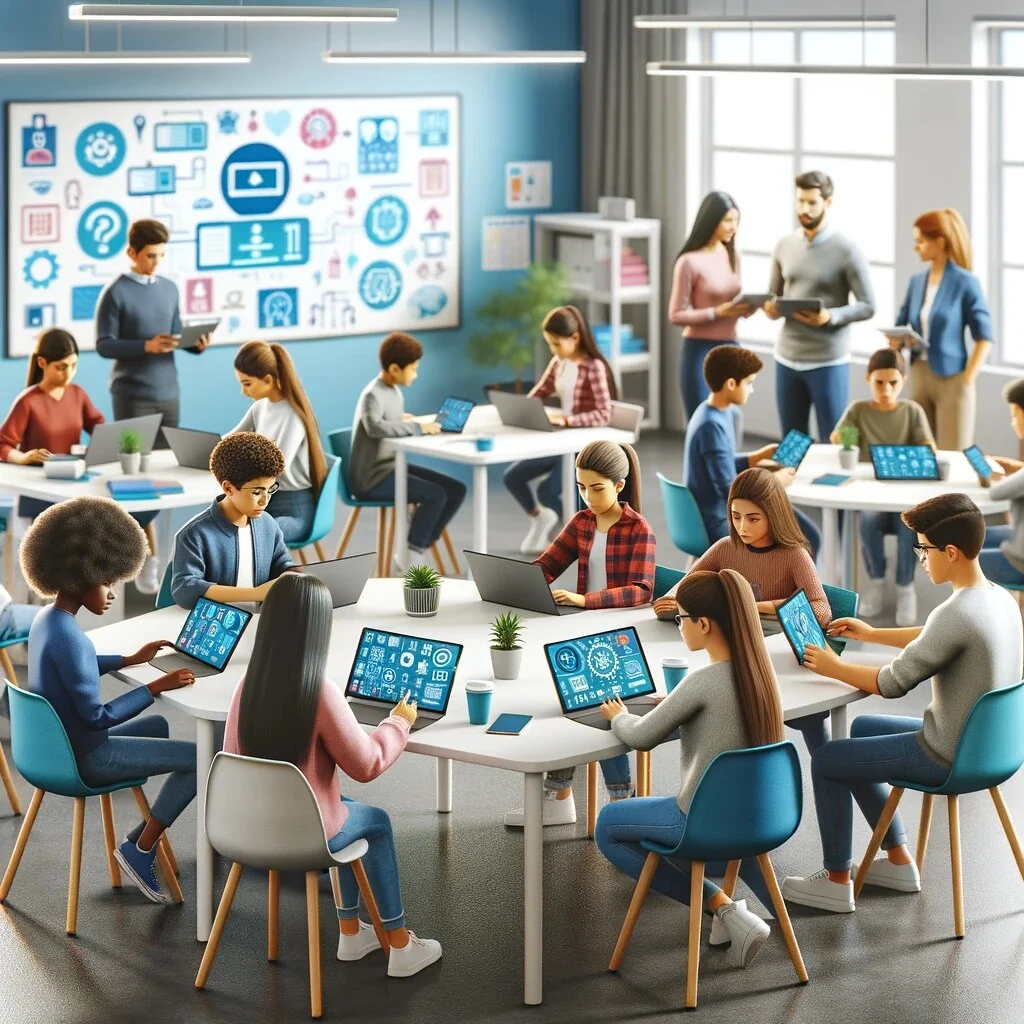
Striking a balance between technology use and maintaining a sense of community and human connection is crucial, as virtual settings can lead to feelings of disconnection among students, parents, and teachers (Brookings).
Furthermore, the increased reliance on virtual teachers due to teacher shortages raises concerns about ensuring equitable quality of education for all students (ASU Prep Global).
Effective Strategies for Personalized Learning in Virtual Classrooms
Crafting Personalized Learning Plans in Virtual Classrooms
In virtual classrooms, personalized learning plans are essential for addressing the unique needs of each student. A significant component of this approach is adaptive learning technology, which utilizes algorithms to dynamically adjust content and assessments. This provides instant feedback and resources tailored to each student's performance, making learning more individualized.
Differentiated instruction complements this by varying teaching styles and materials to cater to diverse learning preferences, such as:
- Visual
- Auditory
- Hands-on activities
Project-based learning plays a crucial role by engaging students in real-world projects that enhance critical thinking, problem-solving, and teamwork skills. This approach not only increases motivation but also deepens understanding.
Competency-based education allows students to progress by mastering skills rather than just spending time in class, enabling them to learn at their own pace. This is supported by flexible pacing resources like videos and online activities, allowing students to learn at their speed.
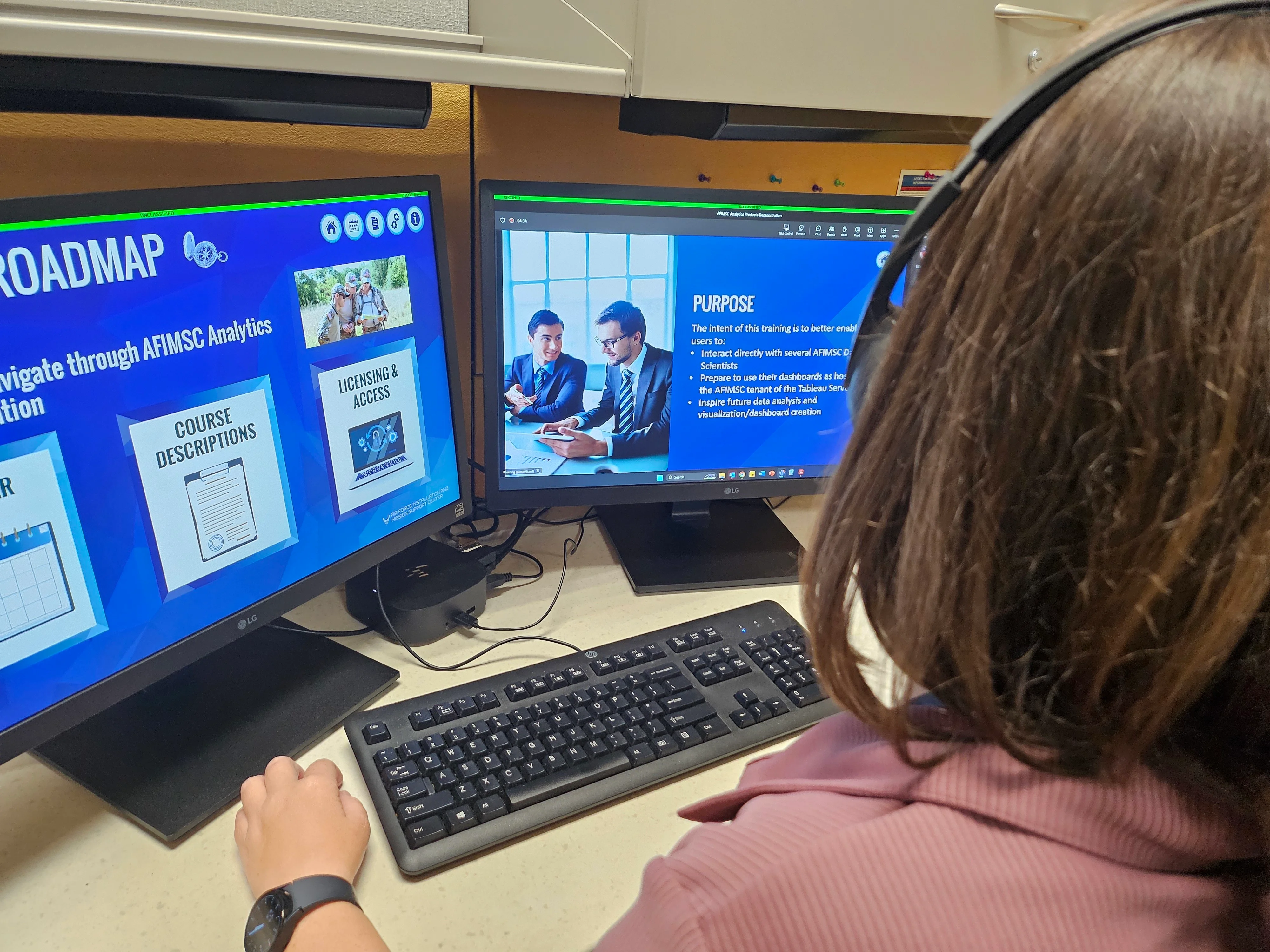
Utilizing learning management systems (LMS) is vital for learning anytime, anywhere. These systems facilitate teachers in assigning tasks, assessing, and collaborating with students regardless of location, supporting the virtual classroom environment.
Student choice is promoted through:
- Learning centers
- Flipped classrooms
- Playlists
These options allow students to select resources and plan their learning journey. Performance-based assessments enable students to demonstrate their knowledge in various ways, offering multiple paths to success.
Comparing Learning Models in Virtual Classrooms
When comparing learning models in virtual classrooms, personalized learning stands out due to its use of adaptive technology, flexible pacing, and increased student autonomy. This marks a significant departure from traditional one-size-fits-all models.
Competency-based learning emphasizes skill mastery over time spent in class, while project-based learning engages students with real-world tasks. Performance-based assessments provide diverse methods for students to showcase their knowledge, unlike standard tests.
The integration of AI and virtual classrooms facilitates personalized feedback and learning anytime, anywhere, which is less common in traditional settings.
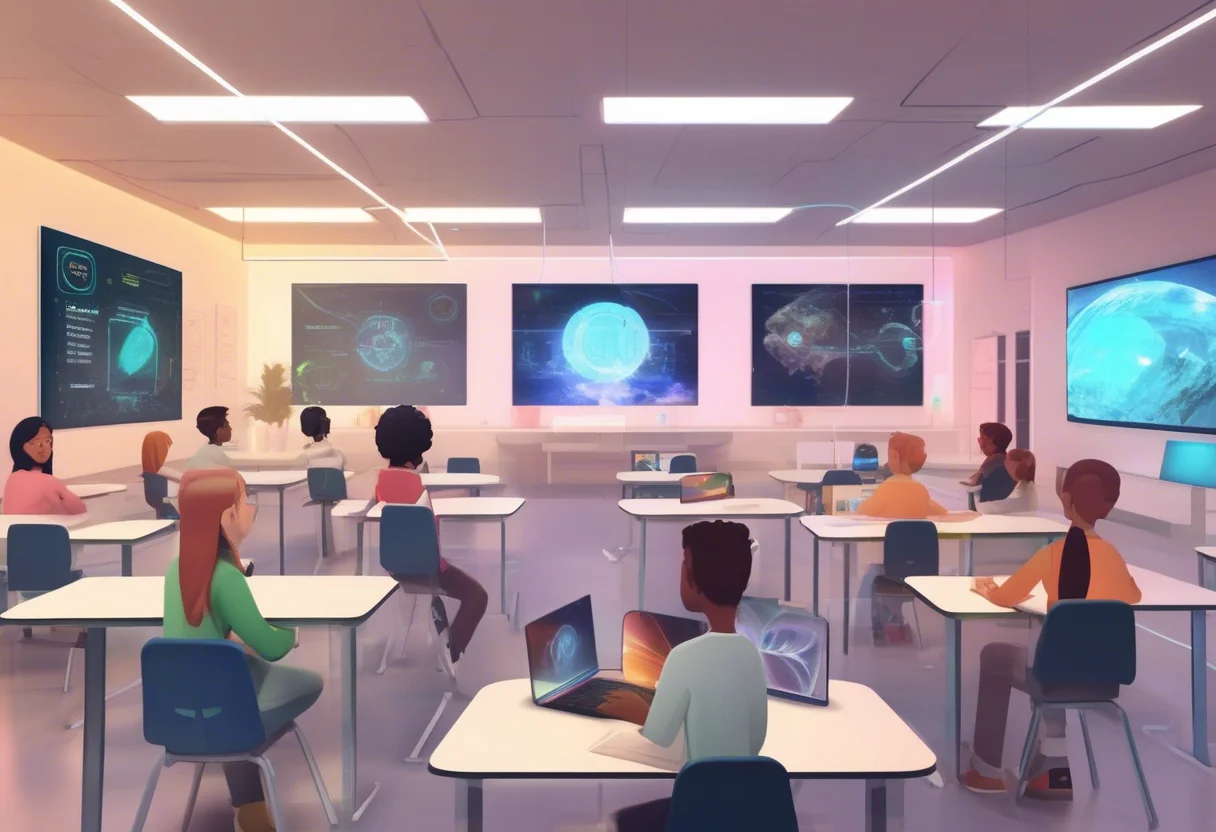
Schools that adopt personalized learning often experience notable improvements, such as:
- 30% higher test scores
- Improved attendance
- Reduced dropout rates
This model transforms the teacher's role from a lecturer to a guide and coach, fostering student collaboration and feedback. By leveraging the right mix of tools and strategies, educators can craft a virtual classroom environment that supports personalized and effective learning experiences.
Future Trends and Innovations in Virtual Classrooms
Personalized Learning Technologies in Virtual Classrooms
Highlight Section:
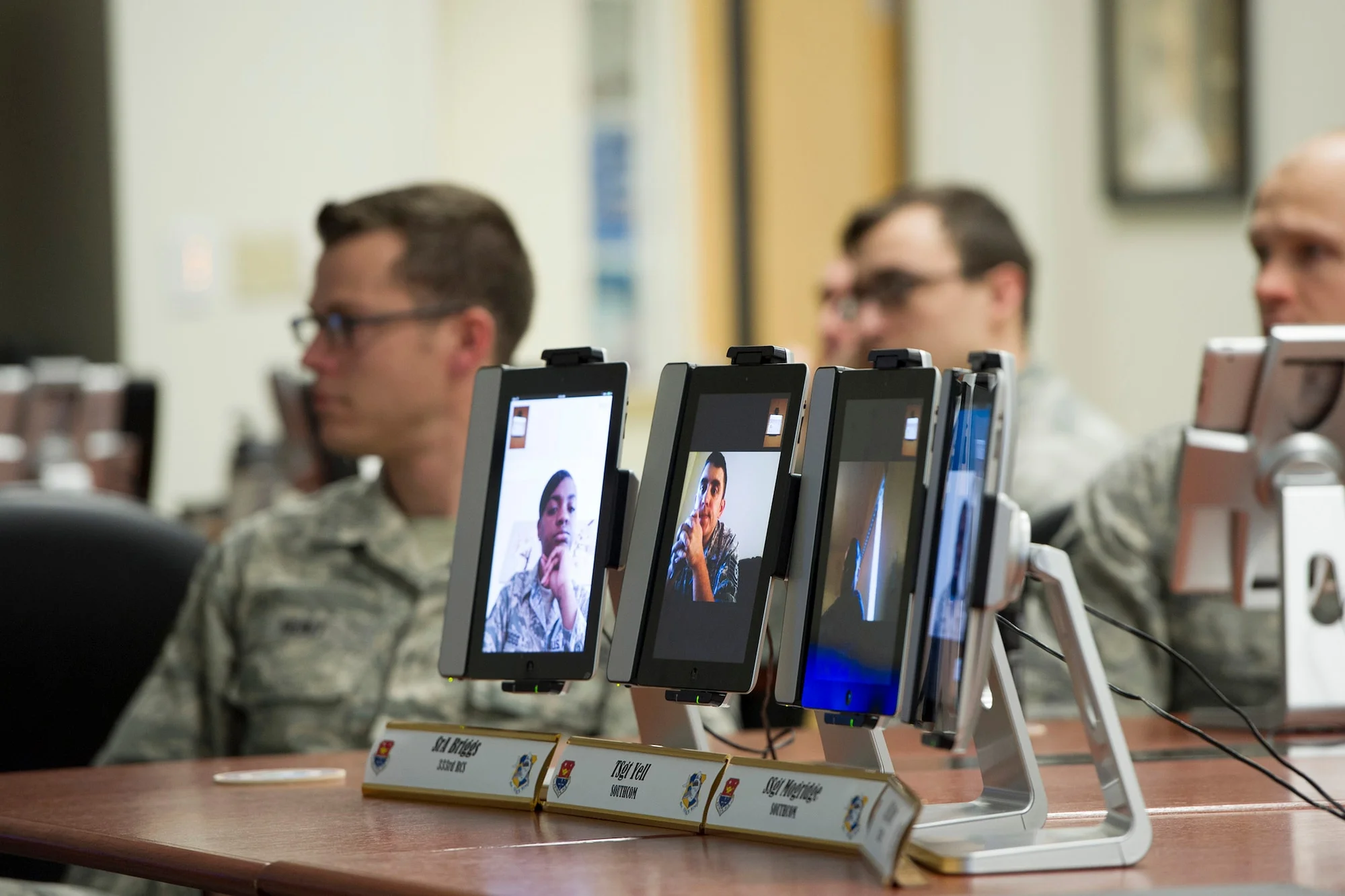
One of the most significant advancements is the use of AI-driven analytics to tailor educational experiences. These technologies can assess a student's strengths and weaknesses in real-time, allowing for a more customized learning path. For instance, if a student struggles with a particular math concept, the system can provide additional resources or exercises to help them improve. This personalized approach not only enhances understanding but also keeps students engaged by addressing their individual needs.
Next Section:
The integration of virtual reality (VR) and augmented reality (AR) in classrooms further enriches the learning experience. By immersing students in a virtual environment, these technologies can make complex subjects more tangible and easier to understand.
FAQs
How Does AI Reduce Social Pressures in Virtual Classrooms?
AI in virtual classrooms eases social pressures by making learning more interactive and comfortable. With features like audio, chat, and annotation, students can join in however they feel best. This flexibility allows them to engage without the need to conform to traditional participation methods.
For instance, AI might use chatbots or virtual assistants to answer questions privately. This way, shy students can ask questions without the anxiety of speaking up in front of everyone.
Additionally, AI tools offer real-time interaction and quick feedback, helping students feel connected rather than isolated. This instant response builds a sense of community and support, alleviating the social stress often found in virtual learning environments.
By providing personalized communication and adaptive learning experiences, AI caters to diverse learner needs, allowing students to learn at their own pace and style without pressure to fit into a single mold.
Challenges of Implementing AI in Virtual Classrooms
Implementing AI in education presents several challenges, including technical issues, fair access, and privacy concerns.
-
Technical Barriers: The technology required to run AI systems can be a significant hurdle. Poor internet connections and specific hardware requirements can impede the use of AI in virtual classrooms, particularly in under-resourced areas.
-
Fair Access: Not all students possess the devices or internet speed necessary to fully benefit from AI-enhanced learning, creating a disparity in educational opportunities.
-
Teacher Preparedness: There is a need for educators who are well-versed in using AI tools in their teaching. Teachers must be prepared to operate in AI-supported settings and assist students with these tools.
-
Privacy and Data Security: Handling student data responsibly is critical to comply with regulations and prevent breaches, making privacy a major concern with AI systems.
AI Tools for Equitable Access in Virtual Classrooms
AI tools play a crucial role in ensuring equitable access to personalized learning by adapting to each student's needs. AI can analyze student performance and learning patterns to create customized learning paths tailored to various abilities and backgrounds, promoting inclusivity.
AI platforms provide flexible schedules and content in diverse formats such as video, text, and interactive simulations to accommodate different learning styles. This flexibility dismantles barriers related to time and learning preferences, enabling students to learn in the manner that suits them best.
Moreover, by automating administrative tasks, AI allows teachers to devote more time to students requiring additional support, fostering fairness in attention and resources.
To address connectivity issues, AI tools can function in low-bandwidth or offline modes, ensuring continuous learning for students with limited internet access. This adaptability guarantees that all students, regardless of technological constraints, can enjoy personalized learning experiences.