The way we learn new skills is changing fast. Custom e-learning solutions are stepping up, offering educational experiences that fit specific needs. Did you know companies using these solutions see a 50% boost in employee productivity? It's true! But what makes custom e-learning so effective, and what bumps might you hit along the way? In this article, we'll look at the benefits of tailoring your e-learning platforms, consider the challenges you might face, and share some practical tips to tackle them. Whether you're an educator, a corporate trainer, or just love learning, getting a handle on these ideas can change how you approach education and training. So, let's see how custom e-learning can reshape how we learn and teach!
Summary: This article discusses the advantages, challenges, and best practices of implementing custom e-learning solutions, along with comparisons and real-world examples. It also includes a FAQ section to address common queries related to custom e-learning solutions.
Understanding Custom E-Learning Solutions
What is Custom E-Learning?
Custom eLearning, or bespoke eLearning, is all about creating digital training materials that fit an organization's unique needs. Instead of using generic courses, custom eLearning focuses on specific goals, industry requirements, and the culture of the organization. This way, the content is more relevant and useful.
Custom eLearning can cover:
- Company-specific processes
- Essential industry skills
- Particular challenges learners might face
Often, it includes company branding and real-life workplace examples to make the learning experience more relatable. With interactive features like games, videos, and simulations, it becomes engaging and immersive. Plus, custom eLearning is flexible—it can be updated and expanded to keep up with changes in the organization, new technologies, or regulations, ensuring its effectiveness over time.
Why Custom E-Learning Matters in Modern Education
Custom eLearning fills the gaps left by generic training by offering personalized learning that matches an organization's culture and goals. This leads to better engagement and knowledge retention. By using real-world scenarios and interactive content that mirror actual job roles, training becomes more meaningful and enjoyable.
Key benefits of custom eLearning include:
- Tracking progress through assessments and analytics
- Supporting flexible learning environments
- Accommodating different schedules, learning speeds, and locations
This approach empowers employees to manage their development. While it might cost more upfront, it saves money in the long run by reducing the need for frequent updates and extra training, ultimately boosting return on investment with targeted results.
For more insights, check out these resources:
- Custom eLearning development
- Developing custom eLearning solutions
- Custom eLearning benefits
- Custom eLearning for EdTech
- Unlocking custom eLearning benefits
Key Benefits of Custom E-Learning Solutions
Personalized Custom E-Learning Content
Custom e-learning enables organizations to craft content that aligns with their specific needs, such as unique company processes and key industry skills. This approach ensures that learning material remains relevant and useful. By personalizing the learning experience, learners can connect more deeply with the content, which boosts engagement and retention by reflecting a company's culture, values, and goals.
Custom e-learning can focus on specific subjects, learning goals, and teaching styles, improving knowledge retention and learning outcomes by catering to different learner preferences and motivations. Additionally, compliance rules can be integrated into realistic scenarios, making them more memorable and practical than mere memorization. For example, when a company creates onboarding courses that reflect its culture and values, new hires feel more at home and acclimate faster.
Engaging and Interactive Custom E-Learning
Custom e-learning leverages interactive elements, real-world scenarios, and multimedia to cultivate engaging learning experiences. By incorporating activities, simulations, and gamification, it appeals to various learning styles, maintaining learner interest and enhancing retention. Personalized and relevant content results in better engagement and higher course completion rates compared to generic courses.
Moreover, custom e-learning provides data on employee progress, engagement, and skill development, aiding organizations in enhancing training effectiveness. For instance, including gamified quizzes and scenario-based challenges in a sales training course can significantly boost learner motivation and engagement.
Flexible and Accessible Custom E-Learning
Custom e-learning offers the flexibility to design courses that can be easily updated, expanded, or modified to remain relevant as organizational needs evolve. It supports different schedules and learning speeds, allowing employees to learn at their convenience, regardless of time zone or responsibilities. Custom courses can scale to accommodate growing teams, ensuring consistent training across departments and locations.
Additionally, courses can be localized and translated to meet the needs of diverse global workforces, enhancing accessibility and inclusivity. For example, a multinational company can update its compliance training annually to reflect regulatory changes and tailor content for each region.
Custom E-Learning for Organizational Alignment
Custom e-learning ensures that training content aligns with corporate goals and addresses specific skill gaps, enhancing employee performance and productivity. It allows organizations to focus on the application of new skills on the job, leading to meaningful and lasting behavior change. Custom training can include proprietary knowledge and internal best practices, providing organizations with a competitive edge through unique workforce development.
A consistent brand identity and voice are reinforced through custom e-learning, building trust with learners and enhancing the organization's reputation. For instance, a company can integrate its strategic objectives into leadership training programs, ensuring alignment between employee skills and business goals.
Custom e-learning solutions provide content tailored to an organization’s unique needs, enabling personalized learning paths that cater to diverse learner styles and speeds. This customization supports adaptive learning, self-paced modules, and differentiated content for various proficiency levels, boosting overall effectiveness and accessibility.
Challenges of Implementing Custom E-Learning Solutions
Complexity in Custom E-Learning Content Development
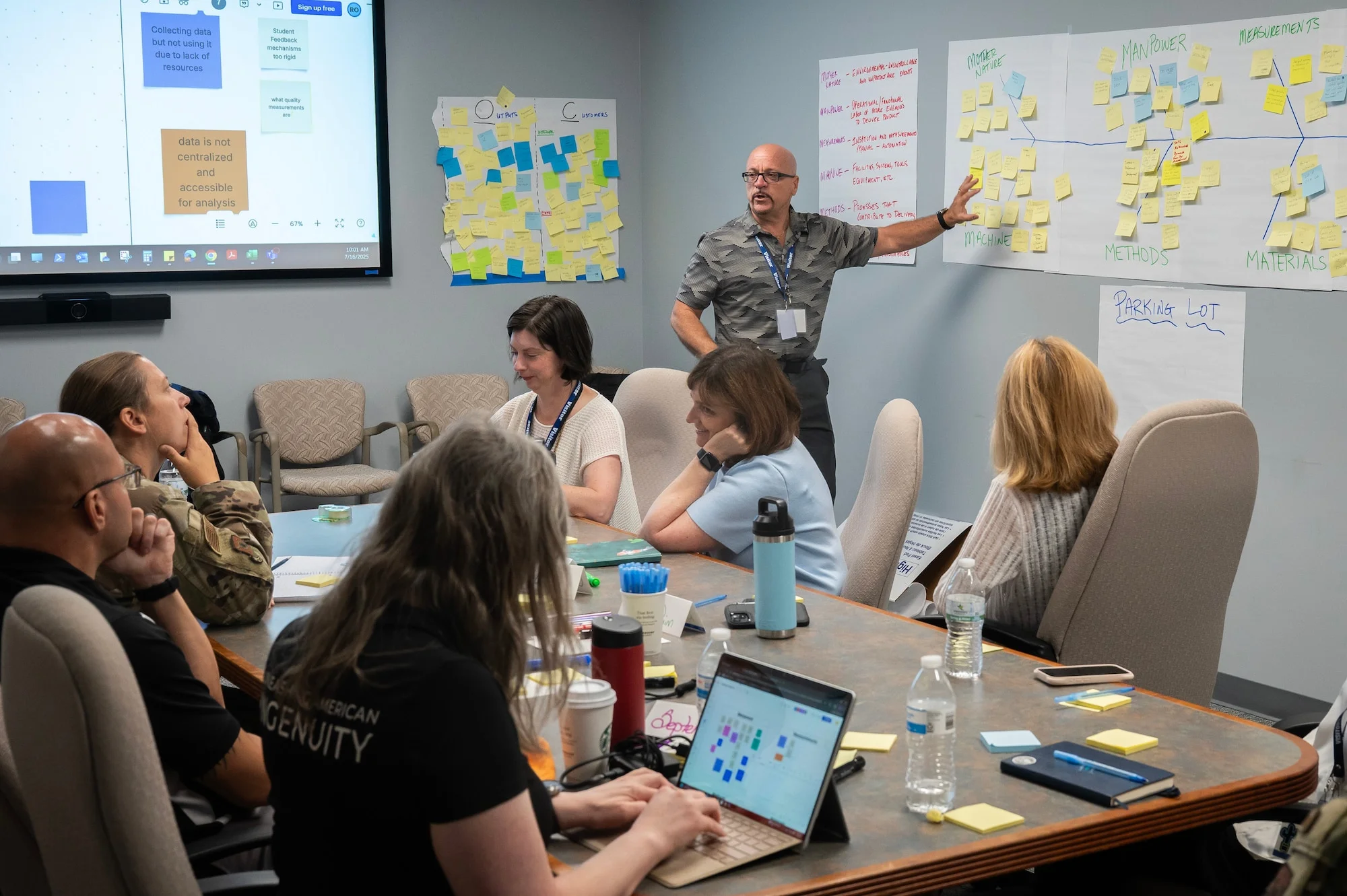
Creating custom e-learning content isn't a walk in the park. It requires significant collaboration with subject matter experts (SMEs) to ensure that the material is both accurate and engaging. Unlike off-the-shelf courses, custom content must cater to the diverse needs of learners and adhere to specific design principles. This involves balancing the limitations of digital tools while keeping the content fresh and captivating. Additionally, as technology and standards rapidly evolve, keeping content up-to-date is imperative. Courses need to be adaptable so they can be updated swiftly without a complete overhaul, making the entire process a delicate balancing act.
Cost Management and Resource Allocation for Custom E-Learning
Building custom e-learning solutions demands substantial resources. A significant portion of the budget is allocated to the creation, support, and updating of content. Investing in skilled developers, instructional designers, and robust technology is essential to maintain high-quality standards. For startups and organizations with limited budgets, this can be challenging. Many address this by breaking the project into smaller phases, starting with the essentials and expanding as more funds and feedback become available. This strategic approach helps manage costs while still delivering quality learning experiences.
Technology Integration and Scalability in Custom E-Learning
Custom e-learning platforms must accommodate a large number of users without compromising performance. This requires robust hardware and software infrastructure. Ensuring compatibility across various devices, browsers, and systems is challenging and necessitates rigorous testing and collaboration between development and support teams. Furthermore, with the rise of cyber threats, safeguarding educational data is critical. Organizations must implement strong security measures and comply with regulations. As companies grow, their training needs evolve, so the e-learning platform must be flexible enough to scale and adapt to new technologies.
Enhancing User Adoption and Engagement in Custom E-Learning
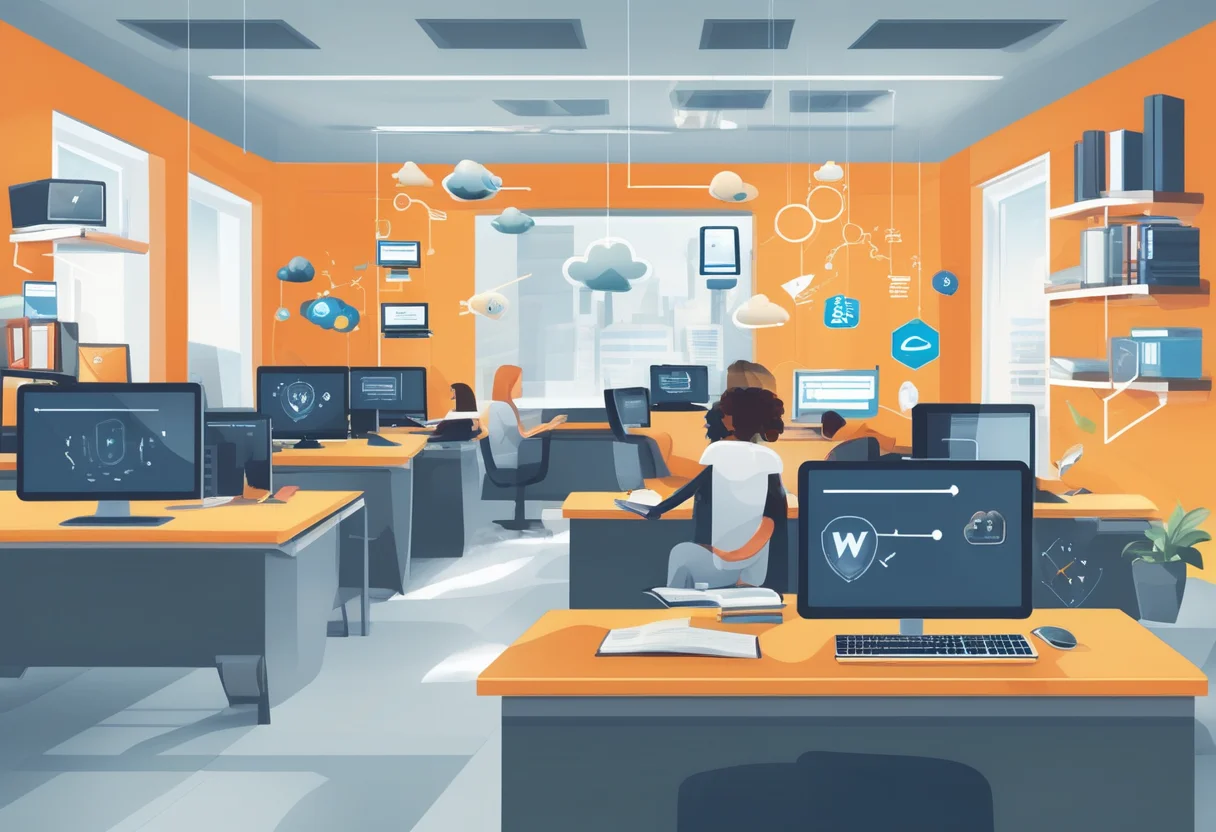
Engaging learners is a significant challenge in custom e-learning. Online students can often feel disconnected or disinterested. To address this, incorporating interactive elements such as simulations, real-world scenarios, and personalized learning paths is essential. Short, focused modules with progress tracking and rewards can motivate learners and encourage course completion. Additionally, if instructors struggle with technology, it can hinder student access and interaction, making training and technical support for tutors crucial. Low completion rates often stem from poor course design or technical issues, impacting the effectiveness of learning. By integrating gamification, interactive case studies, and training instructors on platform tools, organizations can enhance engagement and completion rates.
References:
- Custom eLearning Conquers Employee Training Challenges
- Developing Custom eLearning Solutions
- Building Scalable eLearning Solutions
Solutions and Best Practices for Overcoming Challenges
Collaborating with Subject Matter Experts for Custom E-Learning
When creating custom eLearning, teaming up with Subject Matter Experts (SMEs) is essential. SMEs ensure that the content is accurate, relevant, and aligns with the organization's goals. They bring in unique knowledge, trade secrets, and best practices, making the training tailored and beneficial for the company.
For instance, consider the sales department. When SMEs from this area get involved, they help craft training that mirrors real customer interactions and product details, enhancing its practical value.
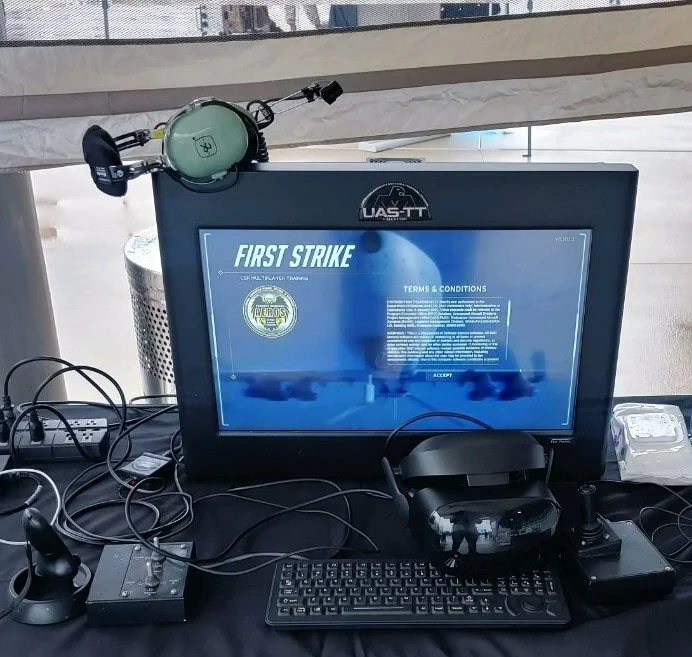
To maintain smooth communication, tools like Slack or Microsoft Teams are invaluable, while platforms such as Miro or Trello assist in organizing and tracking project steps. Setting clear roles and expectations from the outset is crucial to maintain a seamless process and avoid misunderstandings.
Leveraging New Technologies in Custom E-Learning
New technologies are revolutionizing custom eLearning. By integrating AI and data analytics, personalized learning experiences can be created that adapt to individual learning styles, keeping learners engaged and improving outcomes. AI has the capability to adjust training paths and provide support when instructors are unavailable.
Platforms like Coursera and LearnWorlds utilize AI to customize courses according to learners' needs. Additionally, employing cloud-based systems allows for scalability and resource adjustments without incurring large infrastructure costs.
An LMS that tracks progress and leverages AI to suggest next steps or additional support exemplifies effective use of new technology.
Designing Custom E-Learning for Growth and Adaptability
Designing custom eLearning to be scalable and flexible is vital for meeting diverse learner needs and supporting organizational growth. By adopting a modular design, which breaks content into smaller parts, learners can progress at their own pace, and updates can be made without overhauling the entire course.
Custom eLearning facilitates quick updates and regional customizations, ensuring relevance for global teams. Moreover, a user-friendly interface with easy navigation and mobile compatibility guarantees accessibility and a positive experience across all devices. Utilizing cloud-based solutions like AWS or Google Cloud provides a robust infrastructure, enabling the platform to accommodate more users without compromising performance.
Comparisons and Real-World Examples of Custom E-Learning
Custom E-Learning Solutions vs. Off-the-Shelf LMS Platforms
Custom e-learning solutions, like those from SC Training, emphasize a mobile-first approach, microlearning, and the use of AI to create courses. These platforms enable organizations to design unique, interactive training content by utilizing multimedia and gamification to maintain learner engagement.
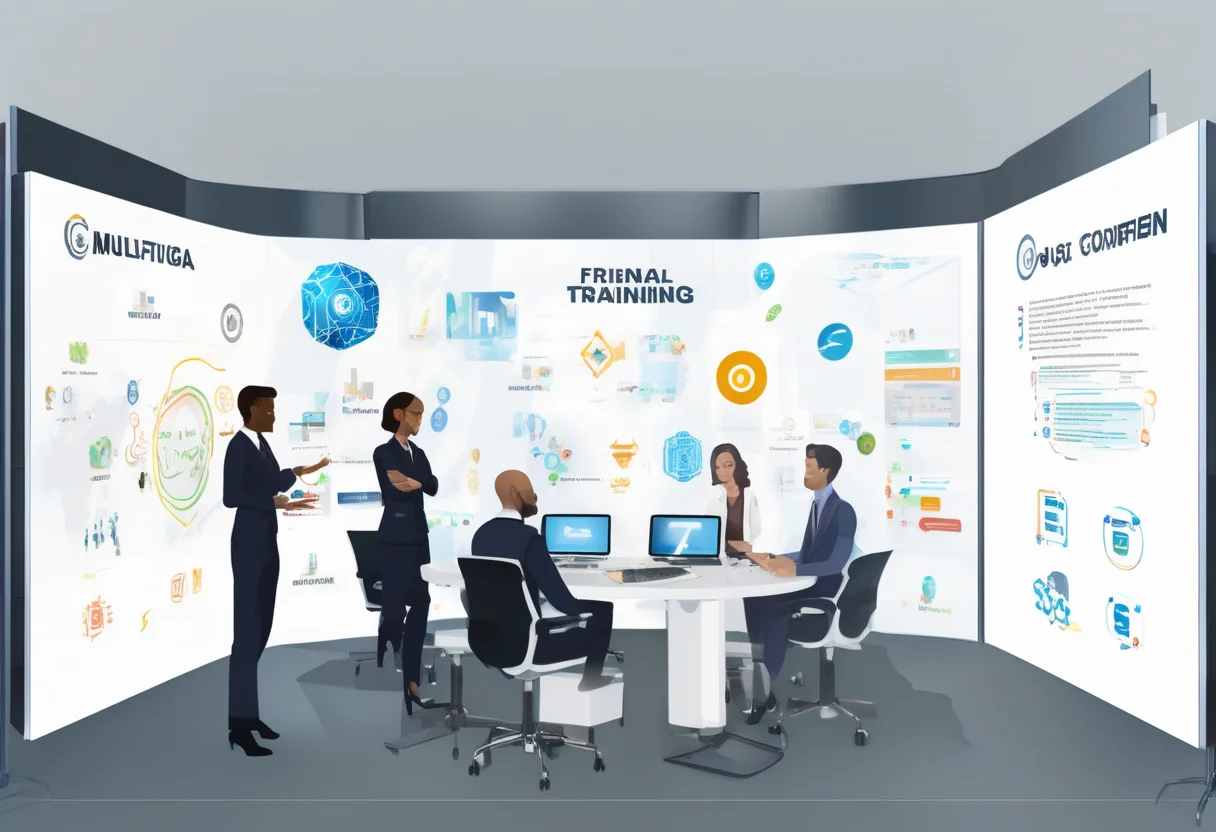
Key features of SC Training include:
- Multilingual content
- Quick setup
These make SC Training suitable for various organizational sizes and training needs.
In contrast, off-the-shelf LMS platforms such as Tovuti and Docebo offer a broad range of features, including:
- Course creation
- User management
- Gamification
- AI-driven personalization
Docebo is particularly notable for its ability to personalize learning with AI and support informal social learning through its Coach & Share module.
Case Studies and Success Stories in Custom E-Learning
Users of SC Training appreciate its engaging, gamified content and user-friendly interface. However, some new users may encounter challenges with learning the system and integrating it with other platforms.
Meanwhile, Thinkific users value the platform's simplicity and complete content ownership, which empowers educators to create and sell courses effectively. For example, an educational entrepreneur successfully launched several online courses on Thinkific, leveraging its marketing tools to reach a broad audience.
In another instance, a global company improved compliance training completion rates by utilizing Docebo’s AI-enhanced LMS features. These features simplify content discovery and deployment, enhancing learner engagement and driving better business results.
FAQ Section
How Do Custom E-Learning Solutions Enhance Employee Engagement?
Custom e-learning solutions can significantly enhance employee engagement by aligning content with an organization's specific goals and culture. This alignment makes training more relevant and interesting, aiding in retention and application of knowledge. Incorporating real-world scenarios and company branding further connects and engages learners.
Features such as games, simulations, and multimedia options cater to diverse learning styles, maintaining interest. Even simple Q&A models can effectively engage learners, sometimes outperforming complex activities. For instance, a company utilizing custom e-learning with gamified modules and industry-specific scenarios reported improved engagement and job performance compared to generic training.

Discover more about bespoke e-learning here.
What Challenges Arise When Integrating Custom E-Learning with Existing Systems?
Integrating custom e-learning into existing systems presents challenges, primarily in ensuring compatibility with current IT infrastructure. This process often involves comprehensive needs analysis, instructional design, and content creation, which can be more time-consuming than using off-the-shelf courses.
Aligning with an organization's processes, culture, and technology may require adjustments for scalability and compatibility. Maintaining consistent training quality across locations is crucial, and custom e-learning facilitates this by offering standardized content. One organization experienced delays when integrating custom e-learning with their outdated LMS, necessitating additional investment in development to ensure a smooth user experience and effective data tracking.
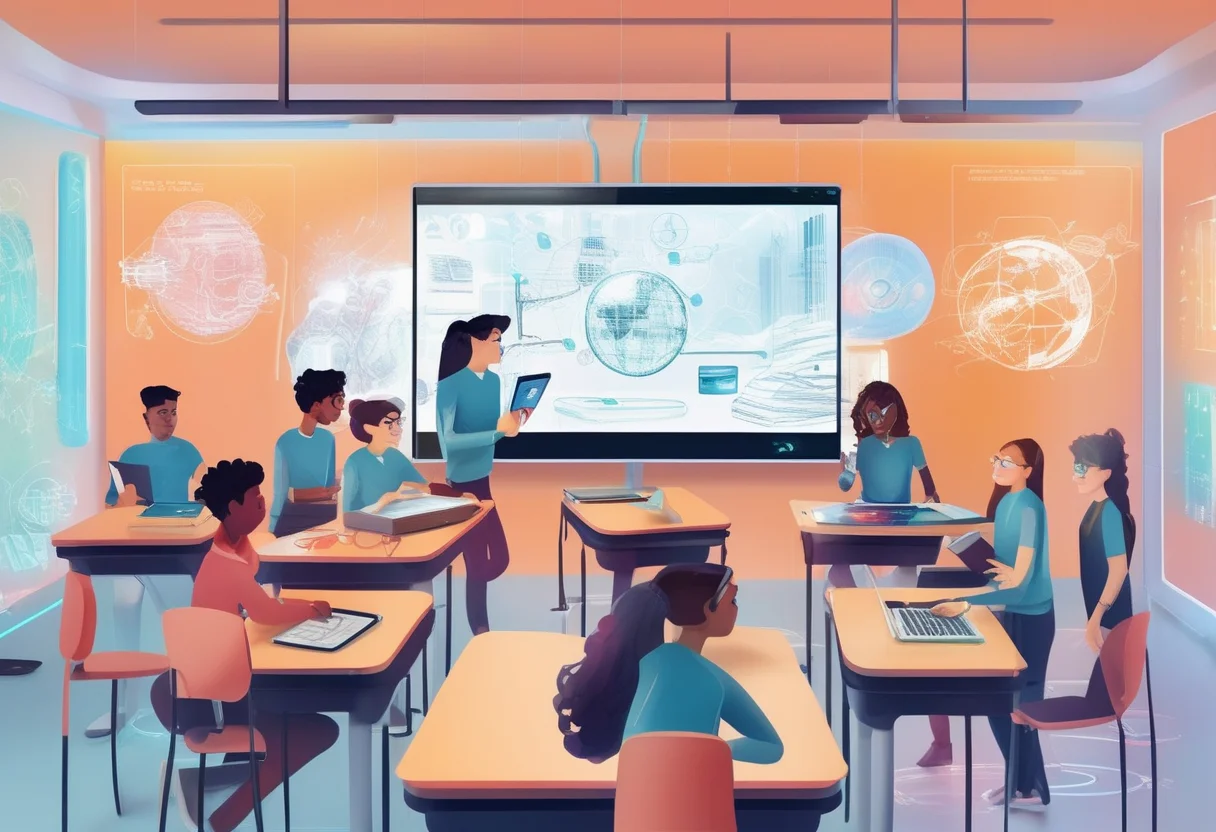
Learn more about custom e-learning development here.
How Does AI Enhance Custom E-Learning Solutions?
AI is a transformative force in custom e-learning solutions. It enables personalized learning paths, adaptive content delivery, and real-time feedback, all of which enhance engagement and effectiveness. AI adjusts content difficulty based on learner performance, ensuring an optimal balance of challenge and support.
A review of 69 studies on personalized learning revealed that 59% reported improved academic performance, underscoring the value of personalized custom e-learning. Additionally, 71% of teachers believe AI is crucial to student success, highlighting its growing importance in e-learning.
For further insights on the benefits of custom e-learning solutions, visit 10Pearls.