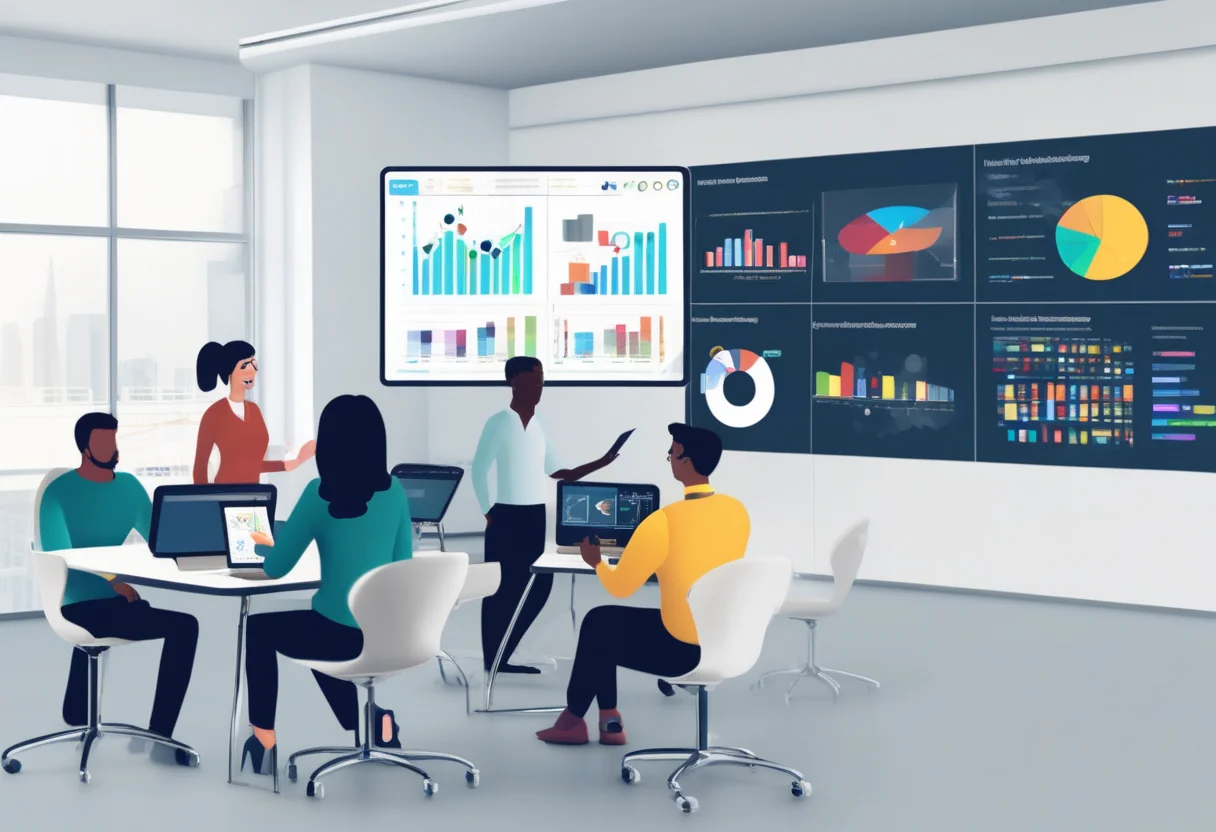
Automation in L&D isn't just a trendy term; it's changing how companies handle learning and development. Around 72% of businesses think it's key to staying ahead in today's fast-moving world. Let's look at how automation is evolving in L&D. Personalization and customization are now standard, making things more efficient and cutting down on admin work. Data-driven insights and predictive analytics are also shaking up how decisions are made. But it's not just about machines taking over. It's about humans and AI working together to create better learning experiences. So, what's next for L&D with automation in the mix? Let's explore how automation is reshaping learning and development!
Summary: Dieser Artikel beschreibt die Entwicklung der Automatisierung im Bereich Lernen und Entwicklung (L&D) und untersucht die Rolle von Personalisierung, Effizienzsteigerung, datengesteuerten Einblicken und der Zusammenarbeit zwischen Mensch und KI. Er bietet auch einen Ausblick auf die zukünftige Transformation von L&D.
The Evolution of Automation in Learning and Development
Transitioning from Traditional to Automated Learning Methods
In the past, Learning and Development (L&D) relied heavily on scheduled training sessions, manuals, and static content. These methods often lacked personalization and immediacy, consuming significant resources and struggling to keep pace with the rapid changes in organizations.
Transitioning to digital platforms marked a significant advancement. However, these platforms still demanded considerable manual effort to personalize content, posing challenges for scalability.
Today, modern L&D leverages AI and automation to craft dynamic, personalized learning experiences. Content is delivered just in time and precisely where needed. Automation manages tedious tasks such as content layout and design, allowing instructional designers to concentrate on strategic storytelling.
Additionally, AI chatbots and virtual assistants enhance on-the-job learning by providing real-time feedback and guidance. Technologies like AR, VR, and XR transform learning from passive to interactive, enabling safe practice of complex skills.
Exploring AI and Automation in Learning and Development
AI plays a pivotal role in personalized learning by helping create tailored learning paths and offering real-time feedback through data analytics. Automation enhances efficiency by generating learning content and managing workflows, freeing up human designers to focus on crafting meaningful experiences.
By 2025, it is anticipated that over 70% of companies will utilize AI-powered tools for real-time data integration, facilitating smarter L&D decisions. AI platforms are essential for upskilling and reskilling, preparing employees for emerging job roles.
With data-driven insights and analytics from automation, organizations can evaluate the effectiveness of their programs and align them with business objectives. AI-driven automation customizes training modules, delivers them just-in-time, and tracks progress through analytics dashboards, ensuring continuous improvement.
The integration of AI and automation promises to make L&D initiatives more adaptable and effective than ever before.
Automation in L&D: Personalization and Customization in Learning
AI-Driven Personalized Learning Paths in L&D
AI is transforming Learning and Development (L&D) by crafting personalized learning paths tailored to individual needs. By analyzing performance, preferences, and goals, AI platforms such as Docebo create unique learning experiences for each user. These intelligent systems continuously learn from user interactions, adjusting content difficulty and sequence in real-time to match skill levels and challenges.

This adaptive approach allows learners to progress at their own pace, focusing on career-relevant skills, as explained by Absorb LMS. Furthermore, AI-powered platforms recommend courses based on past activities, skills, and interests, aligning learning with employee needs. This alignment enhances engagement and reduces turnover, as noted by iSeazy.
Adaptive Content Delivery with Automation
Adaptive learning systems dynamically adjust content difficulty and sequencing based on learner performance, fostering skill mastery as highlighted by Docebo. AI accommodates diverse learning styles by monitoring interactions and customizing content to match user preferences, as described by Absorb LMS.
With tools like LMS and AI, learners can study at their convenience, anytime and anywhere, as discussed by PowerSchool. Interactive platforms employing multimedia engage learners and enhance information retention. They also utilize performance-based assessments to promote deeper understanding, offering various ways to demonstrate knowledge, as explored by PowerSchool.
These adaptive systems enable educators to concentrate on meaningful interactions, ultimately improving educational outcomes.
Enhancing Efficiency and Reducing Administrative Burden
Automation in L&D: Streamlining Administrative Tasks
Automation in learning and development (L&D) significantly reduces manual administrative work by managing routine tasks such as scheduling, enrollment, and notifications. It efficiently tracks learning requests and budgets, making operations more streamlined and minimizing errors. This enhancement of efficiency is crucial.
In the educational sector, automating workflows saves time and boosts productivity by handling record-keeping, data entry, report generation, and grading. This allows educators to devote more time to teaching and engaging with students. Automated training systems enable employees to learn at their own pace, eliminating the need for after-hours sessions and minimizing disruptions to business operations.
Automation optimizes processes like data processing, scheduling, and report generation, reducing manual labor and accelerating workflows with fewer delays. Additionally, it enhances the accuracy and consistency of routine tasks, significantly reducing human errors and costly mistakes, particularly in data entry and compliance reporting.
Automation's Impact on HR and Creative Processes
By automating repetitive administrative tasks, HR and L&D teams are liberated to concentrate on strategic initiatives such as talent development and cultural enhancement. Automation of routine workflows allows educators and trainers to explore creative teaching methods and engage with learners on a personal level.
Automated onboarding enhances the new hire experience, enabling HR to deliver consistent and timely training without additional manual effort. Automation also scales efficiently, allowing organizations to expand their learning programs without increasing staff, thereby supporting broader creative and strategic HR endeavors.

With automation handling mundane tasks, employees and HR professionals can dedicate more time to innovation, problem-solving, and high-value activities that drive the organization forward. L&D teams can leverage automation to provide personalized learning paths and instant feedback, enhancing learner engagement and freeing staff to design creative development programs.
Data-Driven Insights and Predictive Analytics in Automation for L&D
Role of AI in Automated Data Collection and Analysis
AI is revolutionizing data collection and analysis within Learning and Development (L&D). It enables the prediction of learning gaps and anticipates employee performance. This AI-driven approach enhances workforce development by tailoring learning experiences to match each employee's skills.
- Automation and AI: Reduce administrative tasks, allowing HR and talent teams to focus on strategic planning and unlocking human potential.
In Quality Assurance (QA), AI facilitates data mining and analysis to predict risks and improve testing processes. This shifts QA from a reactive to a proactive stance. By leveraging historical data, predictive analytics in test automation identifies defects early, enhances test coverage, and targets critical areas, ultimately boosting user experience.
Predictive Analytics for Skill Gap Identification in L&D
Predictive analytics is crucial for identifying skill gaps within organizations. By analyzing data trends, AI-driven predictive analytics can forecast future skill requirements, enabling smarter workforce development planning.
- Predictive Learning Analytics: Models transform employee training by predicting performance and tailoring training to address skill gaps.
In QA and software testing, predictive analytics anticipates potential issues, allowing teams to concentrate on testing high-risk features and reducing costs. The process involves:
- Defining problems.
- Gathering and cleaning data.
- Building models with machine learning.
- Evaluating results.
Automation in L&D: Human-AI Collaboration
Integrating AI with Human Expertise in L&D
In Learning and Development (L&D), blending AI with human expertise is transforming the way we learn. AI excels at data analysis and provides personalized feedback, tailoring learning experiences to individual needs. However, human teachers contribute unique qualities such as emotional intelligence and mentorship, essential for student engagement and social-emotional growth.
In these hybrid environments:
- AI manages tasks like creating test questions and facilitating discussions.
- Teachers guide the learning journey, fostering creativity and skill development.
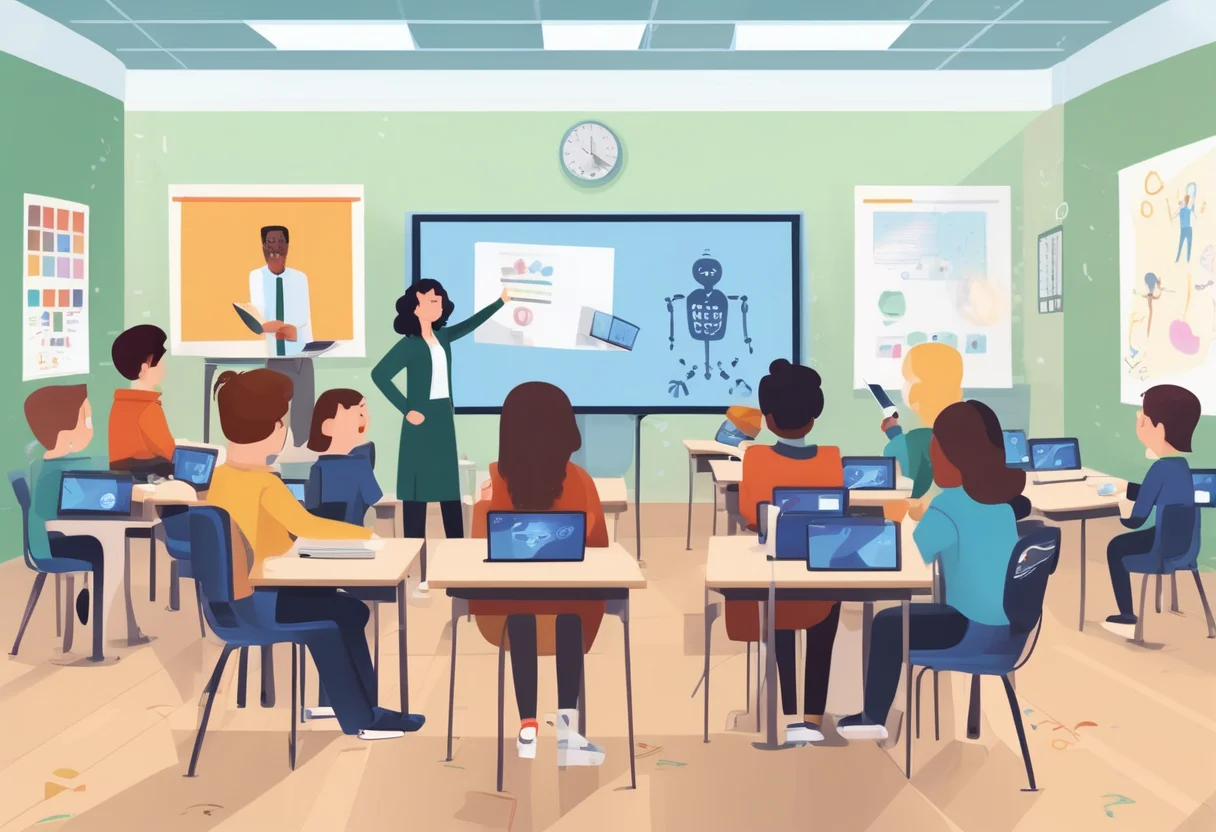
This collaboration results in a workforce that is more engaged, with skills developing four times faster and engagement increasing fivefold. Optimal outcomes are achieved when human expertise and AI's analytical capabilities are combined, particularly in delivering complex educational content.
Addressing Cultural and Ethical Aspects of Automation
As generative AI is rapidly adopted in L&D, it is crucial to integrate it carefully with human values to maintain fairness, inclusivity, and trust. Leaders should position AI as a creativity-enhancing tool, fostering a culture of continuous learning and adaptation to mitigate resistance.
Key ethical considerations include:
- Transparency in AI processes
- Bias prevention in AI-generated content
- Student privacy protection
Redefining processes to maximize both human and AI contributions is essential. This ensures collaboration respects human judgment and maintains cultural sensitivity and bias-free AI-generated materials. By promoting inclusivity and accelerating skill development, trust in AI-supported learning environments remains robust, ensuring equitable benefits for all participants.
Future Outlook: The Transformation of L&D
Key Trends in Automation for L&D
AI and machine learning are revolutionizing Learning and Development (L&D). These advanced tools facilitate:
- Personalized learning paths: Tailor learning experiences to individual needs.
- Predictive analytics: Identify skill gaps and enhance workforce planning.
Automation is streamlining administrative tasks, enabling HR and talent teams to focus more on people rather than paperwork. With AI, low-code and no-code platforms simplify the development and updating of training applications, reducing the need for extensive coding knowledge.
Hyperautomation—the combination of AI, machine learning, and robotic process automation (RPA)—is becoming increasingly significant for organizations. It enhances the speed and scalability of learning systems.
Additionally, AI-driven data automation is improving data quality in L&D systems by managing data intake, transformation, and management, resulting in more accurate learning analytics.
Automation Challenges and Opportunities in L&D
A primary challenge in integrating automation into L&D is maintaining high-quality and consistent data, which is essential for effective AI utilization and personalized learning. However, there is a substantial opportunity to leverage predictive analytics to forecast skill requirements and plan talent development, helping businesses stay competitive in rapidly evolving industries.
While automation can handle repetitive tasks, freeing up L&D professionals, it necessitates investment in new technologies and mastering AI tools. Striking a balance between automation and human-centered learning design is crucial to keep learners engaged and cater to their diverse needs, presenting both a challenge and an opportunity for innovation.

As AI and automation tools continue to evolve, it is vital to remain vigilant about ethics, data privacy, and transparency in L&D.
For more insights, visit EAW and WhereScape.
FAQ Section
How Does Automation in L&D Enhance Personalized Learning Experiences?
AI significantly enhances personalized learning by tailoring content to meet each learner's unique needs and career goals. Through smart algorithms, AI assesses individual preferences, progress, and objectives. This enables the creation of customized learning paths, resulting in increased engagement and relevance.
AI-powered adaptive learning systems adjust content difficulty and suggest additional resources based on learner performance, facilitating continuous skill development. By delivering content in formats and sequences that suit each individual, AI enhances knowledge retention.
Moreover, AI-driven digital assistants and avatars simulate real-life conversations and role-play scenarios, making learning more interactive. For example, an AI avatar might simulate a challenging performance conversation, allowing learners to practice and engage, thus enriching the personalized learning experience.
What Are the Main Challenges of Automation in L&D Integration?
Integrating AI into Learning and Development (L&D) presents several challenges. A primary hurdle is identifying organizational needs and managing the technological aspects. Successful AI integration requires effective change management to ensure everyone adapts to the transition.
Data privacy and security are also critical concerns, as AI processes substantial amounts of learning data. Companies must comply with privacy regulations and safeguard data.
AI-generated content often requires human oversight to ensure accuracy and quality, as some AI models may produce inaccurate information. Additionally, there may be resistance from employees concerned about job security or skeptical of AI methods. Clear communication and training can alleviate these concerns.
Technical and compliance issues may arise during training automation, necessitating expert guidance and a step-by-step approach.
How Does AI-Driven Predictive Analytics Transform Talent Management in L&D?
AI-driven predictive analytics is transformative in talent management. It processes vast amounts of employee performance and training data to identify skill gaps and forecast future learning needs. This enables organizations to design targeted development programs aligned with their objectives.
By anticipating employee progression and requirements, AI supports succession planning and talent retention. When integrated with HR and LMS systems, AI facilitates real-time tracking and proactive measures, enhancing employee development outcomes.
For instance, AI predictive analytics can detect emerging skill gaps early, allowing companies to implement specific training to prepare employees for future roles.
AI in Learning and Development | AI-Powered Digital Assistants | AI-Driven Predictive Analytics